Industrial Machinery Explained: Types, Components, Applications, Benefits and Operating Principles
Industrial machinery includes the machines, equipment, and mechanical systems used to manufacture products, process raw materials, move goods, and perform large-scale industrial tasks. Industrial machinery explained in simple terms covers its main types, components, applications, benefits, and operating principles. These machines are used in manufacturing plants, construction projects, food processing facilities, warehouses, power generation, and many other industries.
Context
Industrial machinery includes the machines, equipment, and mechanical systems used to manufacture products, process raw materials, move goods, and perform large-scale industrial tasks. Industrial machinery explained in simple terms covers its main types, components, applications, benefits, and operating principles. These machines are used in manufacturing plants, construction projects, food processing facilities, warehouses, power generation, and many other industries.
The development of industrial machinery is closely connected to the Industrial Revolution, when mechanical equipment began replacing many tasks previously performed by hand. Steam-powered engines, mechanical looms, and early machine tools helped expand production. Later developments in electric motors, hydraulic systems, electronics, and computer controls made industrial equipment more precise and adaptable.
Today, industrial machinery ranges from simple mechanical devices to automated production systems controlled by computers and sensors. Each machine is designed for particular tasks, operating conditions, material types, and production requirements.
Main Types of Industrial Machinery
Industrial machinery can be grouped according to its purpose and operating method. Common categories include:
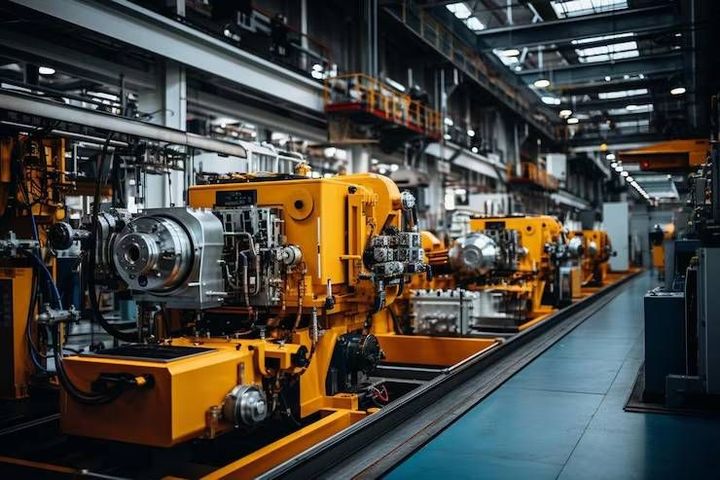
Manufacturing machinery: CNC machines, milling machines, lathes, presses, and cutting equipment used to shape materials or produce components.
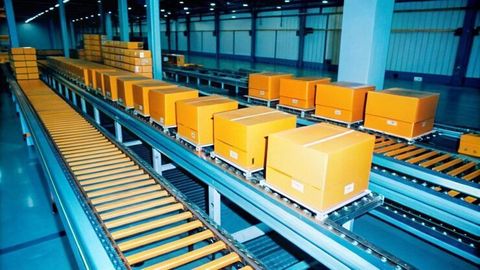
Material handling equipment: Forklifts, conveyors, cranes, hoists, and automated guided vehicles used to move materials.
Fluid handling machinery: Pumps, compressors, valves, and industrial fans used to move liquids and gases.
Construction machinery: Excavators, bulldozers, concrete mixers, and lifting equipment used in infrastructure and building projects.
Processing machinery: Mixing, drying, grinding, filling, and packaging machines used to transform raw materials.
Automation equipment: Industrial robots, programmable controllers, sensors, and integrated production systems used to control repetitive processes.
Different machines may perform several functions within the same production facility. Their selection depends on the materials involved, the required output, available space, and operating conditions.
Importance
Industrial machinery plays an important role in modern production because it allows organizations to perform repetitive, heavy, precise, or time-consuming tasks. It supports the production of everyday items such as vehicles, packaged foods, construction materials, electronic devices, textiles, and household appliances.
Machinery also affects product consistency, workplace organization, production schedules, and the use of raw materials. However, equipment requires suitable installation, trained operators, regular inspection, and appropriate maintenance. Poorly selected or incorrectly operated machinery can cause production delays, material waste, equipment damage, or workplace injuries.
Benefits and Practical Applications
Industrial machinery can provide several operational benefits when correctly selected and managed.
Production consistency: Machines can repeat programmed movements and processes within specified operating limits.
Higher processing capacity: Automated or powered equipment can handle quantities that would be difficult to manage manually.
Improved precision: CNC systems and measurement controls can help produce components with defined dimensions.
Reduced manual handling: Lifting equipment, conveyors, and robotic systems can reduce the need for workers to move heavy materials directly.
Process integration: Connected machines can coordinate activities across multiple production stages.
Resource management: Accurate controls can help reduce unnecessary material use, energy consumption, and production errors.
These benefits depend on machine design, operating conditions, maintenance, and the quality of process planning. Automation does not remove every operational risk, and human supervision remains important in many industrial environments.
Industrial Machinery by Application
| Industry | Common machinery | Main application |
|---|---|---|
| Automotive | CNC machines, robotic arms | Component manufacturing and assembly |
| Food processing | Mixers, filling machines | Preparation and packaging |
| Construction | Excavators, cranes | Excavation and material lifting |
| Metalworking | Press brakes, laser cutters | Forming and cutting metal |
| Water treatment | Pumps, filtration equipment | Water movement and treatment |
| Warehousing | Conveyors, forklifts | Material movement and storage |
| Energy | Compressors, turbines | Energy-related industrial processes |
The same equipment category may serve different purposes depending on its configuration. For example, a pump used in a water treatment plant may have different material requirements and operating specifications from one used to transfer industrial chemicals.
Recent Updates
Industrial machinery continues to develop through automation, digital monitoring, improved energy management, and integration with computer-based production systems. Across 2024–2026, industrial technology trends have included wider experimentation with artificial intelligence, connected sensors, robotics, digital twins, and predictive maintenance. Adoption varies according to industry, investment capacity, technical requirements, and the age of existing equipment.
Smart Manufacturing and Industrial Automation
Smart manufacturing connects machinery with sensors, control systems, and industrial software. Sensors can measure temperature, vibration, pressure, speed, or other operating conditions, while controllers use this information to regulate machine functions.
Industrial robots and collaborative robots are also used for tasks such as welding, packaging, inspection, material handling, and assembly. Collaborative robots are designed for certain applications involving closer interaction with people, but appropriate risk assessments and protective measures are still necessary.
Predictive Maintenance and Energy Efficiency
Traditional maintenance may follow fixed schedules or respond after a machine fails. Predictive maintenance uses operating data and analytical methods to identify patterns that may indicate developing equipment problems. It can help maintenance teams plan inspections, although its accuracy depends on data quality, machine conditions, and the analytical system used.
Energy efficiency is another area of development. Variable-frequency drives, improved electric motors, optimized control settings, and energy-monitoring systems can help industrial facilities manage electricity consumption. The results depend on the equipment, production process, installation, and operating practices.
Digital Twins and Connected Systems
A digital twin is a digital representation of a physical asset, process, or system. Depending on its design, it may use real operating data to support simulation, performance analysis, or maintenance planning.
Connected machinery can also exchange information with manufacturing execution systems and other industrial software. These connections can improve visibility across production activities, but they require suitable networks, compatible equipment, cybersecurity controls, and appropriate data management.
Laws or Policies
Industrial machinery is subject to safety, environmental, electrical, and workplace requirements that vary by country and equipment category. In India, machinery manufacturers, facility operators, employers, and maintenance teams may have different responsibilities under applicable laws and technical regulations.
Industrial Machinery Safety in India
The Occupational Safety, Health and Working Conditions Code, 2020, forms part of India's occupational safety framework. Its practical application depends on commencement provisions, applicable rules, and the relevant establishment. Other laws and state-specific requirements may also affect industrial operations.
The Bureau of Indian Standards develops Indian Standards covering various machinery, electrical equipment, industrial processes, and safety-related subjects. Whether a particular standard is mandatory depends on applicable regulations, quality-control orders, or other legal requirements. Organizations must identify the requirements relevant to their specific equipment and activities.
Common machinery safety measures include:
Installing suitable guards around hazardous moving parts.
Providing emergency stopping arrangements where required.
Training operators in approved operating procedures.
Isolating energy sources before maintenance or repair.
Inspecting lifting equipment and pressure-related systems as applicable.
Maintaining records of inspections, incidents, and preventive maintenance.
These measures support risk management but do not replace equipment-specific assessments or legally required safeguards.
Environmental and Electrical Requirements
Industrial facilities may need to comply with environmental rules relating to emissions, wastewater, noise, hazardous materials, and waste handling. The requirements depend on the industrial activity, location, and applicable approvals from relevant authorities.
Electrical machinery must also be installed and operated according to relevant electrical safety requirements and equipment specifications. Machines involving pressure, lifting operations, combustible materials, or hazardous environments may require additional controls, inspections, or certifications.
Tools and Resources
Industrial machinery planning involves technical documentation, measurement tools, maintenance systems, and reliable reference materials. The resources required depend on whether the task involves selecting equipment, operating a machine, diagnosing a fault, or planning a production line.
Machinery Design and Planning Tools
Computer-aided design software helps engineers create and review machine components, layouts, and mechanical assemblies. Computer-aided manufacturing software can translate approved designs into manufacturing instructions for compatible equipment.
Simulation software can help examine machine movements, production layouts, material flow, and selected operating scenarios before physical changes are made. These tools depend on accurate input data and should not replace required engineering checks or physical safety assessments.
Monitoring and Maintenance Resources
Industrial monitoring systems collect information about machine operation, while computerized maintenance management systems organize inspections, work orders, spare parts, and maintenance records. Examples of industrial automation platforms include Siemens TIA Portal and Rockwell Automation Studio 5000, which support particular control-system environments.
Useful reference resources include the Bureau of Indian Standards, the Directorate General Factory Advice Service and Labour Institutes, equipment manufacturers' technical manuals, and relevant industry standards. The applicable documentation depends on the machine model, installation, and operating environment.
Basic Machinery Evaluation Checklist
When evaluating industrial machinery, relevant considerations include:
Intended application and required production capacity.
Material compatibility and operating conditions.
Power requirements and expected energy consumption.
Dimensions, installation space, and integration needs.
Safety features and operator training requirements.
Inspection intervals, spare parts, and maintenance procedures.
Applicable standards, documentation, and regulatory requirements.
A structured evaluation helps clarify whether equipment specifications align with the intended industrial process.
FAQs
What are the main types of industrial machinery?
The main types include manufacturing machines, material handling equipment, fluid handling systems, construction machinery, processing equipment, and industrial automation systems. Each category performs different tasks within industrial operations.
How does industrial machinery work?
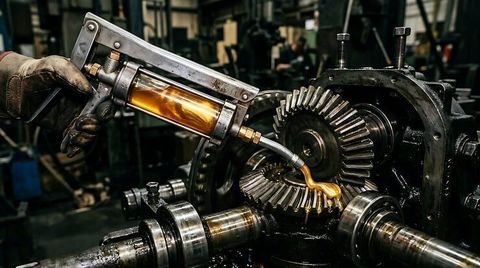
Industrial machinery converts electrical, hydraulic, pneumatic, thermal, or mechanical energy into useful movement or processing activity. Motors, actuators, gears, pumps, and control systems work together according to the machine's design.
What are the common applications of industrial machinery?
Applications include cutting metal, assembling vehicles, processing food, packaging products, moving warehouse materials, lifting construction loads, and treating water. Equipment selection depends on the process and operating requirements.
What are the benefits of industrial automation machinery?
Industrial automation machinery can improve process consistency, production capacity, repeatability, and monitoring. Its actual effects depend on system design, maintenance, staff training, and the tasks being automated.
What safety rules apply to industrial machinery in India?
Applicable requirements may include occupational safety legislation, electrical safety rules, environmental regulations, and relevant Indian Standards. The specific obligations depend on the machine, workplace, industry, and laws in force.
Conclusion
Industrial machinery includes a wide range of equipment used to manufacture products, process materials, move loads, and control industrial operations. Its main components and operating principles vary according to the task, energy source, and level of automation. Current developments in connected systems, robotics, predictive maintenance, and energy monitoring are changing how some facilities manage production. Safe operation depends on appropriate equipment selection, maintenance, operator training, and compliance with applicable regulations.