ZLD Plant Operations: Learn About Evaporation, Filtration, and Crystallization
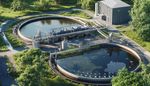
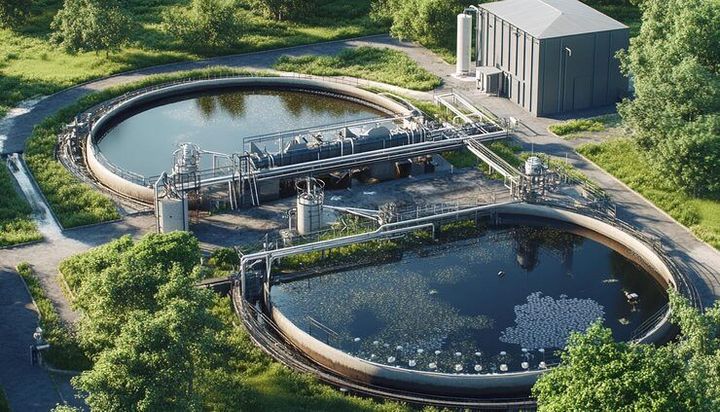
Zero Liquid Discharge (ZLD) is an industrial wastewater management approach designed to minimize liquid waste leaving an industrial facility.
nd specialized membranes. The recovered water may be reused after additional treatment if necessary.
The remaining concentrated stream contains higher levels of dissolved substances and moves to subsequent treatment stages.
Evaporation and Crystallization
Evaporation removes water from concentrated wastewater by converting liquid into vapor. The vapor can be condensed and collected as recovered water.
Crystallization further concentrates dissolved substances, allowing salts and other solids to separate from the remaining liquid. These solids are collected for suitable handling.
Main Equipment Used in Industrial ZLD Systems
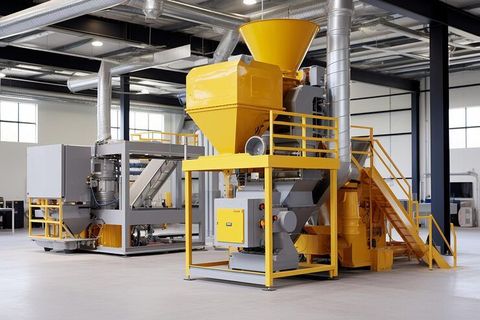
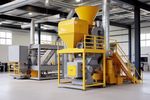
A complete industrial ZLD system may include several interconnected components. Equipment selection depends on the wastewater characteristics, required recovery level, and treatment capacity.
Common equipment includes:
Filtration units: Remove suspended particles and impurities.
Chemical dosing systems: Support pH adjustment and contaminant removal.
Reverse osmosis units: Separate water from dissolved substances.
Evaporators: Concentrate wastewater through controlled heating.
Crystallizers: Convert concentrated dissolved materials into solid crystals.
Water storage tanks: Collect and store recovered water for further use.
Common ZLD Equipment and Their Functions
| Equipment | Main Function |
|---|---|
| Sand filter | Removes suspended particles |
| RO membrane | Separates water and dissolved substances |
| Evaporator | Concentrates wastewater |
| Crystallizer | Produces solid crystals |
| Storage tank | Holds recovered water |
Industrial Applications of Zero Liquid Discharge
ZLD technology is used in industries where wastewater contains significant dissolved solids or where liquid discharge requires careful management.
Common applications include:
Textile manufacturing: Manages wastewater generated during dyeing and finishing operations.
Chemical processing: Treats wastewater containing dissolved chemicals and salts.
Pharmaceutical manufacturing: Supports wastewater treatment and water recovery.
Power generation: Handles wastewater associated with cooling and boiler operations.
Food processing: Manages wastewater containing organic matter, salts, and other substances.
Each industry requires a different treatment configuration because wastewater composition and operating conditions are not identical.
Factors to Consider When Selecting a ZLD System
Choosing a ZLD wastewater treatment plant requires technical and operational evaluation. Reviewing a ZLD system manufacturer or equipment supplier involves understanding the proposed treatment arrangement rather than considering individual equipment alone.
Important considerations include:
Treatment capacity: Determine the daily wastewater volume requiring treatment.
Water composition: Identify dissolved solids, organic substances, and other contaminants.
Equipment specifications: Review operating pressure, temperature, materials, and performance requirements.
Energy requirements: Examine electricity and thermal energy consumption.
Installation planning: Consider available space, utilities, maintenance access, and existing infrastructure.
Residual management: Understand how concentrated liquids and solid residues will be handled.
ZLD plant capacity and specifications should be matched with actual wastewater characteristics and operational requirements. A ZLD system quotation should also be evaluated alongside equipment configuration, energy consumption, installation requirements, and maintenance considerations.
Challenges and Operational Considerations
Although ZLD systems support water recovery, their operation can involve technical challenges. Evaporation and crystallization may require substantial energy, particularly when treating highly concentrated wastewater.
Other challenges include membrane fouling, equipment scaling, corrosion, maintenance requirements, and solid residue management. Regular monitoring helps identify operational changes and maintain consistent treatment conditions.
Frequently Asked Questions
What is a ZLD wastewater treatment plant?
It is an industrial treatment facility designed to recover water from wastewater while minimizing liquid discharge and managing concentrated residues.
Which industries use zero liquid discharge systems?
Textile, chemical, pharmaceutical, power generation, and food processing industries are among the common applications.
What equipment is required for an industrial ZLD system?
Typical equipment includes filters, chemical dosing units, membrane systems, evaporators, crystallizers, pumps, and storage tanks.
Does ZLD technology recover all wastewater?
ZLD systems aim to recover water and minimize liquid discharge. Actual recovery depends on wastewater composition, equipment configuration, and operating conditions.
Conclusion
Zero Liquid Discharge provides an integrated approach to industrial wastewater treatment and water recovery. Its processes combine filtration, membrane separation, evaporation, and crystallization to manage wastewater and concentrated residues.
Understanding equipment specifications, treatment capacity, energy requirements, and operational challenges helps industries evaluate suitable ZLD systems. Careful planning and regular monitoring are important for maintaining effective wastewater management.