Waste Recycling Machinery Guide for Industrial Material Processing Systems
Waste recycling machinery plays an important role in modern waste management by converting discarded materials into reusable resources.
These machines are used in industrial facilities, recycling plants, manufacturing units, and municipal waste management operations.
Different types of equipment perform specific tasks, including separating materials, reducing their size, removing unwanted substances, and preparing recyclable materials for transportation. Understanding their functions helps explain how modern recycling systems operate.
Understanding Waste Recycling Machinery
Waste recycling machinery refers to mechanical equipment designed to handle and process different categories of discarded materials. These materials may include plastic, paper, cardboard, metal, glass, and mixed industrial waste.
The machinery used depends on the material composition, processing requirements, available space, and expected output. For example, plastic waste requires different processing methods from metal scrap or paper products.
Common Types of Recycling Equipment
Several machines work together in recycling facilities:
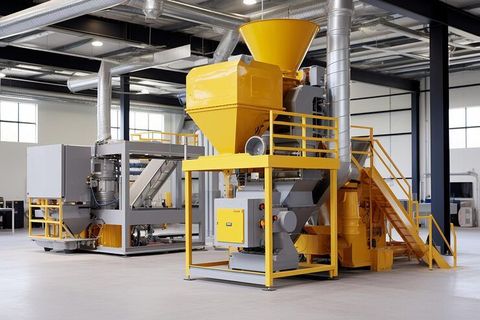
Industrial shredders: Reduce large waste items into smaller pieces for easier handling.
Crushing machines: Break rigid materials into smaller particles.
Sorting systems: Separate recyclable materials according to their size, weight, or composition.
Baling machines: Compress materials into compact bundles for storage and transportation.
Washing equipment: Removes dirt, labels, and other unwanted substances from recyclable materials.
Granulators: Produce smaller and more uniform particles from selected materials.
These machines can operate individually or as connected stages within a complete recycling plant.
Importance of Recycling Machinery
Recycling machinery plays an important role in managing increasing quantities of industrial, commercial, and household waste. Mechanical processing makes it easier to separate useful materials from mixed waste streams.
Without appropriate equipment, handling large quantities of discarded materials can require considerable manual effort. Automated machinery can support consistent processing and improve material handling within recycling facilities.
Environmental and Operational Importance
Recycling equipment contributes to several important activities:
Material recovery: Helps separate reusable materials from discarded products.
Waste volume reduction: Shredders and balers reduce the physical volume of selected materials.
Resource conservation: Recovered materials can become inputs for manufacturing processes.
Transportation management: Compact material bundles can simplify storage and transportation.
Process organization: Different machines create structured stages for waste treatment.
The environmental impact of recycling depends on factors such as energy consumption, transportation, contamination, and the quality of recovered materials.
Different Applications of Recycling Machinery
Recycling machinery is used across multiple industries. Each application requires equipment designed around particular material characteristics and processing conditions.
Plastic Waste Processing
Plastic recycling systems commonly use sorting machines, shredders, washing equipment, and granulators. These machines prepare selected plastic materials for further processing into flakes or other usable forms.
Plastic waste recycling machine price considerations may include processing capacity, material compatibility, washing requirements, and automation features.
Metal and Industrial Waste
Metal recycling facilities use shredders, shears, magnetic separators, and sorting systems. These machines help process metal scrap and separate certain materials according to their physical or magnetic properties.
Metal recycling machinery suppliers generally provide equipment with different configurations depending on the metal type and material dimensions.
Paper and Cardboard Recycling
Paper recycling equipment includes pulpers, screens, conveyors, and baling machines. These systems help separate contaminants, break down paper materials, and prepare recovered fibers for additional processing.
Machinery Selection and Technical Considerations
Choosing suitable equipment requires understanding the characteristics of the waste materials and the intended processing stages. Industrial recycling equipment suppliers may provide different machine configurations for specific applications.
Before selecting equipment, facilities generally evaluate the following factors:
Material type: Identify whether the waste contains plastic, metal, paper, glass, or mixed materials.
Processing capacity: Determine the approximate quantity of material handled per hour.
Machine configuration: Consider whether individual machines or integrated processing lines are required.
Energy requirements: Review electricity consumption and operating conditions.
Maintenance requirements: Examine replacement components, cleaning procedures, and routine inspections.
Available space: Check installation dimensions, material flow, and workplace accessibility.
The following table summarizes common equipment and their functions.
| Machinery Type | Main Function | Typical Application |
|---|---|---|
| Industrial shredder | Reduces material size | Plastic and industrial waste |
| Magnetic separator | Removes magnetic metals | Mixed waste processing |
| Baling machine | Compresses materials | Paper and cardboard |
| Washing machine | Removes contaminants | Plastic recycling |
| Granulator | Produces smaller particles | Plastic processing |
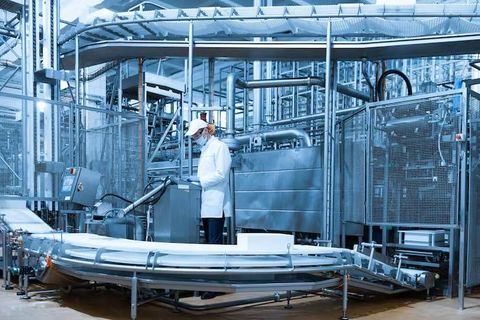
| Sorting conveyor | Supports material separation | Municipal waste |
Recent Developments in Recycling Technology
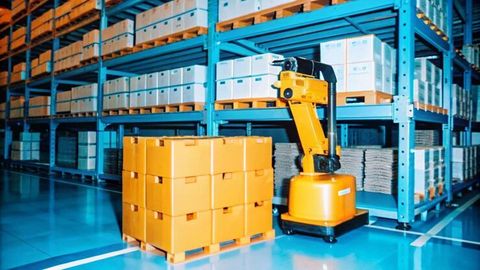
Modern recycling facilities increasingly use automated sorting, sensor-based identification, and computerized monitoring systems. These technologies can help distinguish materials and monitor processing activities.
Optical sorting systems, for example, use sensors to identify selected materials based on their characteristics. Automated conveyors and control systems can also coordinate material movement between processing stages.
However, technology requirements differ between facilities. Equipment selection should consider material consistency, contamination levels, maintenance capabilities, and the availability of trained operators.
Maintenance and Operating Requirements
Regular maintenance helps maintain machinery performance and reduce unexpected interruptions. Recycling equipment often handles abrasive, heavy, or contaminated materials, making inspections an important part of routine operations.
Common maintenance activities include:
Inspecting cutting blades, belts, bearings, and moving components.
Removing accumulated dust and material residues.
Checking electrical connections and safety systems.
Monitoring unusual vibration, noise, or temperature changes.
Following manufacturer instructions for lubrication and component replacement.
Operators should also follow appropriate safety procedures, including machine guards, emergency stops, protective equipment, and training requirements.
Frequently Asked Questions
What is waste recycling machinery?
It refers to equipment used to collect, separate, reduce, clean, and process discarded materials for recovery or further treatment.
Which machines are commonly used in recycling plants?
Common equipment includes industrial shredders, crushers, sorting conveyors, magnetic separators, washing machines, granulators, and balers.
What affects waste recycling machinery prices?
Factors include machine capacity, material compatibility, automation, construction materials, energy requirements, and additional processing features.
What machinery is used for plastic recycling?
Plastic recycling commonly involves sorting systems, shredders, washing equipment, drying systems, and granulators.
How can recycling machinery be maintained?
Regular inspections, cleaning, lubrication, component checks, and compliance with manufacturer maintenance instructions help support reliable operation.
Conclusion
Waste recycling machinery supports the organized processing of different waste materials across industrial and municipal applications. Equipment such as shredders, separators, washing systems, and balers performs important functions throughout recycling operations. Understanding machinery types, technical requirements, maintenance procedures, and material characteristics helps facilities develop suitable recycling processes. As automation and sorting technologies continue to develop, recycling systems are gaining additional capabilities for material identification and processing.