Hydraulic Flow Equipment Knowledge: Systems, Components, and Technical Specifications
Hydraulic flow equipment is refers to machines, components, and control systems that manage the movement of hydraulic fluid through pipes, valves, pumps, and cylinders.
These systems commonly use hydraulic oil to transmit power between different components. The movement of fluid allows machinery to perform activities such as lifting, pressing, rotating, clamping, and moving heavy materials.
Hydraulic equipment is found in manufacturing facilities, construction machinery, agricultural equipment, transportation systems, and material-handling operations. Its configuration depends on the machine's operating requirements and the type of work being performed.
What Does Hydraulic Flow Equipment Include?
Hydraulic flow equipment includes several interconnected components that manage fluid movement and system pressure.
Common components include:
Hydraulic pumps that circulate fluid through the system.
Flow control valves that regulate fluid movement.
Pressure control valves that help maintain operating pressure.
Hydraulic flow meters that measure fluid movement.
Filters that remove unwanted particles from hydraulic fluid.
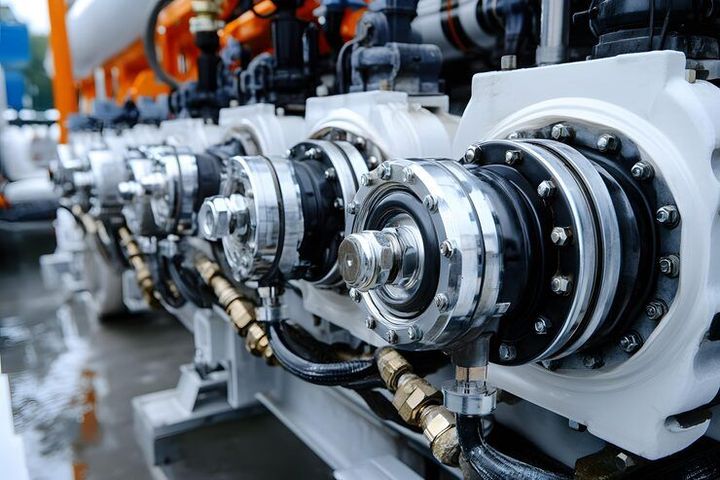
Hoses and fittings that connect different system components.
Each component performs a specific function. Their combined operation helps maintain consistent hydraulic performance under suitable operating conditions.
Importance of Hydraulic Flow Equipment
Hydraulic flow equipment is important because fluid movement directly affects how hydraulic machinery operates. Incorrect flow levels, pressure variations, or contamination can influence equipment performance and operational stability.
Industrial systems require suitable flow rates to perform their intended functions. For example, a hydraulic press requires controlled fluid movement to generate the force needed for pressing materials.
Main Operational Benefits
Hydraulic flow equipment supports several important functions:
Controlled movement: Regulates the speed and movement of hydraulic actuators.
Pressure management: Helps maintain pressure within specified operating limits.
Measurement: Provides information about fluid flow during machine operation.
Filtration: Reduces contamination that could damage internal components.
System coordination: Connects pumps, cylinders, motors, and other hydraulic devices.
Selecting compatible components can also simplify equipment maintenance and system monitoring.
Types of Hydraulic Flow Equipment
Different hydraulic components perform different functions. Understanding their characteristics helps explain how complete hydraulic systems operate.
Hydraulic Pumps
Industrial hydraulic pumps convert mechanical energy into hydraulic energy by moving fluid through the system. Common designs include gear pumps, vane pumps, and piston pumps.
The appropriate pump depends on required flow capacity, operating pressure, fluid characteristics, and machinery requirements.
Hydraulic Flow Control Valves
Hydraulic flow control valves regulate the quantity of fluid passing through different sections of a hydraulic circuit. They influence actuator speed and help coordinate machine movements.
Some designs provide adjustable flow settings, while others maintain a particular flow under specified conditions.
Hydraulic Flow Meters
Hydraulic flow meters measure the volume of fluid moving through a pipeline or hydraulic circuit over a given period.
Different measurement technologies are available, including turbine, gear, and other mechanical or electronic designs. Selection depends on fluid properties, measurement accuracy requirements, and operating conditions.
Hydraulic Power Units
Hydraulic power units combine components such as pumps, motors, reservoirs, filters, and control devices. They supply hydraulic power to connected machinery.
These units are commonly used in manufacturing equipment, industrial presses, lifting platforms, and automated production systems.
Hydraulic Equipment Components and Applications
The following table explains common equipment types and their typical industrial applications.
Equipment | Primary Function | Common Application |
|---|---|---|
Hydraulic pumps | Move hydraulic fluid | Industrial machinery |
Flow control valves | Regulate fluid flow | Automated equipment |
Directional valves | Change fluid direction | Hydraulic cylinders |
Pressure valves | Regulate pressure | Hydraulic presses |
Flow meters | Measure fluid movement | System monitoring |
Hydraulic filters | Remove contaminants | Hydraulic circuits |
Hoses and fittings | Connect components | Mobile machinery |
Industrial Applications
Hydraulic flow equipment is used across several industries.
Manufacturing: Supports presses, injection molding machines, and production equipment.
Construction: Operates excavators, loaders, cranes, and lifting machinery.
Agriculture: Supports tractors, harvesting equipment, and other hydraulic attachments.
Automotive: Assists vehicle lifting systems and specialized workshop equipment.
Material handling: Powers industrial lifting platforms and conveyor-related machinery.
The exact equipment configuration varies according to machinery design and operating requirements.
Recent Developments in Hydraulic Flow Technology
Hydraulic technology continues to incorporate electronic controls, improved monitoring methods, and more efficient component designs.
Modern hydraulic systems increasingly use sensors to monitor pressure, temperature, and fluid movement. These measurements help operators understand equipment conditions and identify unusual operating patterns.
Variable-speed pump controls are another development. They adjust pump operation according to system demand, potentially reducing unnecessary energy consumption in suitable applications.
Digital monitoring systems can also support maintenance planning by collecting operational information and identifying changes in equipment behavior.
Equipment Standards and Operating Considerations
Hydraulic equipment must be selected and operated according to relevant technical requirements. International standards and manufacturer specifications provide guidance on component dimensions, performance testing, fluid compatibility, and safety.
The ISO 4413 standard addresses general rules and safety requirements for hydraulic fluid power systems and their components.
Important considerations include:
Operating pressure and maximum pressure limits.
Fluid type and temperature compatibility.
Hose and fitting pressure ratings.
Equipment installation requirements.
Inspection and maintenance procedures.
Protection against leakage and accidental pressure release.
Operators should follow applicable equipment documentation and workplace safety procedures.
Hydraulic Flow Equipment Selection and Resources
Choosing suitable hydraulic equipment requires evaluating the complete system rather than considering individual components separately.
Important Selection Factors
1. Flow capacity: Determine the required fluid flow rate for the intended machinery.
2. Pressure requirements: Check normal operating pressure and maximum system pressure.
3. Component compatibility: Ensure pumps, valves, hoses, and fittings work together.
4. Fluid characteristics: Consider viscosity, temperature, and compatibility with equipment materials.
5. Maintenance requirements: Review inspection intervals, replacement components, and accessibility.
When comparing hydraulic flow equipment suppliers, examine technical specifications, product documentation, component compatibility, and manufacturer support.
Frequently Asked Questions
What is hydraulic flow equipment?
It refers to pumps, valves, meters, filters, hoses, and related components that control hydraulic fluid movement.
What are hydraulic flow control valves used for?
They regulate fluid movement through hydraulic circuits and help control the speed of connected actuators.
How do hydraulic flow meters work?
They measure the quantity of fluid passing through a system using mechanical, electronic, or other measurement technologies.
What are hydraulic power units?
Hydraulic power units combine pumps, motors, reservoirs, and other components to provide hydraulic power to machinery.
How should hydraulic equipment be selected?
Selection depends on flow capacity, pressure requirements, fluid compatibility, operating conditions, and equipment specifications.
Conclusion
Hydraulic flow equipment supports the movement and regulation of pressurized fluid across numerous industrial applications. Pumps, valves, meters, filters, and connecting components work together to perform essential hydraulic functions.
Understanding component types, operating principles, technical specifications, and maintenance requirements helps readers evaluate hydraulic systems more effectively. Proper equipment compatibility and suitable operating practices remain important for reliable machinery operation.