Metal Pouring Machines: Explore Industrial Casting Processes and Equipment Applications
Metal pouring machines support controlled molten metal handling. These machines are important equipment in foundries and metal casting facilities.
Modern industrial facilities use different pouring technologies depending on production requirements, metal characteristics, and mold designs. Understanding their functions, configurations, and applications helps readers understand their role in manufacturing.
Understanding Metal Pouring Machines
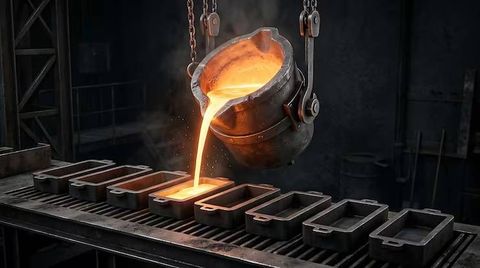
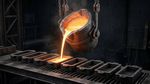
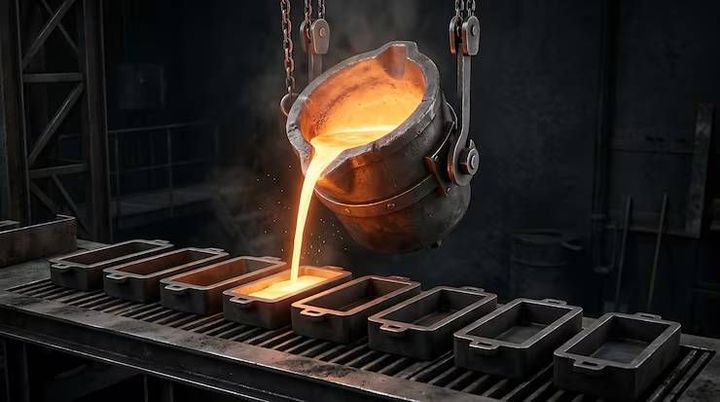
Metal pouring machines are industrial systems designed to transfer molten metals from furnaces or holding containers into prepared molds. The process requires careful control because molten metals operate at extremely high temperatures.
A metal pouring machine can operate manually, semi-automatically, or automatically. The selected configuration depends on production volume, casting dimensions, material properties, and the level of process automation required.
How the Equipment Works
The basic operation involves several coordinated stages:
Metal preparation: Metal is melted and maintained at a suitable temperature.
Transfer: Molten metal moves from a furnace or holding vessel into a pouring container.
Positioning: The machine aligns the pouring container with the mold.
Pouring: Controlled movement allows liquid metal to enter the mold cavity.
Completion: The pouring mechanism returns to its starting position for the next cycle.
These stages help organize casting operations and reduce unnecessary handling.
Importance in Industrial Manufacturing
Metal pouring machines contribute to manufacturing processes where accurate metal distribution is necessary. Inconsistent pouring can create defects such as incomplete mold filling, air entrapment, and uneven material distribution.
Industrial metal pouring equipment helps maintain repeatable operating conditions. Depending on the machine design, it can also reduce direct worker interaction with hot materials.
Operational Advantages
Several operational characteristics make this equipment useful:
Controlled material flow supports consistent mold filling.
Automated movement reduces repetitive manual handling.
Adjustable pouring parameters accommodate different mold requirements.
Integrated controls help operators monitor production activities.
Mechanized operations can support continuous manufacturing workflows.
Actual performance depends on equipment design, maintenance practices, and operating conditions.
Types of Metal Pouring Machines
Different foundry operations require different pouring arrangements. Machine selection generally depends on casting methods, metal characteristics, and production requirements.
Automatic Metal Pouring Machines
An automatic metal pouring machine uses programmed controls and mechanical systems to regulate pouring operations. Sensors and control units may monitor positioning, movement, and material quantities.
These systems are commonly used in production environments requiring repeatable pouring cycles. Their configuration can include robotic movement, automatic ladle positioning, and integrated safety controls.
Manual and Semi-Automatic Machines
Manual systems require operators to control important pouring movements. Semi-automatic machines combine operator supervision with mechanical assistance.
These arrangements can be suitable for smaller foundries or production environments with changing casting requirements.
Automatic Foundry Pouring Systems
An automatic foundry pouring system coordinates multiple activities involved in transferring molten metal into molds. Depending on its configuration, it may include temperature monitoring, programmable controls, automated positioning, and pouring mechanisms.
Applications Across Industries
Metal pouring technology is used in several manufacturing sectors where metal components are produced through casting.
Common applications include:
Automotive manufacturing: Production of engine components, housings, and structural castings.
Machinery manufacturing: Casting industrial equipment components and machine parts.
Construction equipment: Production of metal fittings, brackets, and heavy-duty components.
Agricultural machinery: Manufacturing selected cast metal components.
Industrial engineering: Production of housings, valves, and mechanical assemblies.
The appropriate pouring arrangement depends on the component's dimensions, material, and required casting characteristics.
Important Equipment Selection Factors
Selecting industrial pouring machinery requires an understanding of production requirements and operating conditions. Comparing equipment specifications can help identify suitable configurations.
Technical Considerations
Important factors include:
Metal compatibility: Confirm that the equipment supports the intended metal and operating temperature.
Pouring capacity: Evaluate the quantity of molten metal handled during each cycle.
Pouring accuracy: Consider how precisely the machine controls material distribution.
Automation level: Determine whether manual, semi-automatic, or automated operation is appropriate.
Safety systems: Examine protective enclosures, emergency controls, and temperature monitoring.
Maintenance requirements: Review component accessibility, inspection intervals, and replacement procedures.
Equipment Comparison
| Machine Type | Main Characteristic | Typical Application |
|---|---|---|
| Manual pouring machine | Operator-controlled movement | Smaller foundries |
| Semi-automatic system | Mechanized pouring assistance | Medium-scale production |
| Automatic pouring machine | Programmable operation | Repetitive casting |
| Robotic pouring system | Programmable robotic movement | Automated manufacturing |
Operating Safety and Maintenance
Molten metal handling involves significant workplace hazards, including extreme temperatures, splashing, and equipment-related risks. Appropriate protective measures are therefore essential.
Operators should follow established workplace procedures and manufacturer instructions. Protective clothing, suitable barriers, equipment inspections, and emergency shutdown arrangements contribute to safer operations.
Regular maintenance should include checking mechanical components, hydraulic systems, electrical connections, control equipment, and pouring containers. Inspection schedules should reflect operating frequency and equipment specifications.
FAQs About Metal Pouring Machines
What is a metal pouring machine?
It is industrial equipment that transfers molten metal from a furnace or container into molds during casting operations.
What metals can these machines handle?
Depending on their design, machines may handle aluminum, iron, steel, copper alloys, and other casting metals.
What is an automatic metal pouring machine?
It is a controlled system that uses mechanical or programmable components to regulate molten metal transfer.
What determines metal pouring machine price?
Pricing depends on machine capacity, automation level, material compatibility, technical specifications, and additional equipment requirements.
Are foundry pouring machines suitable for different casting processes?
Yes. Different configurations can support various casting operations, depending on mold design, metal characteristics, and production requirements.
Conclusion
Metal pouring machines play an important role in modern foundry and casting operations. Their configurations range from manual equipment to automated robotic systems. Understanding machine types, technical specifications, safety considerations, and industrial applications helps explain how these systems support consistent metal casting processes.