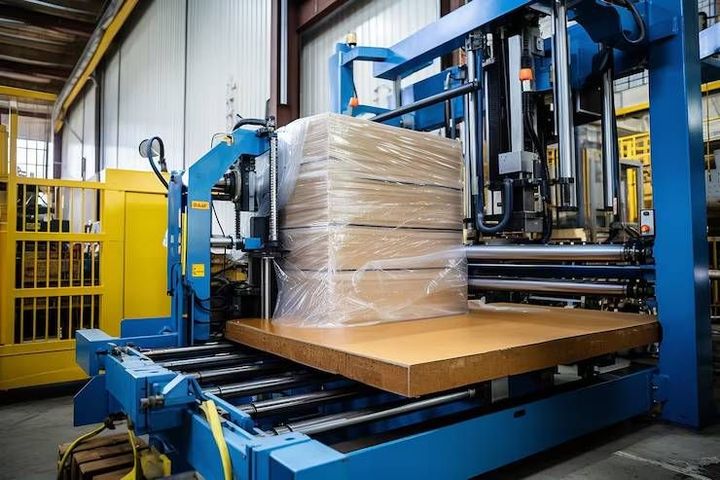
Wrapping Machines Information With Packaging Automation and Manufacturing Insights
Wrapping machines are industrial packaging systems used to cover, protect, bundle, or stabilize products and loads with materials such as stretch film, shrink film, paper, or other flexible packaging materials.
They are used across manufacturing, warehousing, food processing, consumer goods, logistics, agriculture, and many other industries where packaged products need protection during handling, storage, or transportation.
Early wrapping processes relied heavily on manual application of packaging materials. As production volumes increased, mechanical equipment was introduced to control film application, product movement, sealing, cutting, and load rotation. Modern wrapping machines can combine these functions with sensors, programmable controllers, conveyors, motors, and digital monitoring.
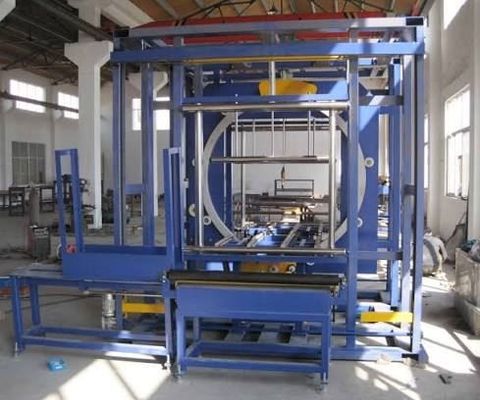
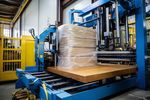
Wrapping equipment is available in several configurations. Stretch wrapping machines commonly surround pallets with stretch film to stabilize products. Shrink wrapping systems use heat to tighten a plastic film around selected products or grouped packages. Horizontal wrappers can surround long or irregular products, while specialized machines can handle individual products or bundles.
The choice of wrapping system depends on product dimensions, load shape, packaging material, production requirements, environmental conditions, and the desired level of automation. A machine designed for pallet loads may be unsuitable for small individual products without significant changes to its configuration.
How Wrapping Machines Work
The basic wrapping process begins when a product or load enters the machine. Depending on the equipment, a conveyor, turntable, rotating arm, or other mechanism positions the product for wrapping.
Film is then supplied from a roll and applied around the product or pallet. Tension controls may regulate how tightly the film is applied, while sensors can detect load height, width, or position.
After the required number of film layers or wrapping cycles has been completed, the system can cut and secure the film. In automated packaging lines, the wrapped load can then continue toward labeling, storage, inspection, or another handling stage.
Main Types of Wrapping Machines
Several types of wrapping machines are used in industrial environments:
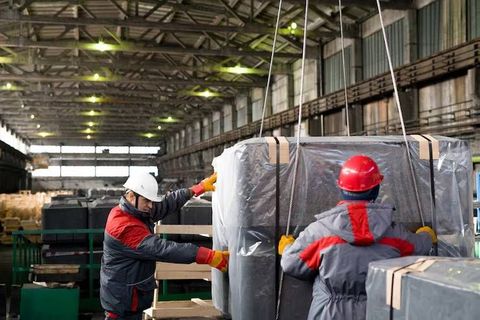
Stretch wrappers for stabilizing palletized loads
Turntable wrappers for rotating stationary pallets
Rotary-arm wrappers for larger or less stable loads
Shrink wrappers for grouping and enclosing products
Horizontal wrappers for long or irregular items
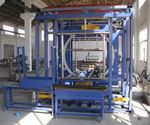
Ring wrappers for continuous wrapping applications
Automatic film cutters for controlled film separation
Integrated wrapping lines for connected packaging operations
Each type uses a different movement and film-application approach. The machine configuration needs to match the shape, weight, dimensions, and handling characteristics of the products.
Importance
Wrapping machines play an important role in packaging automation because they connect product preparation with final load stabilization. Properly wrapped products can be easier to handle and organize, while packaging materials can help protect products from dust, moisture, abrasion, and movement during certain handling conditions.
The equipment also addresses repetitive packaging activities. Manual wrapping can involve repeated walking, reaching, pulling, and rotating around products or pallets. Automated equipment can perform defined wrapping cycles while operators focus on monitoring, material replenishment, inspection, and other production activities.
Manufacturing Applications
Wrapping machines are used across many manufacturing environments. Food and beverage facilities may wrap packaged goods and pallet loads, while consumer goods facilities may use shrink wrapping to group individual products.
Industrial manufacturers can use wrapping systems for components, finished assemblies, pipes, profiles, furniture, construction materials, and other products. Agricultural operations may use wrapping equipment for packaged materials and selected agricultural loads.
The appropriate wrapping process depends on the product and the purpose of the packaging. A moisture-sensitive product may require a different packaging approach from a product that primarily needs load stabilization.
Packaging Automation
Automated wrapping is often integrated with conveyors and other packaging equipment. A production line may move products from filling or forming equipment to labeling, inspection, case packing, palletizing, and wrapping.
Sensors can identify whether a pallet or product has reached the wrapping position. Programmable controls can then initiate the wrapping cycle according to predefined settings.
Automation can also coordinate upstream and downstream equipment. For example, a palletizer may place products onto a pallet, a conveyor may transfer the pallet to a wrapping station, and the wrapping system may release it toward a warehouse area after completing its programmed cycle.
Product Protection and Load Stability
Wrapping materials can serve different purposes depending on the application. Stretch film can help hold multiple packages together, while shrink film can enclose products into a tighter package.
Load stability depends on several factors, including product weight, package shape, pallet arrangement, film characteristics, wrapping tension, and environmental conditions. Wrapping is therefore only one part of overall load-handling planning.
Some loads may also require corner protection, straps, slip sheets, edge boards, or other packaging components. The appropriate combination depends on the product and handling environment.
Recent Updates
From 2024 through 2026, wrapping machines have continued to develop around automation, digital controls, material efficiency, flexible production, and integration with wider manufacturing systems. The general direction is toward equipment that can collect operating information while adapting to different product and load configurations.
Automated Film Control
Modern wrapping equipment can use electronic controls to regulate film tension, rotation speed, wrapping patterns, and film application. These settings can be stored for different products or load configurations.
Automatic film-cutting and sealing mechanisms can also reduce the number of manual steps involved in completing a wrapping cycle. Sensors can help identify pallet position and load dimensions before wrapping begins.
Material Management
Packaging facilities are increasingly examining how much film is used during each wrapping cycle. Pre-stretch systems can mechanically stretch film before application, while controlled tension can help regulate film usage according to the packaging requirements.
Film thickness, strength, elasticity, load shape, and wrapping pattern all influence material selection. Reducing unnecessary packaging material requires appropriate equipment settings and testing rather than relying on one configuration for every load.
Digital Monitoring
Connected wrapping machines can record information such as cycle counts, operating status, alarms, film usage indicators, and selected machine conditions. This information can be displayed through a local control panel or connected production-monitoring platform.
Digital records can help maintenance teams identify recurring alarms or unusual operating patterns. When wrapping equipment is connected to a larger manufacturing network, data can also be incorporated into production records.
Flexible Production
Manufacturing facilities may process products with different dimensions and packaging formats. Wrapping machines are therefore increasingly configured with adjustable conveyors, programmable recipes, variable-speed drives, automatic height detection, and other features that support different loads.
Machine vision can also be used in selected applications to identify product position or load characteristics. The need for vision depends on the consistency of incoming products and the complexity of the packaging process.
Laws or Policies
Wrapping machines are influenced by machinery safety, electrical protection, workplace safety, packaging, waste-management, and environmental requirements. Specific rules vary according to the country, industry, machine configuration, and packaging materials used.
Machinery Safety
Wrapping equipment contains moving components such as turntables, rotating arms, conveyors, film carriages, motors, and cutting mechanisms. Safety systems may therefore include physical guards, interlocked access doors, emergency stops, safety sensors, and controlled operating modes.
Risk assessment is an important part of machine installation and operation. Potential hazards can include unexpected movement, access to rotating equipment, film entanglement, falling loads, and contact with cutting mechanisms.
Electrical and Control Requirements
Automated wrapping machines may contain electrical panels, motors, programmable controllers, sensors, drives, and communication equipment. Electrical installations generally need appropriate grounding, protection, wiring, control-panel arrangements, and emergency controls according to applicable rules.
Documentation can include electrical diagrams, operating instructions, maintenance procedures, and safety information.
Packaging and Environmental Considerations
Packaging materials may be subject to waste-management and environmental requirements. Plastic films, paper materials, and other packaging components may need to be collected, separated, recycled, or disposed of according to applicable local requirements.
Facilities can also monitor packaging-material usage as part of broader environmental and resource-management programs. Requirements differ between jurisdictions and material categories.
Tools and Resources
Planning a wrapping machine installation requires information about products, pallets, film materials, production rates, floor space, and material movement. Equipment specification sheets can provide information about machine dimensions, load limits, film compatibility, electrical requirements, and conveyor arrangements.
Packaging calculators can help estimate pallet dimensions, film usage parameters, load patterns, and packaging requirements. Facility-layout software can be used to examine machine placement, operator access, conveyor routing, and maintenance clearances.
Useful resources include:
Wrapping machine specification sheets
Film specification records
Packaging calculation worksheets
Pallet dimension tables
Production flow diagrams
Facility layout software
Equipment inspection checklists
Preventive maintenance schedules
Packaging material tracking systems
Manufacturing monitoring platforms
Warehouse management systems
Machine control documentation
A simplified comparison of wrapping machine types is shown below:
| Wrapping Machine Type | Primary Function | Main Planning Factor |
|---|---|---|
| Turntable Wrapper | Rotates pallet during wrapping | Pallet dimensions |
| Rotary-Arm Wrapper | Arm moves around stationary load | Load stability |
| Shrink Wrapper | Encloses products with shrink film | Heat control |
| Horizontal Wrapper | Wraps long or irregular products | Product shape |
| Ring Wrapper | Applies film around a moving load | Conveyor integration |
| Automatic Wrapper | Performs programmed wrapping cycles | Production integration |
Machine-layout planning should include space for film-roll replacement, cleaning, inspection, maintenance, pallet movement, and operator access. If forklifts or automated warehouse vehicles operate nearby, their movement paths should also be considered.
FAQs
What are wrapping machines used for?
Wrapping machines are used to apply stretch film, shrink film, paper, or other flexible packaging materials around products, bundles, or pallet loads. Their purpose can include load stabilization, grouping, and protection during handling or storage.
How do automated wrapping machines work?
Automated wrapping machines position a product or pallet and apply packaging material according to programmed settings. Sensors and controllers can regulate movement, film tension, wrapping cycles, cutting, and other parts of the process.
What is the difference between stretch wrapping and shrink wrapping?
Stretch wrapping uses elastic film that is mechanically stretched around a product or pallet. Shrink wrapping uses heat to contract a suitable film around a product or group of products. The two methods have different equipment and packaging requirements.
What factors affect wrapping machine selection?
Important factors include product dimensions, pallet size, load weight, film type, production volume, wrapping pattern, available floor space, automation level, conveyor arrangement, and maintenance access.
How does packaging automation affect wrapping systems?
Packaging automation can connect wrapping machines with conveyors, palletizers, labeling equipment, inspection systems, and warehouse processes. Sensors and programmable controls can coordinate movement and wrapping sequences across the production line.
Conclusion
Wrapping machines combine mechanical handling, packaging materials, sensors, controls, and automated processes to wrap individual products, bundles, or pallet loads. Different systems use different approaches, including stretch wrapping, shrink wrapping, rotary-arm movement, turntables, horizontal wrapping, and integrated packaging lines. Recent developments include digital monitoring, programmable film control, flexible production settings, and greater integration with manufacturing systems. Safe operation requires suitable machine protection, equipment access, maintenance procedures, and compliance with applicable workplace, electrical, packaging, and environmental requirements.