Solar Junction Box Machines Explained With Working Principles, Types, and Applications
Solar junction box machines are specialized production systems used to assemble, connect, test, and sometimes inspect junction boxes used in photovoltaic solar panels. A solar junction box is mounted on the rear side of a solar module and provides an electrical connection between the panel's internal circuits and external cables.
The growth of photovoltaic manufacturing created a need for more consistent ways to produce these components. Earlier production processes could depend heavily on manual assembly, soldering, adhesive application, cable preparation, and inspection. As solar module manufacturing expanded, automated solar junction box machines became increasingly important for maintaining repeatable production conditions.
A typical solar junction box production line can include several connected processes. These may include box positioning, adhesive dispensing, diode installation, cable preparation, soldering or electrical connection, curing, inspection, and electrical testing. The exact configuration depends on the junction box design, module format, production volume, and manufacturing requirements.
What a Solar Junction Box Does
The junction box provides an organized electrical interface for a photovoltaic module. It protects connection points and provides a location for electrical components such as bypass diodes.
Its main functions can include:
- Connecting internal solar cell circuits with external cables
- Protecting electrical connection areas
- Supporting bypass diode integration
- Providing mechanical attachment to the module
- Helping maintain electrical insulation around connection points
- Supporting reliable cable routing
Solar junction box machines are designed around these manufacturing requirements. Rather than performing one universal operation, they may combine several production stages into a coordinated system.
Main Components of Production Equipment
A solar junction box machine can contain mechanical, electrical, pneumatic, electronic, and software-controlled components. Common elements include a frame, conveyor or positioning system, robotic or linear movement mechanisms, dispensing units, heating elements, sensors, controllers, fixtures, and inspection equipment.
Programmable logic controllers and human-machine interfaces are often used to coordinate operating sequences. Sensors can detect component positions, material presence, temperature, pressure, or other process conditions.
Importance
Solar junction box manufacturing matters because the junction box is a relatively small component with an important electrical role. Inconsistent assembly can affect connection quality, insulation, mechanical attachment, or the operation of bypass diodes.
For solar module manufacturers, automation can help create more repeatable production conditions. It can also reduce variation between individual modules by controlling movement, dispensing, positioning, and testing according to predefined process parameters.
Who Uses Solar Junction Box Machines
These machines are primarily associated with photovoltaic manufacturing facilities and equipment integrators. They can also be relevant to companies developing new solar module designs or modifying production lines.
Different users may require different machine configurations because photovoltaic modules vary in dimensions, junction box designs, cable arrangements, adhesive materials, and electrical architecture.
Problems Automation Addresses
Manual production can involve several sources of variation. Examples include inconsistent adhesive quantities, inaccurate component positioning, soldering differences, cable placement errors, and incomplete inspection.
Automated systems can address these challenges through controlled process sequences. Important areas include:
- Consistent component placement
- Controlled adhesive dispensing
- Repeatable electrical connections
- Automated cable handling
- Process monitoring
- Electrical testing
- Visual inspection
- Production data collection
Automation does not eliminate the need for trained personnel or quality controls. Instead, it creates a more structured manufacturing environment in which repeatable operations can be monitored.
Production Accuracy and Quality Control
Quality control is especially important because a junction box forms part of the electrical pathway of a photovoltaic module. Manufacturing systems may therefore include inspection stages after mechanical assembly and electrical connection.
Testing can include continuity checks, diode-related electrical checks, insulation-related measurements, and visual inspection. The exact tests depend on the junction box design and applicable manufacturing requirements.
Recent Updates
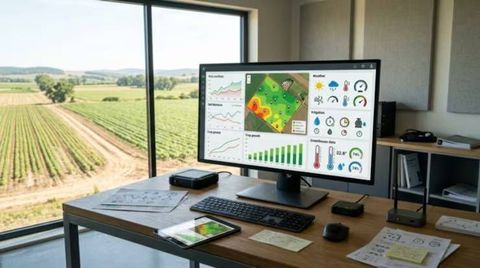
From 2024 through 2026, photovoltaic manufacturing has continued moving toward higher automation, improved traceability, and greater production flexibility. Solar junction box machines are increasingly considered as parts of integrated production lines rather than isolated pieces of equipment.
One noticeable trend is the integration of machine vision. Cameras and image-processing systems can inspect component positions, cable placement, adhesive application, connector conditions, and other visible characteristics. This can help identify process deviations during production.
Greater Automation
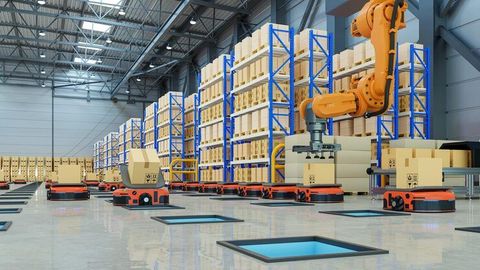
Modern production equipment can combine several operations within one automated sequence. A line may coordinate loading, positioning, dispensing, assembly, curing, inspection, and testing while transferring production information between stages.
Another development is greater flexibility. Manufacturers may need equipment capable of handling different module formats or junction box configurations. Adjustable fixtures, programmable motion systems, and recipe-based controls can support changes between production configurations.
Data and Traceability
Digital production monitoring has also become more significant. Machine controllers can record information about operating conditions, inspection results, production counts, and detected errors.
Traceability can help manufacturers identify when a particular production batch was processed and whether it passed designated inspection stages. Data integration can also support broader manufacturing execution systems and factory monitoring platforms.
Energy and Material Efficiency
Manufacturers are also examining ways to reduce unnecessary material use and energy consumption. Controlled adhesive dispensing can help maintain consistent quantities, while optimized heating and curing processes can reduce unnecessary thermal exposure.
These developments are part of a wider manufacturing trend toward connected equipment, automated inspection, and process data analysis.
Laws or Policies
Solar junction box machines are influenced by several categories of technical requirements rather than one universal rule. The exact requirements depend on the country where equipment is installed, the destination market for solar modules, electrical standards, workplace requirements, and the design of the photovoltaic product.
Electrical and Photovoltaic Requirements
Photovoltaic modules and their components are commonly evaluated against recognized international or regional standards. Requirements can address electrical safety, insulation, environmental durability, mechanical performance, and component suitability.
Junction boxes may therefore need to be compatible with the electrical and environmental requirements applicable to the finished photovoltaic module.
Machine Safety Requirements
The machinery itself can also be subject to workplace safety rules. These may address guarding, emergency stopping, electrical protection, moving mechanisms, pneumatic systems, thermal equipment, and operator access.
Manufacturers and facility operators generally need to identify the applicable machinery and electrical requirements for their operating region.
Environmental Considerations
Solar manufacturing can involve adhesives, polymers, metals, electronic components, and other materials. Environmental requirements may address material handling, waste management, emissions, recycling, and disposal.
Government renewable-energy programs can also influence photovoltaic manufacturing indirectly by supporting solar deployment or establishing technical requirements for equipment and modules. Because these policies differ between countries and can change over time, manufacturers normally evaluate the rules applicable to their specific market.
Tools and Resources
Several tools can help engineers, production planners, technicians, and general readers understand solar junction box machines and photovoltaic manufacturing.
Machine Design and Production Tools
Computer-aided design software can be used to develop machine layouts, fixtures, component arrangements, and mechanical assemblies. PLC programming environments are commonly used for automated sequence control.
Manufacturing teams may also use production monitoring software to record equipment status, process parameters, inspection results, and production information.
Electrical Testing Equipment
Electrical test instruments can help verify junction box connections and photovoltaic module characteristics. Depending on the production stage, equipment may include continuity testers, insulation testing equipment, diode testing systems, and other electrical measurement instruments.
Calculation and Planning Resources
Production planning may require calculations involving cycle time, throughput, equipment utilization, conveyor speed, adhesive consumption, and curing time.
A basic production calculation can be represented as:
| Parameter | Example Measurement | Purpose |
|---|---|---|
| Cycle time | 10 seconds | Time for one production cycle |
| Operating time | 8 hours | Planned production period |
| Theoretical cycles | 2,880 | Production capacity before downtime |
| Inspection rate | 100% | Proportion subjected to inspection |
| Process temperature | Defined by material | Supports curing or bonding |
| Production tracking | Digital record | Supports traceability |
These figures are examples for understanding the calculations and are not specifications for a particular machine.
Technical Documentation
Equipment manuals, photovoltaic standards, electrical testing procedures, machine safety documentation, and manufacturer datasheets can provide additional technical information. Training materials covering PLC control, machine vision, automation, and photovoltaic module construction can also help readers understand the complete production process.
Types of Solar Junction Box Machines
Solar junction box machines can be classified according to the production operation they perform.
Assembly Machines
Assembly systems position and connect junction box components. They can use fixtures, robotic mechanisms, pneumatic devices, or programmable motion systems to maintain consistent component placement.
Adhesive Dispensing Machines
Adhesive dispensing equipment applies controlled quantities of bonding material to designated areas. The dispensing pattern and quantity depend on the junction box design and material characteristics.
Soldering and Connection Machines
Some photovoltaic junction box designs require electrical connections between internal bus ribbons, cables, terminals, or other conductive components. Automated soldering or connection equipment can control movement and process conditions.
Cable Processing Machines
Cable preparation equipment can cut, strip, position, or connect cables used with junction boxes. Automated cable handling can help maintain consistent lengths and positions.
Testing and Inspection Machines
Testing equipment evaluates electrical and physical characteristics after assembly. Vision systems can inspect visible features, while electrical testers can check connection-related conditions.
Integrated Production Lines
Integrated solar junction box production lines combine multiple stages into one coordinated workflow. These systems can include automatic feeding, assembly, dispensing, connection, testing, and data collection.
Working Principle
The working principle of a solar junction box machine depends on its function, but the overall process follows a controlled sequence.
First, junction box components are loaded or supplied to the machine. Position sensors or vision systems can confirm that the required parts are present and correctly oriented.
Next, the machine positions the junction box using fixtures or automated movement systems. If adhesive is required, a dispensing mechanism applies a predetermined pattern.
The system then installs electrical components, cables, or other parts according to the programmed sequence. Connection processes such as soldering may follow, depending on the design.
After assembly, the junction box may undergo curing or stabilization. Inspection equipment can then examine physical characteristics, while electrical testing checks designated connection conditions.
Finally, the control system records the inspection result and identifies whether the assembled component proceeds to the next manufacturing stage.
Applications
Solar junction box machines are mainly used in photovoltaic module manufacturing, but their applications can vary according to production requirements.
Photovoltaic Module Production
The primary application is automated junction box assembly for solar panels. Equipment can be integrated into module production lines to coordinate junction box attachment and electrical connection processes.
High-Volume Manufacturing
Large production facilities may use automated systems to maintain consistent cycle times and process monitoring across extended production periods.
Flexible Module Production
Manufacturers producing different module sizes or junction box configurations may use programmable equipment with adjustable fixtures and machine recipes.
Quality Inspection
Automated inspection systems can be incorporated to identify assembly deviations before modules proceed to later production stages. This creates an additional control point within the manufacturing workflow.
FAQs
What is a solar junction box machine?
A solar junction box machine is automated manufacturing equipment used to assemble, connect, inspect, or test junction boxes for photovoltaic modules. Different machines perform different stages of the production process.
How does a solar junction box machine work?
A solar junction box machine generally loads or positions components, performs programmed assembly operations, applies materials when required, creates electrical connections, and conducts inspection or testing.
What are the main types of solar junction box machines?
Common categories include assembly machines, adhesive dispensing machines, soldering and connection equipment, cable processing systems, testing equipment, inspection machines, and integrated production lines.
Why are solar junction box machines important for solar panel manufacturing?
They help control repetitive manufacturing operations such as component positioning, adhesive application, electrical connection, and inspection. This can improve process consistency and production monitoring.
What technologies are used in modern solar junction box machines?
Modern systems can use PLC controllers, sensors, servo motion, machine vision, automated dispensing, electrical testing equipment, data logging, and production monitoring software.
Conclusion
Solar junction box machines support the automated production of an important electrical component used in photovoltaic modules. Their working principles generally involve controlled positioning, assembly, material application, electrical connection, inspection, and testing. Machine types range from individual processing units to integrated production lines with digital monitoring. From 2024 through 2026, automation, machine vision, flexible production, and manufacturing traceability have become increasingly important areas in photovoltaic equipment development.