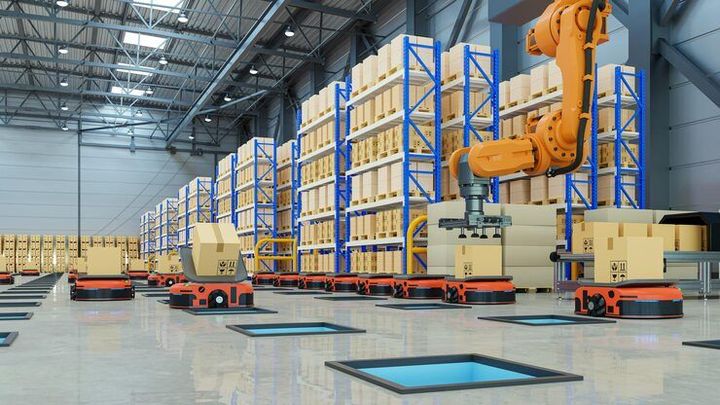
Pallet Conveyor Systems Information With Pallet Handling, Storage, and Distribution Solutions
Pallet conveyor systems are material handling arrangements designed to move pallets between different areas of warehouses, manufacturing facilities, distribution centers, and storage buildings.
These systems help transport goods placed on wooden, plastic, or metal pallets along planned routes. They connect production areas, storage zones, packing stations, and dispatch sections to support organized movement of materials.
Pallet conveyor systems developed as industries needed more structured ways to handle heavy loads and manage increasing quantities of goods. Traditional pallet movement often relies on forklifts, pallet trucks, and manual coordination. Conveyor technology introduces a fixed route that can move pallets between work areas with less repeated vehicle movement.
Understanding Pallet Conveyor Technology
A pallet conveyor uses mechanical equipment to move loaded or empty pallets from one point to another. Depending on the application, it may use powered rollers, chains, belts, or gravity to move materials. Some systems operate continuously, while others move pallets only when a particular station is ready.
Common components include conveyor frames, drive motors, rollers, chains, sensors, control panels, and safety devices. The combination depends on pallet dimensions, load weight, travel distance, and the layout of the facility.
Main Types of Pallet Conveyor Systems
Different conveyor designs support different handling requirements.
Roller conveyors use rotating rollers to move pallets across a level surface. Powered versions use motors, while gravity versions rely on a suitable slope.
Chain conveyors move pallets using chains positioned beneath the load. They are often used when pallets have runners or bases compatible with the chain arrangement.
Belt conveyors use a continuous belt and may suit particular pallet bases or handling applications.
Transfer units redirect pallets between conveyor lines, including movements between parallel routes.
Turntables rotate pallets to change their direction without requiring an entirely new conveyor route.
Vertical transfer systems move pallets between different floor levels where suitable lifting equipment is installed.
Selecting a design requires an understanding of the pallet structure, load distribution, operating environment, and intended movement pattern.
Importance
Pallet conveyor systems play an important role in modern material handling because warehouses and production facilities must coordinate the movement of goods across several operational stages. These systems can connect receiving, storage, manufacturing, order preparation, and dispatch areas within one organized layout.
Supporting Warehouse Operations
Warehouses handle products of different sizes, weights, and packaging types. Pallet conveyor systems help establish predictable movement paths between designated locations, reducing the need for repeated manual coordination.
For example, a distribution center may receive pallets from delivery vehicles, move them through an inspection area, transfer them toward storage, and route selected pallets to dispatch. Conveyors can connect these activities while allowing employees to focus on inspection, inventory records, and other necessary tasks.
Improving Workplace Organization
Forklifts and pallet trucks remain important handling equipment, but frequent vehicle movement can create congestion in busy facilities. Fixed conveyor routes can reduce some unnecessary vehicle trips between connected workstations.
However, conveyors introduce their own safety requirements. Moving chains, rollers, transfer points, and powered mechanisms can create pinch or entanglement hazards. Appropriate guarding, emergency stops, training, and maintenance are therefore essential.
Supporting Storage and Distribution
Pallet conveyor systems can connect automated storage and retrieval equipment with warehouse transport routes. They may also link sorting areas, packing stations, and loading zones.
The following table summarizes common applications.
Application | Conveyor role | Operational purpose |
|---|---|---|
Manufacturing | Moves pallets between production stages | Organizes material flow |
Warehouse storage | Connects conveyors with storage equipment | Supports pallet positioning |
Distribution centers | Transfers pallets between sorting and dispatch areas | Coordinates outbound movement |
Food and beverage facilities | Moves packaged goods between processing and storage zones | Supports controlled handling |
E-commerce fulfillment | Routes palletized inventory between work areas | Coordinates inventory movement |
Automotive facilities | Transfers components and assembled materials | Supports production logistics |
Factors That Influence System Selection
Several practical factors determine which pallet handling arrangement suits a facility.
Load capacity: The system must accommodate the combined weight of the pallet and its contents.
Pallet dimensions: Width, length, underside structure, and condition influence conveyor compatibility.
Throughput requirements: The expected number of pallets moving through the facility affects conveyor speed and layout.
Available space: Building dimensions, columns, access routes, and floor conditions influence installation planning.
Integration needs: Conveyor controls may need to communicate with warehouse management systems, scanners, or automated storage equipment.
Maintenance access: Technicians require suitable access to drives, rollers, chains, sensors, and other components.
Recent Updates
Recent developments in pallet conveyor technology reflect broader changes in warehouse automation, industrial connectivity, energy management, and operational monitoring. Facilities increasingly combine conventional conveyors with sensors, software, and automated handling equipment.
Automation and Intelligent Controls
Modern pallet conveyor systems may use programmable logic controllers, photoelectric sensors, barcode readers, and identification technologies to coordinate movement. Sensors can detect pallet presence, monitor transfer points, and help prevent congestion when downstream stations are occupied.
Connected controls can also support fault identification and provide information about equipment performance. The practical value depends on sensor quality, system integration, and how effectively operators use the information.
Integration With Warehouse Software
Warehouse management systems coordinate inventory locations, orders, and storage activities. Manufacturing execution systems help coordinate production operations. When properly integrated, these platforms can exchange instructions with conveyor controls to direct pallets toward designated destinations.
Integration requires reliable communication between equipment and software. Incorrect inventory records, communication interruptions, or configuration errors can disrupt movement even when the mechanical conveyor remains operational.
Energy Efficiency and Predictive Maintenance
Facilities are increasingly examining motor efficiency, variable-speed drives, and operating schedules to manage energy consumption. Some conveyor lines can run only when pallets need to move, depending on their design and control arrangement.
Predictive maintenance approaches use operating data, vibration measurements, temperature readings, or motor information to identify possible equipment problems. These methods can help maintenance teams investigate developing faults, although they do not eliminate inspections or the need to replace worn components.
Flexible Warehouse Layouts
Changing product mixes and storage arrangements have increased interest in modular conveyor sections and adaptable transfer points. Modular designs can make certain layout changes easier, although significant modifications may still require structural work, control changes, and safety assessments.
Laws or Policies
Pallet conveyor systems are affected by workplace safety requirements, machinery standards, electrical rules, and building-specific requirements. The applicable framework depends on the country, the industry, the equipment design, and the location of the installation.
Machinery and Workplace Safety
Relevant requirements may address moving machinery, guarding, emergency stops, electrical isolation, maintenance procedures, and operator training. Employers and facility operators generally need to assess foreseeable hazards and establish appropriate protective measures.
Important safety considerations include:
Installing guards around accessible chains, gears, rollers, and other hazardous moving parts.
Providing clearly identifiable emergency-stop devices where required by the design and applicable rules.
Establishing lockout and isolation procedures before maintenance or clearing blockages.
Keeping pedestrian routes separate from conveyor operating areas where practicable.
Training employees to recognize hazards and follow approved operating procedures.
Standards and Engineering Assessments
Depending on the installation, relevant standards may cover conveyor design, mechanical safety, electrical equipment, load handling, and machinery risk assessment. Standards from recognized engineering organizations may provide technical guidance, but their legal status varies by jurisdiction.
Facility designers should consider load capacity, structural support, pallet stability, guarding, noise, and access for inspection. Fire protection, building permits, and electrical approvals may also apply, particularly when conveyors connect multiple floors or pass through protected building areas.
Environmental and Operational Considerations
Industrial facilities may also need to consider energy use, waste management, noise, and safe handling of damaged pallets. Wooden pallets can splinter or contain protruding nails, while damaged plastic or metal pallets may create stability problems.
A suitable inspection process helps identify pallets that should be removed from automated handling routes. Equipment documentation, maintenance records, and risk assessments can support consistent operating practices.
Tools and Resources
Planning pallet conveyor systems requires information about the facility, pallet characteristics, operating targets, and existing equipment. Several categories of tools can help teams evaluate these requirements.
Conveyor Design and Planning Tools
Computer-aided design software can represent conveyor layouts, dimensions, transfer points, and equipment clearances. Three-dimensional models may help identify collisions with building structures and improve coordination between engineering teams.
Conveyor capacity calculators can estimate throughput using pallet spacing, conveyor speed, and operating time. These estimates depend on assumptions about interruptions, accumulation, and transfer delays.
Warehouse Management and Monitoring Platforms
Warehouse management systems track inventory locations and coordinate storage and order movements. Conveyor control software manages equipment-level functions, such as starting motors, routing pallets, and monitoring sensor signals.
Some facilities also use warehouse simulation software to examine alternative layouts and identify potential congestion. Simulation results depend on the accuracy of the input data and assumptions about real operating conditions.
Maintenance and Inspection Resources
Maintenance teams can use inspection checklists to record roller condition, chain tension, unusual noises, sensor alignment, and emergency-stop functionality. Equipment manuals provide model-specific instructions for lubrication, inspection intervals, and replacement components.
Useful planning records include:
Pallet dimensions and maximum load weights.
Conveyor layout drawings and equipment specifications.
Throughput estimates and operating schedules.
Maintenance history and fault records.
Safety assessments and operator training documentation.
Together, these resources help facilities plan equipment, coordinate operations, and maintain consistent handling procedures.
FAQs
What are pallet conveyor systems used for?
Pallet conveyor systems move palletized materials between manufacturing areas, warehouses, storage equipment, sorting stations, and dispatch zones. They support organized material flow across connected facility operations.
What is the difference between roller and chain pallet conveyors?
Roller conveyors move pallets using rotating rollers, while chain conveyors use driven chains to support and transport suitable pallet bases. The appropriate design depends on pallet construction, load weight, and movement requirements.
How do pallet conveyor systems support automated storage?
They connect storage and retrieval equipment with receiving, picking, and dispatch areas. Sensors and control software can coordinate pallet movement, subject to the capabilities of the installed equipment.
Which factors affect pallet conveyor system design?
Important factors include pallet dimensions, maximum load, throughput, conveyor length, transfer requirements, available space, safety provisions, and integration with existing warehouse equipment.
How are pallet conveyor systems maintained?
Maintenance typically includes inspecting rollers, chains, motors, sensors, guards, and control equipment. Cleaning, lubrication, component replacement, and safety checks should follow the manufacturer's instructions and applicable requirements.
Conclusion
Pallet conveyor systems support material handling by connecting manufacturing, storage, and distribution activities through planned transport routes. Their design may include rollers, chains, transfer units, sensors, and software controls according to operational requirements. Careful planning, suitable pallet selection, regular maintenance, and appropriate safety measures contribute to reliable facility operations. Understanding these elements helps businesses evaluate how pallet handling technology fits within their wider warehouse and distribution processes.