Oval Diamond Rings: Basics of Diamond Shapes and Settings
Oval diamonds are commonly considered for engagement rings, anniversary jewelry, and personal collections.
Oval diamond rings feature an elongated shape with rounded edges and a brilliant-cut appearance. Their proportions, settings, and diamond characteristics influence how they look and perform.
Understanding their structure and quality characteristics helps individuals evaluate different designs and make informed purchasing decisions.
Importance of Oval Diamond Shapes
Distinctive Appearance and Proportions
Oval diamonds combine the rounded appearance of brilliant cuts with an elongated outline. Their shape can create an impression of greater length compared with some traditional round diamonds of similar carat weight.
The overall appearance depends on length-to-width ratio, symmetry, and cutting quality. Some oval diamonds look narrow, while others have fuller proportions.
Understanding the Bow-Tie Effect
One characteristic associated with oval diamonds is the bow-tie effect. It appears as a darker area across the center of the diamond, resembling a bow tie.
This effect results from how light interacts with the diamond's facets. Its visibility varies between individual stones, so examining the diamond under different lighting conditions can help assess its appearance.
Popular Oval Diamond Ring Designs
Oval Solitaire Engagement Ring
A solitaire design features one central diamond supported by a simple setting. This arrangement keeps attention on the oval shape and allows its proportions to remain visible.
Halo and Hidden Halo Settings
Halo settings surround the center diamond with smaller stones. Hidden halo designs place additional diamonds beneath the central stone, creating detail from certain viewing angles.
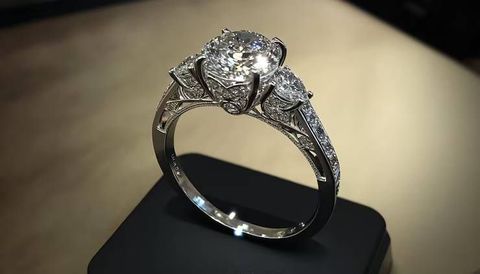
Three-Stone and Pavé Designs
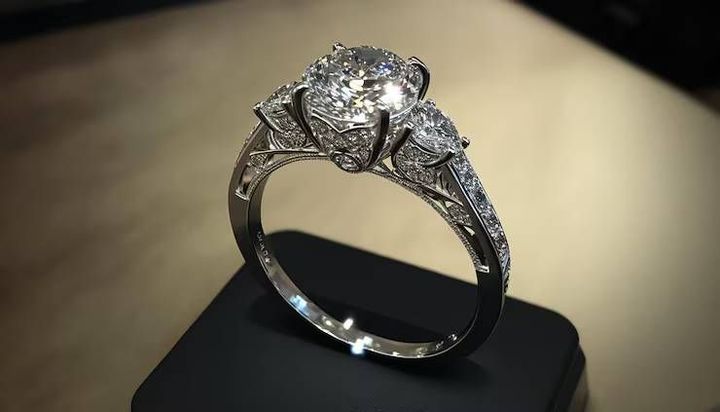
Three-stone rings feature a central oval diamond accompanied by two smaller stones. Pavé designs incorporate small diamonds along the band, creating additional surface detail.
The choice between these styles depends on personal preferences, maintenance requirements, and the desired overall appearance.
Factors to Consider Before Purchasing
Diamond Cut, Color, and Clarity
The four commonly discussed diamond quality characteristics are cut, color, clarity, and carat weight.
Cut: Influences brilliance, sparkle, and light performance.
Color: Describes how noticeable yellow or brown tones are.
Clarity: Refers to naturally occurring internal or external characteristics.
Carat: Measures the diamond's weight rather than its physical dimensions.
These characteristics should be considered together rather than evaluating one specification independently.
Natural and Lab-Grown Diamonds
Natural oval diamond rings contain diamonds formed through geological processes over long periods. Lab grown oval diamond rings contain diamonds produced in controlled environments.
Both types have essentially the same chemical composition and crystal structure. Their origins, market positioning, and grading documentation can differ.
Choosing the Appropriate Carat Size
A 2 carat oval diamond ring may have a noticeable appearance because of its weight and elongated shape. However, two diamonds with identical carat weights can have different visible dimensions.
Comparing measurements in millimeters alongside carat weight provides a clearer understanding of the diamond's actual proportions.
Diamond Quality and Ring Comparison
The following table summarizes common considerations when evaluating oval diamond rings.
| Feature | What to Examine |
|---|---|
| Shape | Length and width proportions |
| Cut | Brightness and light reflection |
| Color | Visible color characteristics |
| Clarity | Internal and external inclusions |
| Setting | Security and design |
| Metal | Gold, platinum, or other materials |
| Certification | Independent grading documentation |
An independent grading report can provide information about a diamond's characteristics. Comparing reports from recognized gemological laboratories helps clarify differences between individual stones.
Pricing and Customization Considerations
Understanding Price Differences
Oval engagement rings price comparisons can vary according to diamond origin, carat weight, cut quality, clarity, color, and setting materials.
Natural and laboratory-grown diamonds may have different market valuations. The overall ring price also depends on the metal, craftsmanship, and additional gemstones.
Reviewing these factors separately helps individuals understand why similar-looking rings can have different prices.
Custom Ring Design
Custom oval diamond engagement rings allow individuals to consider specific dimensions, metal types, band widths, and setting arrangements.
Before finalizing a design, it is useful to review a detailed specification covering diamond measurements, metal purity, setting structure, and maintenance requirements.
Care and Maintenance of Oval Diamond Rings
Regular maintenance helps preserve the appearance and structural condition of diamond jewelry.
Practical care recommendations include:
Clean the ring using an appropriate gentle cleaning method.
Avoid exposing delicate settings to unnecessary physical impact.
Store jewelry separately to reduce scratching.
Arrange periodic inspections to check prongs and settings.
Follow manufacturer guidance for cleaning and maintenance.
Professional inspection may help identify loose stones or worn components before they develop into larger concerns.
Frequently Asked Questions
Are oval diamond rings suitable for everyday wear?
They can be suitable for regular wear when properly designed and maintained. Setting security and metal durability are important considerations.
Do oval diamonds appear larger than round diamonds?
Their elongated shape can create a larger-looking surface appearance compared with some round diamonds of similar weight. Actual dimensions vary.
Are natural and lab-grown oval diamonds different?
Their origin differs, but both have essentially the same chemical and physical properties. Grading documentation can help explain individual characteristics.
What setting works with oval diamonds?
Solitaire, halo, hidden halo, and three-stone settings are common choices. Selection depends on appearance, comfort, and protection.
Conclusion
Oval diamond rings combine distinctive proportions with several design possibilities. Understanding diamond quality, settings, materials, certification, and maintenance provides a practical foundation for comparing different rings. Careful evaluation of these characteristics helps individuals make informed jewelry decisions.