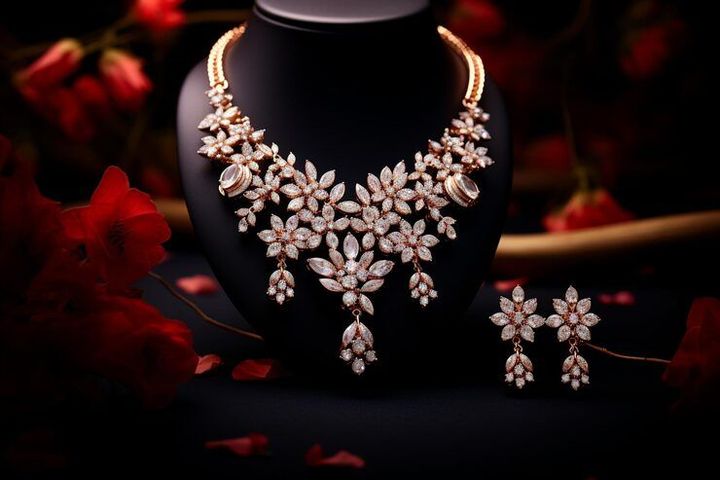
Luxury Jewellery Guide: Fine Jewellery Types, Craftsmanship, Materials and Design Features
A Luxury Jewellery Guide explains the different types of fine jewellery, the materials used in its production, traditional craftsmanship, and the design features that distinguish individual pieces. Jewellery has a long history across civilizations, where people used decorative objects to express cultural identity, mark important occasions, represent family traditions, and display artistic skill.
Context
A Luxury Jewellery Guide explains the different types of fine jewellery, the materials used in its production, traditional craftsmanship, and the design features that distinguish individual pieces. Jewellery has a long history across civilizations, where people used decorative objects to express cultural identity, mark important occasions, represent family traditions, and display artistic skill. Early jewellery was made from materials such as shells, bones, stones, and metals before techniques developed to incorporate precious metals and gemstones.
Today, luxury jewellery includes rings, necklaces, bracelets, earrings, pendants, and other decorative pieces made with materials such as gold, platinum, diamonds, and colored gemstones. Some designs follow traditional methods, while others incorporate modern technology and contemporary artistic influences. Understanding these differences helps people recognize how material quality, construction, design, and cultural meaning contribute to a jewellery piece.
Understanding Fine Jewellery Types
Fine jewellery generally refers to pieces made with precious metals and, in many cases, natural or laboratory-grown gemstones. The term can be used differently by retailers and industry participants, so the material composition and product description provide important details.
Common types include:
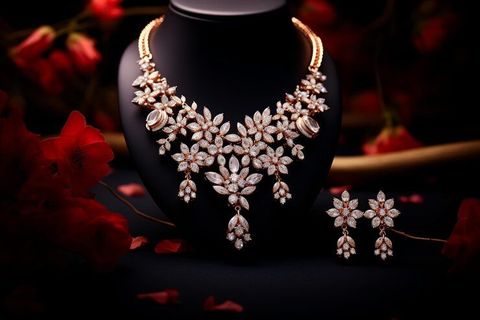
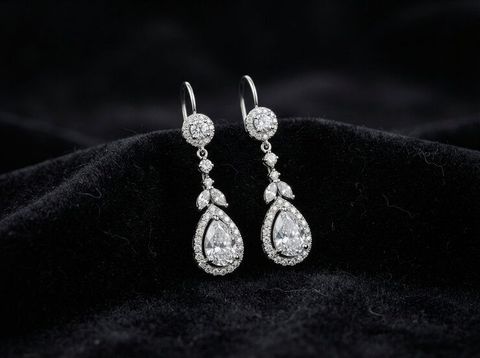
Diamond jewellery: Pieces featuring diamonds in rings, earrings, necklaces, or bracelets.
Gold jewellery: Designs made from gold alloys in different purity levels and colors.
Platinum jewellery: Pieces made from a dense, naturally white precious metal.
Gemstone jewellery: Designs incorporating stones such as sapphires, rubies, emeralds, or other colored gems.
Pearl jewellery: Necklaces, earrings, and other pieces featuring natural or cultured pearls.
Designer jewellery: Pieces distinguished by a particular artistic style, construction method, or design identity.
These categories can overlap. For example, a gold ring may contain a diamond center stone and smaller colored gemstones, combining several materials and design techniques in one piece.
Importance
Understanding luxury jewellery matters because material descriptions, craftsmanship, and design features influence appearance, durability, maintenance, and personal suitability. Jewellery may be worn daily, kept for special occasions, passed between generations, or selected to represent cultural and family traditions.
People may also find it difficult to distinguish between metal purity, gemstone quality, surface treatments, and different stone origins. A detailed understanding of these factors makes jewellery descriptions easier to interpret and helps clarify differences between visually similar pieces.
Materials Used in Luxury Jewellery
The choice of material affects a piece's color, weight, strength, maintenance requirements, and overall appearance.
Gold: Gold is commonly measured in karats, which indicate the proportion of pure gold in an alloy. For example, 18-karat gold contains 75% gold, while 14-karat gold contains approximately 58.3% gold. Other metals are added to change the alloy's color and physical properties.
Platinum: Platinum is naturally white and is used in jewellery settings, rings, and other designs. Its density and physical characteristics influence the way it feels and behaves during wear. The actual composition depends on the alloy specification.
Diamonds: Diamonds are valued for their hardness, optical properties, and appearance. Their characteristics are commonly assessed through the four Cs: cut, color, clarity, and carat weight. These measurements describe different aspects of a diamond and should not be treated as interchangeable.
Colored gemstones: Rubies, sapphires, emeralds, and other gemstones vary in color, transparency, durability, and origin. Some stones undergo treatments to change or improve their appearance, making disclosure of relevant treatments important.
Pearls: Pearls may be natural or cultured. Their appearance is influenced by factors such as luster, surface condition, shape, size, and color. Because pearls are comparatively sensitive to chemicals and abrasion, they require appropriate care.
Comparing Common Jewellery Materials
| Material | Main characteristic | General care consideration |
|---|---|---|
| 18-karat gold | 75% gold content | Protect from scratches and impacts |
| 14-karat gold | Approximately 58.3% gold content | Clean according to the alloy and finish |
| Platinum | Dense, naturally white metal | Check settings and surface condition |
| Diamond | High hardness and distinctive optical properties | Inspect settings and clean appropriately |
| Emerald | Colored gemstone often associated with visible inclusions | Avoid unsuitable chemicals and sudden impacts |
| Pearl | Organic gem material with a lustrous surface | Limit contact with cosmetics and harsh cleaners |
Actual durability depends on the complete alloy, gemstone characteristics, setting, design, and pattern of wear.
Craftsmanship and Construction Methods
Craftsmanship refers to the skills and techniques used to shape, assemble, finish, and inspect jewellery. Traditional methods may include hand engraving, stone setting, casting, polishing, and forming metal components.
Different construction methods create different results. Casting shapes molten metal within a mold, while forging and forming use mechanical force to shape metal. Engraving adds patterns or lettering to a surface, and stone setting secures a gemstone within a prepared structure.
Stone setting requires particular attention because the design must hold the gemstone securely while allowing the intended appearance. Common methods include prong, bezel, pavé, channel, and flush settings. Each method affects the amount of visible metal, the exposure of the stone, and the ease of maintenance.
Recent Updates
Luxury jewellery design continues to combine traditional craftsmanship with digital design, changing consumer preferences, and greater attention to material transparency. Developments during 2024–2026 have included wider use of computer-aided design, increasing visibility of laboratory-grown diamonds, and more detailed discussions about gemstone origin and responsible sourcing. Adoption differs among manufacturers, designers, and markets.
Digital Design and Modern Production
Computer-aided design allows jewellery designers to create detailed digital models before a piece is produced. These models can help evaluate dimensions, stone placement, proportions, and structural features. Three-dimensional printing may also be used to create models or casting patterns, depending on the production process.
These technologies do not eliminate the need for skilled craftsmanship. Finishing, gemstone setting, polishing, and quality inspection can still require substantial manual work. Digital tools mainly change how certain designs are developed, tested, and prepared for production.
Laboratory-Grown Diamonds and Material Transparency
Laboratory-grown diamonds have the same basic chemical composition and crystal structure as natural diamonds, although their formation processes differ. They are not the same as diamond imitations such as cubic zirconia or moissanite, which have different compositions and properties.
Clear identification matters because stone origin can affect how a piece is described and evaluated. Independent gemological reports may identify whether a diamond is laboratory-grown or natural and document relevant characteristics. Such reports should be checked against the specific stone and its identifying details.
Attention to sourcing has also increased in jewellery discussions. Documentation about precious metals and gemstones may provide information about origin, supply chains, and relevant production practices. The level of traceability varies, and a general claim about responsible sourcing does not establish that every material has been independently verified.
Laws or Policies
Luxury jewellery is affected by rules concerning product descriptions, precious-metal purity, gemstone identification, consumer protection, and the movement of materials across borders. Requirements vary by country, and regulations may differ according to the product type and transaction.
Jewellery Hallmarking in India
In India, the Bureau of Indian Standards (BIS) operates a hallmarking framework for specified precious-metal jewellery. Hallmarking helps identify the declared purity of covered articles and supports greater consistency in metal identification. Applicable requirements, exemptions, and implementation details depend on current regulations.
Consumers can consult the official BIS website for information about hallmarking, recognized marks, and relevant verification procedures. Hallmark details should be interpreted according to the applicable marking system rather than relying solely on a product's appearance or a seller's description.
Gemstone Disclosure and Consumer Protection
Jewellery descriptions should accurately identify materials and avoid misleading representations. Information about metal purity, gemstone type, laboratory-grown origin, treatments, and imitation materials may be important when evaluating a product.
India's Consumer Protection Act, 2019, provides a legal framework addressing consumer rights and specified unfair trade practices. Its application depends on the circumstances and relevant legal provisions. Buyers and owners should retain invoices, certificates, hallmark details, and written product descriptions when these documents are available.
For international transactions, import duties, customs declarations, and restrictions relating to particular materials may also apply. Requirements should be checked for the relevant countries and the specific jewellery item.
Tools and Resources
Several resources help explain jewellery materials, design terminology, gemstone characteristics, and metal purity. Their purpose is to support understanding, while the accuracy of a particular assessment depends on the available information and the tool used.
Gemstone and Metal Reference Resources
The Gemological Institute of America (GIA) publishes educational information about diamonds, colored gemstones, pearls, and gem identification. Its grading and identification resources explain terminology used in professional gemological reports.
The Bureau of Indian Standards provides information about precious-metal hallmarking in India. These resources can help readers understand purity marks and distinguish material descriptions from independent assessments.
Jewellery Design and Identification Tools
Computer-aided design software is used by jewellery professionals to model rings, pendants, settings, and other forms. Digital design viewers can help explain dimensions and proportions, although a digital rendering cannot fully represent the physical appearance of every metal or gemstone.
Useful reference materials include:
Metal purity charts: Explain karat values and precious-metal fineness.
Diamond grading reports: Document specified characteristics and stone identification details.
Gemstone identification reports: Describe the identity and relevant characteristics of a tested stone.
Jewellery care guides: Explain cleaning and storage methods suitable for particular materials.
Hallmark verification resources: Help interpret applicable precious-metal markings.
No single digital tool can confirm every aspect of a jewellery piece. Laboratory examination or assessment by a qualified professional may be necessary when material identity or authenticity is uncertain.
FAQs
What is considered luxury jewellery?
Luxury jewellery commonly includes pieces made with precious metals, gemstones, and carefully executed designs. The term is broad, so material composition, craftsmanship, and product documentation provide more specific information.
What materials are commonly used in fine jewellery?
Gold, platinum, diamonds, colored gemstones, and pearls are widely used. Some pieces combine several materials, while others focus on metalwork or a single gemstone.
How can the quality of diamond jewellery be understood?
Diamond quality is commonly described through cut, color, clarity, and carat weight. A gemological report can document specific characteristics, while the setting and overall construction also affect the finished piece.
What is the difference between natural and laboratory-grown diamonds?
Natural diamonds form through geological processes, while laboratory-grown diamonds are produced using controlled technological processes. Both are diamond, but their origins differ and can be identified through appropriate gemological testing.
What does jewellery hallmarking mean in India?
Hallmarking is a system used to indicate the purity of specified precious-metal articles under applicable standards. BIS provides information about the relevant marking framework and verification procedures.
Conclusion
Luxury jewellery combines material selection, craftsmanship, gemstone characteristics, and design features to create a wide range of decorative pieces. Understanding metal purity, stone identification, setting methods, and maintenance requirements helps explain the differences between jewellery items. Digital design tools and laboratory-grown gemstones are also influencing modern production and material transparency. Hallmarking, accurate descriptions, and relevant consumer-protection rules provide additional context for understanding fine jewellery.