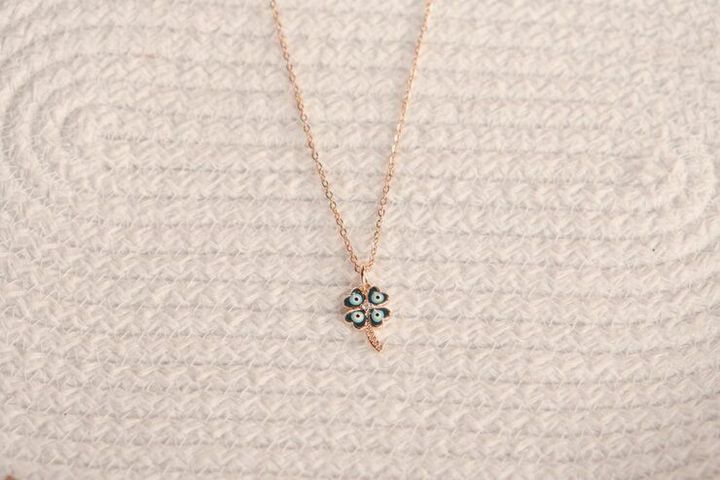
Simple Daily Wear Pendants Explained: Styles, Materials, Designs, Features and Styling Considerations
Daily wear pendants are small pieces of jewellery designed to fit naturally into regular clothing and everyday routines. They can be made from metals, gemstones, enamel, glass, wood, or combinations of materials, and may feature simple shapes, symbols, letters, or decorative patterns. Understanding styles, materials, designs, features, and styling considerations can help readers understand how these pendants differ and how they are commonly worn.
Context
What Are Daily Wear Pendants?
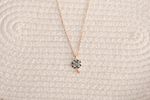
A pendant is a decorative element that usually hangs from a chain, cord, or similar neckwear. A daily wear pendant generally has a simple form that can be used with ordinary clothing rather than being associated only with formal events.
Pendant traditions have existed across many cultures for centuries. Earlier forms included natural objects, religious symbols, protective motifs, seals, and personal ornaments. Modern daily wear pendants continue this tradition while using a wider range of shapes and materials.
Common Pendant Styles
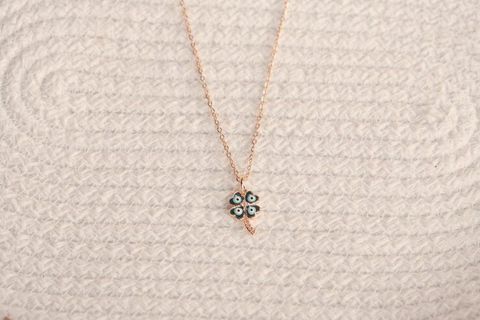
Simple daily wear pendants can be grouped by their visual design and construction. Common styles include geometric shapes, small discs, initials, nature-inspired forms, symbolic motifs, and understated gemstone settings.
Some pendants have a flat surface, while others are shaped or layered. The choice can affect how the pendant sits against clothing and how much visual detail is visible from a normal viewing distance.
Materials Used in Pendants
Materials influence appearance, weight, durability, maintenance, and suitability for different routines. Common options include:
- Gold and gold alloys
- Silver and silver alloys
- Stainless steel
- Platinum
- Titanium
- Enamel
- Natural or laboratory-created gemstones
- Glass, ceramic, wood, and other decorative materials
Material labels can describe either the main metal or a surface treatment. For example, a plated pendant may have a thin layer of one metal over another base material, so the underlying construction can matter when considering care and everyday use.
Importance
Why Daily Wear Pendants Matter
A pendant can be a practical way to add a small decorative element to ordinary clothing. Because pendants are available in many sizes and shapes, they can suit different preferences without requiring elaborate jewellery combinations.
Daily wear also means that a pendant may experience repeated contact with skin, clothing, moisture, cosmetics, and household substances. These conditions can gradually affect surfaces, finishes, chains, and decorative elements.
Everyday Considerations
When understanding simple daily wear pendants, several factors are relevant:
- Weight: A lightweight pendant may feel different from a larger or layered design during extended wear.
- Size: Smaller pendants tend to create a subtle appearance, while larger shapes are more visually noticeable.
- Surface: Polished, textured, matte, and coated surfaces can respond differently to handling and cleaning.
- Fastening: Clasps, loops, and chain connections affect how the pendant is attached.
- Compatibility: The pendant should be considered together with the chain, neckline, and clothing material.
- Maintenance: Different materials require different cleaning and storage practices.
Skin sensitivity can also matter. Some people may react to particular metals or coatings. Material information can therefore be useful when considering jewellery intended for regular contact with the skin.
Pendants and Personal Style
Styling considerations often depend on neckline, clothing texture, pendant size, and the visual complexity of other accessories. A simple pendant can appear different when worn with a round neckline, a collared shirt, or a layered outfit.
For a balanced appearance, some people coordinate the pendant's shape or metal tone with other accessories. Others use contrast deliberately. These are style choices rather than fixed rules.
Recent Updates
Jewellery Trends From 2024–2026
Recent jewellery trends have continued to include simple, versatile designs that can move between casual and more structured outfits. Small geometric pendants, initials, symbolic shapes, layered necklaces, and mixed-metal combinations have remained visible across fashion and jewellery discussions.
Personalisation has also continued to influence pendant design. Initials, meaningful symbols, birth-related motifs, and simplified representations of natural forms can provide visual or personal significance without requiring complex construction.
Material awareness has become another part of jewellery discussions. Readers increasingly encounter information about recycled metals, laboratory-created gemstones, plating, metal purity, and material sourcing. These subjects are relevant because the material affects appearance, maintenance, durability, and the way a pendant is made.
Digital jewellery tools have also developed. Online size guides, virtual try-on features, product specification pages, and jewellery design software can help people understand dimensions and visual proportions before making decisions. Such tools vary in accuracy, so screen-based representations do not always match physical appearance exactly.
Current Design Direction
The current direction can be described as a mix of minimal forms and personal details. Rather than one fixed style, the range includes tiny pendants, layered pieces, symbolic designs, textured surfaces, and combinations of different materials.
This variety means that the term daily wear pendant describes a use pattern more than one specific design category. A pendant is suitable for regular use only when its material, construction, comfort, and maintenance requirements fit the wearer's routine.
Laws or Policies
Jewellery Rules in India
In India, jewellery made from precious metals can be subject to hallmarking and purity requirements administered by the Bureau of Indian Standards (BIS). Hallmarking is intended to provide information about the purity of certain precious-metal articles and supports consumer understanding of metal quality.
The rules and categories covered by hallmarking can change, so current information should be checked through official BIS resources when purity or hallmark requirements are relevant to a particular item.
Consumer and Product Information
Jewellery descriptions can also be affected by general consumer protection and measurement requirements. Information about metal composition, purity, weight, dimensions, and other material characteristics should be presented accurately.
For precious-metal jewellery, readers may encounter terms such as fineness, hallmark, assay, and HUID. These terms relate to identifying and communicating information about precious-metal articles. Official government resources should be used when checking current requirements.
Import and Trade Considerations
Imported jewellery can be subject to customs, taxation, and other trade rules. Requirements may differ according to material, product classification, origin, and transaction type. These rules are separate from general styling or design considerations.
Tools and Resources
Helpful Online Resources
Several resources can help readers understand daily wear pendants and jewellery specifications:
- BIS resources: Official information about hallmarking and standards in India.
- Jewellery size guides: Reference charts can explain dimensions, chain lengths, and pendant proportions.
- Unit converters: Useful for converting millimetres, centimetres, grams, and other measurements.
- Jewellery care guides: Material-specific guidance can explain cleaning, storage, and handling.
- Design software: Digital tools can help illustrate pendant shapes, dimensions, and basic layouts.
- Virtual try-on tools: Some jewellery platforms provide visual previews of how a pendant may appear around the neckline.
A product specification page can also help readers compare dimensions, material descriptions, metal purity, and fastening details. The information should be read as a description of the particular item rather than as a universal statement about all pendants.
Basic Pendant Comparison
| Feature | Small Pendant | Medium Pendant | Larger Pendant |
|---|---|---|---|
| Visual presence | Subtle | Moderate | More noticeable |
| Typical use | Everyday outfits | Everyday and occasion wear | Statement-oriented outfits |
| Weight considerations | Usually lower | Varies by material | Can be higher |
| Layering | Easy to combine | May need spacing | Requires more visual space |
| Neckline effect | Usually limited | More noticeable | Stronger styling effect |
FAQs
What are simple daily wear pendants?
Simple daily wear pendants are small or moderately sized decorative pieces designed for regular use. They can use plain shapes, initials, symbols, gemstones, or other details and may be made from several types of metal or decorative material.
Which materials are commonly used in daily wear pendants?
Gold alloys, silver alloys, stainless steel, platinum, titanium, enamel, gemstones, glass, ceramic, and wood are among the materials used in pendant designs. Material properties can affect weight, appearance, maintenance, and skin contact.
How should daily wear pendants be styled?
Styling depends on the pendant's size, shape, chain length, neckline, and other accessories. Simple designs can be paired with everyday clothing, while larger or more detailed designs may create a stronger visual focus.
What should be checked when choosing a pendant material?
Readers can check the stated metal type, purity information where relevant, surface finish, decorative materials, dimensions, fastening design, and care instructions. People with known metal sensitivities may also need to review material information carefully.
What are current pendant design trends?
Recent trends include small geometric shapes, initials, symbolic motifs, layered necklaces, mixed-metal looks, textured finishes, and personalised elements. These styles can vary across regions and fashion communities.
Conclusion
Simple daily wear pendants cover a broad range of small jewellery designs, materials, shapes, and personal motifs. Their everyday suitability depends on factors such as weight, construction, material, fastening, comfort, and maintenance needs. In India, hallmarking and consumer information rules can also be relevant when precious metals are involved. Understanding these factors provides a clearer basis for interpreting pendant specifications and everyday styling choices.