Lifting Equipment Explained: Types, Components, Applications, Benefits and Safety Considerations
Lifting equipment refers to machines, devices, and accessories used to raise, lower, move, or position heavy loads. A Lifting Equipment Guide helps explain how these systems work, where they are used, and what safety factors should be considered. Common examples include cranes, hoists, lifting tables, winches, jacks, slings, shackles, and lifting clamps.
The development of lifting equipment is closely connected with construction, manufacturing, transportation, warehousing, mining, and other industries that regularly handle materials heavier than people can safely move manually. Modern systems use mechanical, hydraulic, electrical, or pneumatic principles to control loads.
Lifting equipment can range from relatively simple devices to complex crane systems. The appropriate type depends on the load, lifting height, movement required, working environment, and operating conditions.
Common Types of Lifting Equipment
Different lifting systems are designed for different tasks. Common categories include:
- Cranes for lifting and moving loads across defined work areas.
- Hoists for raising and lowering loads vertically.
- Winches for pulling or lifting loads using a wound cable, rope, or chain.
- Hydraulic jacks for raising heavy objects over relatively short distances.
- Lifting tables for adjusting the height of materials or workpieces.
- Slings and shackles for connecting loads to lifting machines.
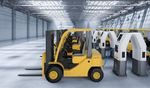
- Forklifts for lifting and transporting palletized materials.
- Lifting clamps for gripping particular types of materials.
Each system has specific operating limits and attachment requirements.
Importance
Lifting equipment plays an important role wherever heavy materials must be moved in a controlled manner. Construction sites may use cranes for structural materials, while factories can use overhead systems to move components between workstations.
Warehouses, ports, shipyards, mines, and maintenance facilities also rely on lifting equipment for material handling. Using mechanical lifting systems can reduce the amount of manual force required and allow heavy loads to be positioned more precisely.
Problems Addressed by Lifting Systems
Manual handling becomes increasingly difficult as the weight, dimensions, or position of a load increases. Lifting equipment can address several practical challenges:
- Moving heavy materials over defined distances.
- Raising loads to elevated working positions.
- Positioning machinery during installation or maintenance.
- Loading and unloading materials.
- Moving components between production areas.
- Handling loads that are difficult to grip manually.
The equipment does not remove the need for careful planning. Operators and other workers must understand the equipment's limitations and the characteristics of the load.
Selecting Equipment for a Task
The selection process generally considers the load's weight, dimensions, shape, lifting height, travel distance, frequency of use, and surrounding environment.
The center of gravity is also important. An unevenly distributed load can shift during lifting if it is not properly attached or balanced. The lifting method therefore needs to account for both the equipment capacity and the characteristics of the load.
Recent Updates
Greater Use of Electrification
From 2024 through 2026, equipment manufacturers and industrial operators have continued exploring electrically powered lifting systems. Electric motors can be used in cranes, hoists, forklifts, and other material-handling equipment.
Electrification can also be combined with battery systems in applications where equipment needs to operate without direct connection to a fixed power source. The suitability of these systems depends on operating conditions, duty cycles, and infrastructure.
Digital Monitoring
Digital monitoring is becoming more common in modern lifting equipment. Sensors and control systems can collect information about operating conditions, load activity, equipment usage, and maintenance requirements.
Some systems can provide alerts when operating conditions approach defined limits. These technologies can support inspection and maintenance programs, although they do not replace required safety procedures or trained personnel.
Automation and Remote Operation
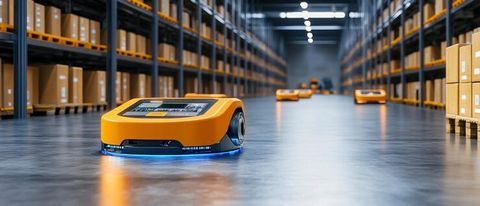
Automation is also being applied to selected lifting operations. Automated cranes and material-handling systems can follow predefined movement patterns within controlled environments.
Remote controls are used in some industrial applications to allow operators to control equipment from a position away from the immediate load area. The specific technology varies according to the equipment and work environment.
Emphasis on Inspection
Regular inspection remains an important part of lifting equipment management. Organizations increasingly use digital records to document inspections, maintenance activities, equipment identification, and operating history.
Electronic records can make it easier to organize information, but the inspection itself still needs to follow applicable technical and workplace requirements.
Laws or Policies
Lifting equipment is generally subject to workplace safety requirements, equipment standards, inspection rules, and operator requirements. The exact rules depend on the country, industry, equipment category, and working environment.
Lifting Equipment in India
In India, workplace safety requirements can involve central and state-level legislation, factory regulations, occupational safety provisions, and technical standards. The Occupational Safety, Health and Working Conditions Code, 2020 provides a broader framework concerning occupational safety and working conditions, while specific requirements can also apply through applicable rules and standards.
Indian Standards published by the Bureau of Indian Standards cover various types of cranes, lifting appliances, wire ropes, hooks, slings, and related equipment. Organizations should identify the standards applicable to their particular equipment and operation.
Inspection and Maintenance
Lifting equipment may require periodic inspection, testing, examination, and maintenance according to the applicable regulations, standards, and manufacturer instructions.
Important records can include:
- Equipment identification.
- Rated capacity.
- Inspection results.
- Maintenance history.
- Repairs and replacements.
- Operator or examiner information where required.
- Records of identified defects and corrective actions.
Equipment with damaged components or uncertain operating conditions should be evaluated according to the applicable safety procedure before further use.
Operator Safety
Certain lifting equipment requires trained or authorized operators. Training requirements can depend on the equipment type and workplace rules.
Workers should understand load limits, controls, attachment methods, emergency procedures, and hazards associated with suspended loads. People should not stand or work beneath suspended loads unless a specific controlled procedure and applicable safety requirements permit it.
Tools and Resources
Several resources can help organizations and individuals understand lifting equipment and organize related information.
Load-Capacity Information
Manufacturer manuals and equipment specifications provide important information about rated capacity, operating limits, attachment points, and intended applications. These documents should be consulted before equipment is used.
Capacity information should not be interpreted as a general allowance for every lifting configuration. Factors such as lifting angle, reach, attachment arrangement, and working environment can affect the permitted load.
Inspection Checklists
A lifting equipment inspection checklist can help organize routine checks. Depending on the equipment, inspection points may include:
- Hooks and latches.
- Wire ropes or chains.
- Slings and attachment devices.
- Brakes and controls.
- Hydraulic components.
- Electrical systems.
- Structural components.
- Safety devices and limit switches.
The exact inspection criteria should correspond to the equipment type and applicable requirements.
Training Resources
Manufacturers, recognized training organizations, industry associations, and government workplace-safety authorities publish educational material relating to lifting operations.
Technical manuals can help explain equipment operation, while safety guidance can provide information about hazard identification, load handling, inspection, and emergency procedures.
Planning Tools
A lifting plan can document important information before a complex lifting operation. It may include the load characteristics, equipment selection, lifting points, travel path, ground conditions, personnel responsibilities, and communication arrangements.
For straightforward operations, workplaces may use established procedures. More complex lifts generally require more detailed planning based on site conditions and the characteristics of the load.
FAQs
What is lifting equipment?
Lifting equipment includes machines and accessories designed to raise, lower, move, or position loads. Examples include cranes, hoists, winches, jacks, slings, shackles, and lifting tables.
What are the main types of lifting equipment?
Common types include overhead cranes, mobile cranes, hoists, winches, forklifts, hydraulic jacks, lifting tables, slings, shackles, and lifting clamps. Each type is designed for particular load-handling conditions.
What components are used with lifting equipment?
Components vary by equipment type but can include hooks, chains, wire ropes, drums, sheaves, brakes, motors, hydraulic cylinders, control systems, slings, shackles, and safety devices.
What safety considerations apply to lifting equipment?
Important considerations include rated capacity, proper load attachment, equipment condition, operator training, inspection, communication, ground conditions, and keeping people away from hazardous areas around suspended loads.
How often should lifting equipment be inspected?
Inspection frequency depends on the equipment, operating conditions, applicable regulations, standards, and manufacturer instructions. Routine checks and periodic examinations should follow the requirements applicable to the particular workplace and equipment.
Conclusion
Lifting equipment provides mechanical assistance for raising, lowering, transporting, and positioning heavy loads across many industries. Cranes, hoists, forklifts, winches, jacks, slings, and related components have different capabilities and operating requirements. Safe lifting depends on appropriate equipment selection, load assessment, inspection, maintenance, operator competence, and compliance with applicable rules. Digital monitoring, electrification, and automation are continuing to influence the development and management of modern lifting systems.