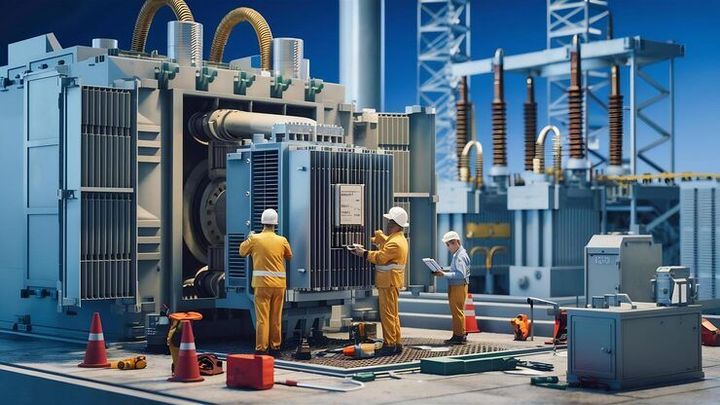
Industrial Cooling Tower Management Systems: Fundamentals and Applications
Industrial cooling tower management systems help factories and large facilities remove unwanted heat from water used in industrial processes. They combine monitoring equipment, control systems, water management practices, and maintenance procedures to keep cooling operations stable and efficient.
Many industrial processes generate heat during production. Machines, compressors, heat exchangers, and other equipment must remain within suitable operating temperature ranges. If excess heat is not removed, equipment performance may decline, production may become unstable, and components may experience premature wear.
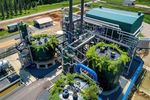
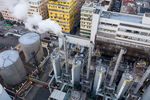
A cooling tower transfers unwanted heat from circulating water into the surrounding air. Depending on the design, it uses evaporation, airflow, or a combination of heat-transfer methods to lower the water temperature.
A management system oversees the cooling tower's operating conditions. It may include sensors, controllers, water treatment equipment, pumps, fans, alarms, and digital monitoring software.
How a Cooling Tower Management System Works
The basic process begins when warm water returns from industrial equipment to the cooling tower. The tower exposes the water to airflow, allowing heat to move into the air. In evaporative systems, a small portion of the water evaporates, removing heat from the remaining water.
The cooled water then returns to the industrial process, and the cycle continues.
A management system monitors important operating variables, including:
Water temperature at the inlet and outlet.
Circulating water flow and pump performance.
Fan operation, vibration, and motor load.
Water conductivity, pH, and treatment conditions.
Water levels, makeup water, and blowdown.
Alarms, unusual operating patterns, and equipment faults.
The exact functions depend on the tower design, industrial application, and level of automation.
Importance of Cooling Tower Management in Modern Industry
Improving Energy Efficiency
Cooling towers influence the energy performance of many industrial facilities. Fans and pumps require electricity, while poor heat transfer can increase the workload of connected chillers, condensers, and production equipment.
A well-managed system helps operators identify unnecessary energy use and maintain suitable cooling conditions.
Important energy management practices include:
Adjusting fan speed according to cooling demand.
Monitoring pump pressure and water flow.
Cleaning heat-transfer surfaces and fill materials.
Checking motor performance and mechanical alignment.
Comparing energy consumption with cooling output.
Variable-frequency drives can adjust fan and pump speeds as operating conditions change. However, their effectiveness depends on equipment design, control settings, and the cooling load.
Water Conservation and Quality Control
Evaporative cooling towers consume water through evaporation, drift, and blowdown. Drift consists of small water droplets carried away by the airflow, while blowdown removes a portion of circulating water to control dissolved minerals.
Water management systems monitor these losses and help maintain appropriate water chemistry.
Common water quality indicators include:
pH: Indicates whether water is acidic or alkaline.
Conductivity: Helps estimate the concentration of dissolved ions.
Hardness: Indicates the presence of calcium and magnesium minerals.
Turbidity: Measures water cloudiness associated with suspended particles.
Disinfectant residual: Helps verify whether the treatment process is maintaining its intended chemical level.
These measurements help reduce scale formation, corrosion, and biological growth. The appropriate limits depend on the water source, materials, treatment program, and system design.
Protecting Equipment and Public Health
Poor cooling tower management can contribute to corrosion, blocked passages, reduced heat transfer, and unexpected equipment shutdowns. Biological growth may also affect system performance.
Another important concern is Legionella, a bacterium that can grow in poorly maintained water systems and spread through airborne water droplets. Exposure to contaminated aerosols can cause Legionnaires' disease, a potentially serious form of pneumonia.
The US Centers for Disease Control and Prevention recommends structured water management programs, routine monitoring, cleaning, disinfection, and automated treatment controls where appropriate. These measures help manage risks but do not guarantee that contamination will never occur.
Essential Components of a Management System
Component | Primary function |
|---|---|
Temperature sensors | Track water temperatures and cooling performance |
Flow meters | Measure circulating water movement |
Conductivity sensors | Support dissolved-solids management |
pH instruments | Monitor water chemistry |
Automated controllers | Adjust operating settings using defined logic |
Fan and pump drives | Regulate motor speed where suitable |
Chemical dosing equipment | Control treatment chemicals |
Monitoring software | Display trends, alarms, and operating records |
Some facilities use a basic control panel, while others integrate cooling towers into a plant-wide supervisory control and data acquisition (SCADA) system or building management system (BMS).
Industrial Applications
Cooling tower management systems are used across several sectors.
Power generation: Help maintain condenser cooling and support stable plant operation.
Chemical processing: Remove heat from reactors, condensers, and other process equipment.
Steel and metal production: Support cooling for furnaces, rolling equipment, and hydraulic systems.
Pharmaceutical manufacturing: Help control temperatures in process utilities and facility cooling loops.
Data centers: Manage heat rejection from cooling equipment that serves computing infrastructure.
Food processing: Support refrigeration and process cooling where system design and hygiene requirements permit.
Each industry has different operating conditions. For example, a power plant may prioritize condenser performance, while a pharmaceutical facility may place additional emphasis on documented monitoring and contamination risk management.
Recent Developments in Cooling Tower Technology
Digital Monitoring and Predictive Maintenance
During 2025 and 2026, digital monitoring, connected sensors, and data-based maintenance continued to be important areas of industrial cooling system development. These technologies help operators identify performance changes before they cause major operational problems.
Instead of relying only on manual inspections, facilities can use continuous monitoring to track temperature differences, vibration, conductivity, fan power, and pump behavior.
Predictive maintenance software can analyze historical readings and flag unusual patterns. For example, a gradual increase in motor vibration may indicate a developing mechanical problem that requires inspection.
Digital monitoring does not replace physical inspections or laboratory testing. Its value depends on sensor quality, correct alarm settings, reliable data, and timely human review.
Automated Water Treatment
Automated water treatment systems can adjust chemical dosing and blowdown using measured conditions. Conductivity-based blowdown control, for instance, helps maintain dissolved-solids levels within a configured range.
Automation can improve consistency and reduce unnecessary water discharge when correctly configured. Operators must still verify sensor calibration, chemical compatibility, treatment limits, and safe handling procedures.
Public Health Guidance Updated in 2025
On January 3, 2025, the CDC published updated online guidance on controlling Legionella in cooling towers. The guidance emphasizes site-specific water management programs, regular monitoring, cleaning and disinfection, control of sediment and biofilm, and automation of relevant treatment processes.
Trends to Watch in 2026
Current areas of interest include:
Artificial intelligence-assisted fault detection.
Digital twins for simulating cooling system performance.
Improved water reuse and treatment monitoring.
Variable-speed controls for fans and pumps.
Remote alarm management and centralized dashboards.
Better integration of energy and water performance data.
Adoption varies by industry and facility. These technologies should be evaluated according to operational needs, data reliability, cybersecurity, and engineering requirements.
Laws, Regulations, and Environmental Policies
Industrial Compliance Requirements
Cooling tower management is affected by environmental protection rules, workplace safety requirements, water discharge regulations, and public health guidance. The exact requirements depend on the country, facility type, cooling tower design, and chemicals used.
Industrial operators should review applicable requirements before installing or modifying a cooling tower management system.
Regulations in India
In India, industrial cooling tower operations may be subject to environmental and workplace requirements, depending on the facility and location.
Important regulatory areas include:
Water pollution control: The Water (Prevention and Control of Pollution) Act, 1974, provides a framework for preventing and controlling water pollution. Applicable discharge conditions may require approval from the relevant pollution control authority.
Environmental protection: The Environment (Protection) Act, 1986, provides the framework for environmental protection and related rules.
Water discharge management: Facilities must assess the applicable requirements for cooling tower blowdown, wastewater treatment, and discharge.
Worker safety: Relevant occupational safety requirements apply to activities such as chemical handling, electrical maintenance, confined-space work, and machinery inspection.
The specific permissions and compliance conditions vary by industry, state, and discharge destination. Facilities should consult the relevant State Pollution Control Board or Pollution Control Committee.
International Standards and Public Health Guidance
In the United States, environmental rules may apply to industrial cooling tower emissions, chemical management, and wastewater discharge. For example, the US Environmental Protection Agency has requirements addressing certain hazardous air pollutant emissions from industrial process cooling towers.
Practical Tools for Industrial Operators
The following tools can support routine monitoring, maintenance planning, and performance evaluation.
Cooling performance calculator: Estimates cooling range and approach using measured water temperatures and local wet-bulb temperature.
Water quality testing equipment: Measures pH, conductivity, hardness, and other relevant parameters.
Energy monitoring dashboard: Tracks fan and pump electricity consumption.
Maintenance checklist: Records inspections, cleaning, vibration checks, and equipment condition.
Water balance spreadsheet: Tracks makeup water, blowdown, and estimated evaporation.
Alarm and trend analysis software: Helps identify unusual changes in operating conditions.
Water management plan template: Documents responsibilities, control limits, monitoring frequency, and corrective actions.
Key Performance Indicators
Indicator | What it helps evaluate |
|---|---|
Cooling range | Difference between hot-water and cold-water temperatures |
Cooling approach | Difference between cold-water temperature and ambient wet-bulb temperature |
Cycles of concentration | Relationship between circulating water and makeup water dissolved-solids levels |
Water consumption | Overall water demand during operation |
Energy intensity | Electricity used relative to cooling output |
Maintenance frequency | Recurring equipment faults and inspection needs |
A smaller cooling approach can indicate better thermal performance under comparable conditions, but weather, load, and tower design must also be considered.
Frequently Asked Questions
What Is an Industrial Cooling Tower Management System?
It is a combination of sensors, controllers, monitoring software, and supporting equipment used to manage cooling tower performance, water quality, energy use, and maintenance activities.
How Does Automation Improve Cooling Tower Performance?
Automation adjusts operating parameters based on measured conditions. It can help regulate fan speed, pump operation, water conductivity, and chemical dosing, provided that sensors and control settings are maintained correctly.
How Can Cooling Tower Water Consumption Be Reduced?
Operators can monitor makeup water and blowdown, control dissolved solids, inspect drift eliminators, and evaluate suitable water reuse methods. Any changes must maintain heat-transfer performance and appropriate water quality.
Why Is Regular Cooling Tower Maintenance Important?
Regular maintenance helps identify scale, corrosion, sediment, mechanical wear, and biological growth. It also supports reliable cooling performance, workplace safety, and public health risk management.
What Factors Should Be Considered When Choosing a Management System?
Important factors include cooling capacity, water chemistry, automation requirements, existing control equipment, environmental conditions, maintenance needs, and applicable regulations. Compatibility with existing plant monitoring systems is also important.
Conclusion
Industrial cooling tower management systems are important for maintaining effective heat removal, controlling water quality, improving energy performance, and supporting reliable industrial operations. Their effectiveness depends on appropriate equipment, accurate monitoring, preventive maintenance, and well-defined operating procedures.