Industrial Cable Cutting Machines: Commercial Buyer Guide & Pricing Factors
Investing in the right industrial cable cutting machine transforms slow manual assembly into a streamlined, high-output manufacturing operation. Whether your facility processes fine electronic leads or thick armored power conductors, choosing reliable commercial wire processing equipment ensures clean cuts, minimal material waste, and rapid return on investment.
Modern electrical assembly lines, automotive harness plants, and utility contractors rely on specialized machinery to slice conductors to exact tolerances.
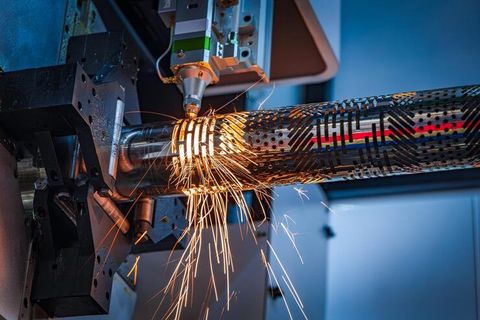
High-performance cutting systems operate using either mechanical blades, pneumatic force, hydraulic pressure, or computerized servo drives.
Primary Types of Cable Cutting Machines
Automatic Wire Cutting and Stripping Machines
An automatic wire cutting and stripping machine serves as the backbone of high-volume wire harness manufacturing and control panel assembly.
Heavy-Duty Hydraulic Cable Cutters
When working with thick underground power lines, submarine cables, or multi-strand armored conductors, a heavy-duty hydraulic cable cutter delivers unmatched shearing force. Available in portable battery-powered designs or stationary electric pump units, hydraulic cutters generate several tons of pressure to slice through dense copper and aluminum cores smoothly.
Pneumatic and Benchtop Cutting Systems
For medium-volume workshops handling flexible tubing, coaxial cables, or flat ribbon wires, a pneumatic cable cutting machine provides a dependable middle ground. Powered by standard factory compressed air, pneumatic cutters actuate hardened steel guillotine blades rapidly with minimal maintenance requirements. These benchtop units fit easily into compact workspaces while maintaining repeatable accuracy across thousands of daily cycles.
Key Buying Factors for Commercial Wire Processing Equipment
Conductor Capacity and Blade Metallurgy
Before requesting a cable cutter machine price quote, audit the thickest and thinnest cables your facility processes regularly. A machine engineered for massive power cables will lack the delicate grip needed for thin electronic hook-up wires.
Drive Motor Precision and Length Tolerance
In automated wire processing, length consistency prevents costly assembly errors downstream.
Workplace Safety and Compliance Standards
Industrial cutting machinery exerts immense force, making integrated safety engineering non-negotiable for factory compliance. Look for transparent protective guards over moving blades, accessible emergency stop buttons, and automatic jam-detection sensors that halt operation immediately if a wire tangles.
Evaluating Return on Investment and Maintenance Costs
Purchasing commercial wire processing machinery is a capital expenditure that quickly pays for itself through labor savings and scrap reduction. While a manual technician might cut a hundred wires per hour with noticeable variance, an automated machine processes several thousand identical pieces per hour unattended. Calculating your current cost per cut against machine throughput typically reveals a payback period of just a few months for active production floors.
To protect your investment over years of heavy operation, factor ongoing maintenance and spare parts availability into your purchasing decision.
Disclaimer: The information provided in this article is for general educational and informational purposes only and does not constitute professional engineering, financial, or industrial safety advice. Equipment specifications, pricing, and workplace safety regulations vary by region and application. Always consult certified machinery engineers, review manufacturer safety manuals, and comply with local occupational safety standards before purchasing or operating industrial cutting equipment.