Hot Press Machines: Commercial Buyer Guide, Types & Prices
Choosing the right hot press machine can transform your daily production speed and boost your profit margins. Whether you press custom apparel or bond heavy wood panels, knowing which commercial equipment fits your workflow saves you from costly mistakes.
A hot press machine is a specialized piece of industrial equipment that applies controlled heat and steady downward pressure to bond, mold, or transfer designs onto raw materials.
Most machines pair a digital temperature controller with an automatic countdown timer and an adjustable pressure system. When the heated upper platen clamps down onto the lower worktable, the combination of thermal energy and mechanical force activates adhesives, cures resins, or permanently embeds sublimation inks into fibers. Because commercial buyers demand repeatable quality, modern presses hold temperatures within a tiny margin of error to prevent scorching delicate fabrics or delaminating expensive wood veneers.
Main Types of Commercial Hot Press Machines
Hydraulic Hot Press Machines
Hydraulic hot press machines use pressurized fluid and heavy-duty cylinders to generate immense, uniform clamping force across wide surfaces.
Pneumatic Heat Press Machines
Pneumatic heat press machines connect to an external air compressor to automate the opening and closing of the heating platen.
Clamshell and Swing-Away Heat Transfer Presses
For apparel decorators and custom gift shops, clamshell and swing-away presses offer compact footprints and fast setup.
Drawer and Rotary Sublimation Presses
High-output garment factories often choose sliding drawer presses or continuous rotary drum machines.
Key Industrial and Commercial Applications
Custom Apparel and Textile Printing
In the garment industry, heat transfer printing equipment is essential for applying heat transfer vinyl, screen-printed plastisol transfers, sublimation dyes, and direct-to-film designs.
Woodworking, Furniture, and Laminate Manufacturing
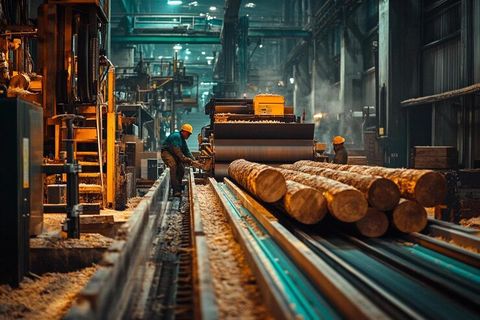
Furniture makers depend on multi-layer industrial woodworking presses to bond decorative veneers, melamine papers, and high-pressure laminates onto particleboard or medium-density fiberboard. Applying heat speeds up glue curing times from hours to mere minutes, allowing cabinet and door factories to move raw boards straight to the finishing line.
Electronics, Composites, and Automotive Parts
Beyond wood and textiles, precision heated presses play a vital role in aerospace, electronics, and automotive manufacturing.
Essential Buying Factors Before You Invest
Platen Size and Heating Uniformity
Before comparing hot press machine prices, measure the largest item you plan to produce.
Pressure Control and Frame Durability
Look for a solid welded steel frame rather than thin cast aluminum or plastic housings that warp under constant clamping stress. Your machine should feature an easy-to-turn pressure adjustment knob or a digital air gauge so you can switch smoothly between delicate polyester jerseys and thick wooden plaques.
Power Requirements, Warranty, and Total Cost
Entry-level craft presses plug into standard household outlets, whereas heavy commercial machines often require dedicated high-voltage wiring or three-phase industrial power. Factor in ongoing electricity usage, replacement Teflon sheets, and local technical support. Buying from an established supplier with a strong heating element warranty protects your business against unexpected production downtime.
Frequently Asked Questions About Hot Press Machines
What is the difference between a heat press and a regular iron?
A regular household iron relies on manual arm strength and leaves cold gaps between steam vents. A commercial hot press machine delivers calibrated, edge-to-edge heat alongside hundreds of pounds of measurable downward force, creating permanent industrial bonds.
How much does a commercial hot press machine cost?
Small business heat transfer presses generally start around two hundred to five hundred dollars for reliable entry models.
Disclaimer: The information provided in this article is for educational and general informational purposes only. Specifications, power requirements, and pricing vary by manufacturer and region. Always consult a qualified equipment technician and review official safety manuals before purchasing or operating industrial heating machinery.