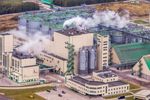
Hydrogen Production Equipment Guide With Clean Energy Technology and Industry Insights
Hydrogen production equipment is becoming increasingly important as industries explore lower-emission energy systems and new methods for producing hydrogen. Hydrogen can be produced through several pathways, including electrolysis, natural-gas-based processes, biomass-related routes, and other emerging technologies.
Among these, renewable-powered electrolysis has received significant attention because it can use electricity from sources such as solar and wind to split water into hydrogen and oxygen. Understanding hydrogen production equipment helps explain how hydrogen is generated, purified, compressed, stored, and prepared for industrial applications.
Context
What Hydrogen Production Equipment Means
Hydrogen production equipment refers to the machines and supporting systems used to generate hydrogen and prepare it for later use. A complete hydrogen production plant can include an electrolyser, water treatment equipment, power-control systems, gas separation units, purification equipment, compressors, storage systems, cooling equipment, sensors, and safety controls.
The equipment required depends on the production method. Conventional hydrogen production can use hydrocarbons as a feedstock, while clean hydrogen systems increasingly use electricity and water. Electrolysis is particularly relevant to clean energy technology because an electrolyser uses electrical energy to separate water molecules into hydrogen and oxygen.
How Electrolysers Work
An electrolyser contains electrodes and an electrolyte or membrane that allow an electrical reaction to take place. Water enters the system, electricity is applied, and hydrogen is separated from oxygen.
Several electrolyser technologies are used or being developed:
- Alkaline electrolysers use an alkaline electrolyte and are widely associated with large-scale hydrogen production.
- Proton exchange membrane, or PEM, electrolysers use a polymer membrane and can respond rapidly to changing electricity input.
- Solid oxide electrolysers operate at high temperatures and can use heat as part of the electrochemical process.
- Membrane-less and other emerging designs are being developed for different operating conditions and applications.
The electrolyser is only one part of a hydrogen production system. Water purification, electrical conversion, gas drying, purification, compression, and monitoring equipment can also be necessary.
Main Equipment in a Hydrogen Plant
A typical hydrogen production system may contain several connected stages.
| Equipment | Main Function | Typical Role |
|---|---|---|
| Water treatment unit | Prepares suitable water | Feed preparation |
| Electrolyser | Splits water into hydrogen and oxygen | Hydrogen generation |
| Rectifier | Converts electrical power | Electrolyser power supply |
| Gas separator | Separates process gases | Gas handling |
| Dryer | Removes moisture | Hydrogen purification |
| Purification unit | Improves hydrogen quality | Product preparation |
| Compressor | Raises hydrogen pressure | Storage or distribution |
| Storage vessel | Holds hydrogen | Buffer or supply |
| Cooling system | Controls operating temperature | Thermal management |
| Sensors and controls | Measures operating conditions | Monitoring and protection |
The complete arrangement varies according to production capacity, hydrogen purity requirements, electricity source, pressure requirements, and the intended application.
Importance
Why Hydrogen Technology Matters
Hydrogen can act as an energy carrier and industrial feedstock. It is already used in areas such as chemical processing and refining, while emerging applications include low-carbon industrial processes, energy storage, heavy transport, and synthetic fuel production.
The importance of hydrogen production equipment comes from the need to make these systems practical and controllable. Reliable equipment can help manage electricity input, water quality, gas purity, pressure, temperature, and operating conditions throughout the production process.
Clean hydrogen can also connect renewable electricity with industrial processes. When electrolysers operate using electricity generated from renewable sources, the resulting hydrogen can become part of a broader clean energy system. However, the environmental performance depends on the electricity source, water input, equipment efficiency, and the complete production pathway.
Who Uses Hydrogen Production Systems
Hydrogen equipment can be relevant to several groups:
- Industrial manufacturers studying hydrogen-based processes
- Energy companies developing renewable hydrogen facilities
- Chemical producers using hydrogen as a feedstock
- Heavy-industry operators investigating lower-emission production
- Researchers developing electrolyser technologies
- Infrastructure planners working on hydrogen storage and distribution
- Educational institutions studying hydrogen and electrochemical systems
Hydrogen production also creates technical challenges. Electricity availability, water quality, equipment durability, hydrogen purity, compression, storage, and safety all need to be considered together.
Clean Energy and Hydrogen
Renewable electricity can be connected directly or indirectly to electrolyser systems. Solar and wind generation can provide electricity for electrolysis, although their variable output creates a need for appropriate power management.
Energy storage, grid electricity, flexible electrolyser operation, and hybrid renewable systems can help manage fluctuations. This makes power electronics, control software, sensors, and energy-management systems important parts of modern hydrogen production equipment.
Recent Updates
Expansion of Electrolyser Manufacturing
Recent developments have placed greater attention on domestic electrolyser manufacturing and hydrogen production capacity. Under India's National Green Hydrogen Mission, the Strategic Interventions for Green Hydrogen Transition programme includes separate mechanisms supporting electrolyser manufacturing and green hydrogen production.
The national programme has also expanded its focus beyond initial electrolyser deployment. Recent policy activity includes hydrogen hubs, innovation clusters, research, skills development, and new applications for hydrogen technologies.
Growth in Different Electrolyser Technologies
Alkaline and PEM systems remain important technology pathways, while solid oxide and other designs continue to receive research and industrial attention. India's approved SIGHT manufacturing projects include alkaline, PEM, solid oxide, and membrane-less electrolyser technologies, indicating a broader technology landscape.
Hydrogen Hubs and Integrated Systems
Another emerging trend is the development of hydrogen hubs where production, storage, transportation, and industrial consumption can be located within connected infrastructure. India introduced revised guidelines for Hydrogen Valley Innovation Clusters and Green Hydrogen Hubs as part of the National Green Hydrogen Mission.
This integrated approach can reduce the need to treat hydrogen production as an isolated activity. Instead, production equipment can be designed alongside renewable electricity, water systems, storage infrastructure, and industrial demand.
Laws or Policies
National Green Hydrogen Mission
In India, hydrogen production is influenced by the National Green Hydrogen Mission administered by the Ministry of New and Renewable Energy. The mission establishes a framework for developing a green hydrogen ecosystem and includes measures related to production, electrolyser manufacturing, certification, research, skills, and infrastructure.
The Strategic Interventions for Green Hydrogen Transition programme is a major component of this framework. Its manufacturing component is intended to support domestic electrolyser production, while other components address green hydrogen production and procurement.
Green Hydrogen Certification
Certification is important because the environmental characteristics of hydrogen depend on how it is produced. India has developed a Green Hydrogen Certification Scheme framework to establish a structured approach for identifying and certifying green hydrogen.
The Green Hydrogen Standard for India also provides the policy foundation for defining green hydrogen based on emissions associated with its production pathway.
Equipment Quality and Project Requirements
Government-supported hydrogen programmes can include technical eligibility, performance, and quality requirements. The National Green Hydrogen Mission states that procurement-related participation can specify approved equipment and defined quality and performance criteria.
Project developers may also need to consider electrical safety, pressure systems, environmental requirements, industrial safety procedures, water management, and applicable technical standards. Specific requirements can vary according to the facility and its location.
Tools and Resources
Hydrogen Production Calculators
Hydrogen production calculators can help estimate electricity requirements, hydrogen output, water requirements, operating hours, and electrolyser capacity. Such calculations are useful for understanding how system size changes with electricity availability and production targets.
Energy and Efficiency Models
Energy models can compare different electrolyser technologies and renewable-power configurations. Important parameters include specific electricity consumption, operating load, efficiency, capacity factor, hydrogen purity, and system availability.
Monitoring and Control Platforms
Modern hydrogen production equipment commonly uses sensors and control systems to monitor pressure, temperature, flow, voltage, current, water quality, and gas composition. Digital monitoring can help operators understand equipment performance and identify abnormal operating conditions.
Government Information Platforms
Government energy portals, hydrogen mission documents, technical standards databases, research publications, and regulatory information platforms can provide information about current programmes and technical developments. The Ministry of New and Renewable Energy maintains a dedicated collection of hydrogen schemes and guidelines covering areas such as innovation, hydrogen hubs, skills, and electrolyser-related programmes.
FAQs
What is hydrogen production equipment?
Hydrogen production equipment includes electrolysers and supporting systems used to generate, purify, compress, monitor, and store hydrogen. The exact equipment depends on the production method and intended application.
How does clean hydrogen production equipment work?
Clean hydrogen production equipment can use electricity from renewable sources to power an electrolyser. The electrolyser separates water into hydrogen and oxygen, followed by purification, drying, compression, and storage where required.
What types of electrolysers are used for hydrogen production?
Common technologies include alkaline, PEM, and solid oxide electrolysers. Other emerging designs, including membrane-less systems, are also being developed for particular operating conditions and applications.
What policies support hydrogen production equipment in India?
India's National Green Hydrogen Mission supports hydrogen development through measures covering electrolyser manufacturing, green hydrogen production, certification, research, skills, and hydrogen hubs.
Why is hydrogen production equipment important for clean energy?
Hydrogen production equipment can connect renewable electricity with industrial energy and feedstock applications. Electrolysers provide a mechanism for converting electrical energy into hydrogen that can later be stored, transported, or used in industrial processes.
Conclusion
Hydrogen production equipment includes electrolysers and a wider group of systems responsible for water preparation, power conversion, gas purification, compression, storage, cooling, and monitoring. Clean energy technology is increasing attention toward renewable-powered electrolysis and integrated hydrogen facilities. Recent developments in India include electrolyser manufacturing initiatives, hydrogen hubs, certification frameworks, and expanded technology programmes. Understanding these systems provides a clearer view of how hydrogen production fits into evolving industrial and energy infrastructure.