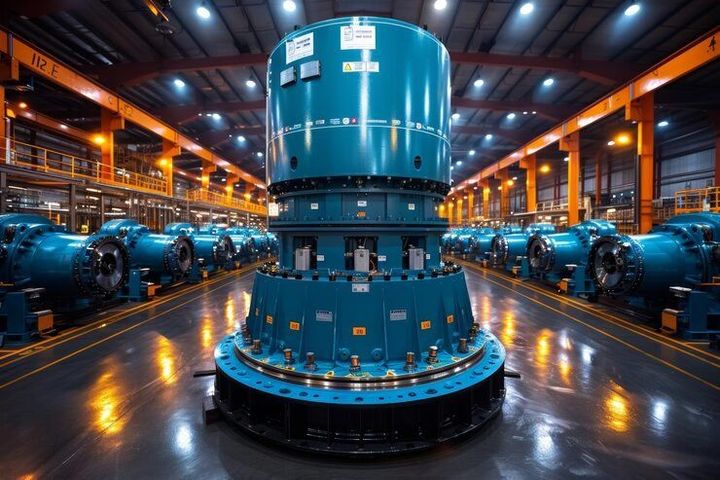
Hydrogen Compression Machines Resources: Technologies and Production Systems
Hydrogen compression machines are equipment systems designed to increase the pressure of hydrogen gas. Hydrogen produced through electrolysis or other production processes may initially be available at a relatively low pressure. Compression allows the gas to move efficiently into storage vessels, pipelines, transport systems, or high-pressure dispensing equipment.
Hydrogen has a very low molecular weight and low volumetric energy density at normal pressure. This makes compression an important part of the wider hydrogen infrastructure. The U.S. Department of Energy notes that hydrogen is commonly produced at relatively low pressures and then compressed before transportation or use.
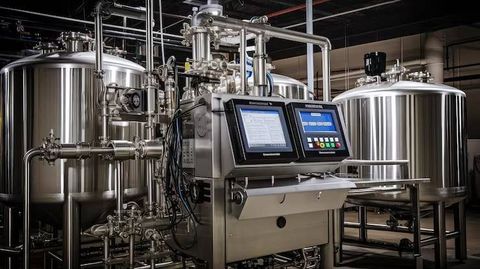
A typical hydrogen compression system can include several components:
- Hydrogen inlet and filtration equipment
- Compressor stages
- Cooling or heat-management equipment
- Pressure monitoring instruments
- Valves and pressure regulators
- Hydrogen storage connections
- Control and safety systems
- Leak detection equipment
The required configuration depends on the hydrogen source, inlet pressure, required outlet pressure, flow rate, purity requirements, and final application.
Hydrogen compression is used across several areas, including green hydrogen production, industrial gas systems, fuel-cell applications, hydrogen storage, transportation infrastructure, and hydrogen refueling stations.
Why Hydrogen Compression Matters Today
The expansion of hydrogen production has increased interest in reliable high-pressure hydrogen systems. Compression connects hydrogen production with the next stage of the value chain.
For example, an electrolyzer can produce hydrogen that then needs conditioning before it enters a storage or distribution system. Compression may also be required when hydrogen is transferred from one pressure level to another.
Several groups can be affected by hydrogen compression technology:
- Hydrogen production facilities
- Industrial manufacturing plants
- Fuel-cell system operators
- Hydrogen storage projects
- Transportation infrastructure developers
- Research laboratories
- Energy and engineering organizations
The main technical challenge is balancing pressure, flow, energy consumption, equipment durability, hydrogen purity, and safety.
Common Hydrogen Compressor Technologies
Several compressor technologies are used or being developed for hydrogen applications.
| Technology | Typical Characteristics | Common Application |
|---|---|---|
| Reciprocating compressor | High pressure capability | Industrial compression |
| Diaphragm compressor | Reduced direct contact with moving seals | High-purity hydrogen |
| Rotary compressor | Continuous rotating operation | Selected industrial systems |
| Centrifugal compressor | High flow capacity | Pipeline and large-scale systems |
| Ionic compressor | Uses ionic liquid rather than conventional piston arrangement | Hydrogen refueling applications |
| Electrochemical compressor | Uses electrochemical hydrogen transport | Emerging high-pressure applications |
| Metal hydride compressor | Uses reversible hydrogen absorption and heat | Specialized applications |
Reciprocating compressors are commonly associated with applications requiring high compression ratios. Centrifugal compressors are more suitable for high-throughput applications where the required compression ratio is moderate.
How a Hydrogen Compression System Works
A hydrogen compression process normally begins when hydrogen enters the compressor at a defined inlet pressure.
The machine raises the pressure through one or more stages. During compression, hydrogen temperature can increase, so cooling and temperature monitoring are important parts of many system designs.
A simplified process can be described as:
Hydrogen production → purification → compression → cooling → storage or distribution → final application
Multi-stage compression can be used when a large pressure increase is required. Intercooling between stages can help manage temperature and improve the overall operating condition of the equipment.
The compression system also needs instruments that monitor pressure, temperature, flow, vibration, and possible hydrogen leakage.
Material selection is another important consideration. Hydrogen can interact with certain materials and may contribute to hydrogen embrittlement under particular conditions. Therefore, components exposed to high-pressure hydrogen need appropriate engineering evaluation and material selection.
Recent Hydrogen Compression Technology Updates
Hydrogen compression technology continues to develop as hydrogen projects expand into transportation, industrial production, energy storage, and larger infrastructure.
In India, the National Green Hydrogen Mission has continued to develop its policy and innovation framework. On 27 June 2025, revised guidelines were published for Hydrogen Valley Innovation Clusters and Green Hydrogen Hubs. On 4 August 2025, guidelines covering innovative methods, pathways, and applications in the green hydrogen sector were also published.
In March 2026, the Ministry of New and Renewable Energy published a call for proposals related to skilling, upskilling, and reskilling under the National Green Hydrogen Mission. In July 2026, a model agreement for an electrolyzer-related program was also published. These developments indicate continued attention to the wider hydrogen production ecosystem.
Internationally, hydrogen compression standards are also developing. ISO has an approved work item for a new edition of ISO 19880-1 covering gaseous hydrogen fueling stations. A separate draft, ISO/CD 19880-11, addresses high-pressure liquid hydrogen pumps.
Research is also examining alternatives to conventional mechanical compression. Electrochemical compression, ionic systems, metal hydride systems, and cryogenic approaches are being investigated for specific applications. A U.S. Department of Energy activity announced in January 2026 includes testing of hydrogen gas boosters, hydraulic intensifiers, diaphragm compressors, piston compressors, metal hydrides, and cryogenic compression approaches.
These developments show that hydrogen compression is moving toward a broader technology landscape rather than relying on one compressor type for every application.
Laws, Policies, and Hydrogen Safety Frameworks
Hydrogen compression systems are affected by pressure-equipment rules, industrial safety requirements, electrical regulations, fire protection requirements, transportation regulations, and hydrogen-specific technical standards.
Requirements vary according to the country and application. A hydrogen production plant, industrial facility, pipeline system, and vehicle refueling station may have different compliance requirements.
India’s Hydrogen Policy Framework
India's National Green Hydrogen Mission focuses on developing production, usage, infrastructure, standards, research, and related hydrogen applications. The mission also identifies the importance of supply-chain infrastructure, including pipelines, tankers, intermediate storage, and distribution networks.
The National Green Hydrogen Mission portal lists standards covering hydrogen production, storage and transportation, mobility, hydrogen use, and general safety. These include standards for compressed gaseous hydrogen vehicle systems and related pressure-control components.
India has also developed standards and approval frameworks covering different parts of the green hydrogen value chain. The national framework is intended to support consistent safety, testing, and technical requirements as hydrogen infrastructure develops.
For international hydrogen projects, standards such as ISO 19880-1 are relevant to gaseous hydrogen fueling station design, installation, commissioning, operation, inspection, and maintenance. ISO 19880-8:2024 also addresses hydrogen fuel quality control at distribution facilities and fueling stations.
Compliance should always be assessed according to the specific location, pressure level, equipment category, and intended hydrogen application.
Tools and Resources for Hydrogen Compression Planning
Several general technical resources can help engineers, researchers, students, and project planners understand hydrogen compression systems.
Useful resources include:
- Pressure and flow calculators: For estimating pressure relationships and hydrogen flow requirements.
- Thermodynamic calculators: For studying temperature changes during gas compression.
- Process simulation software: For modeling hydrogen production, compression, cooling, and storage systems.
- Piping and instrumentation diagrams: Useful for understanding system connections and safety controls.
- Pressure-drop calculators: Helpful for evaluating piping and component pressure losses.
- Material compatibility databases: Useful when assessing materials exposed to hydrogen.
- Risk-assessment templates: Can help identify hazards related to pressure, leakage, ignition, and equipment failure.
- Technical standards databases: Useful for checking current hydrogen equipment and safety requirements.
- Hydrogen delivery models: Engineering models can evaluate different combinations of compression, storage, transport, and dispensing equipment. The U.S. Department of Energy's H2A delivery analysis framework, for example, examines gaseous, liquid, and carrier-based hydrogen pathways.
A useful planning approach is to compare compressor type, inlet pressure, outlet pressure, flow capacity, hydrogen purity, temperature management, maintenance requirements, and safety controls before selecting a system configuration.
Frequently Asked Questions About Hydrogen Compression Machines
What is a hydrogen compression machine?
A hydrogen compression machine is equipment that increases the pressure of hydrogen gas. It allows hydrogen to move from relatively low-pressure production systems into higher-pressure storage, transport, industrial, or dispensing systems.
Which compressor is commonly used for high-pressure hydrogen?
Reciprocating and diaphragm compressors are widely associated with high-pressure hydrogen applications. The appropriate technology depends on required pressure, flow rate, purity, operating cycle, and system design.
Why does hydrogen need compression?
Hydrogen has low volumetric energy density at normal pressure. Compression allows more hydrogen to be contained within a given storage volume and supports transportation, distribution, and high-pressure applications.
Are electrochemical hydrogen compressors commercially relevant?
Electrochemical compression is an emerging technology with potential advantages for selected applications. However, it has different technical requirements from mechanical compressors, including membrane durability, sealing, electrical efficiency, and system integration.
What standards apply to hydrogen compression systems?
Applicable standards depend on the application and country. Hydrogen fueling infrastructure can involve standards covering station design, hydrogen quality, pressure equipment, storage, transportation, electrical systems, and safety. ISO 19880 standards and national hydrogen regulations are examples of frameworks used for relevant applications.
Conclusion
Hydrogen compression machines are an important part of modern hydrogen production and distribution systems. They connect hydrogen generation with storage, transportation, industrial use, and high-pressure dispensing.