Explore Recycling Sorting Systems With Optical Sorting and Advanced Processing Technology
Recycling sorting systems are an important part of modern waste management because recyclable materials often arrive mixed together. Recycling sorting systems separate materials such as plastics, paper, metals, glass, and other recoverable items so they can move into appropriate processing streams.
Optical sorting technology has become particularly important because sensors can identify differences in material type, color, shape, and composition at high processing speeds. Combined with conveyors, magnetic separators, air systems, screens, and automated controls, advanced processing technology has changed how recycling facilities handle large volumes of mixed materials.
Context
What Recycling Sorting Systems Do
Recycling sorting systems are groups of machines and processes designed to separate recyclable materials from mixed waste. A typical system may include receiving equipment, conveyors, screening machines, magnetic separation, optical sorting, air separation, manual inspection areas, and material storage sections.
The basic purpose is straightforward. Mixed material enters the facility, different items are identified, and mechanical or automated equipment directs them toward separate output streams. The separated materials can then undergo additional processing according to their characteristics.
How Recycling Sorting Developed
Earlier recycling operations depended heavily on manual sorting. Workers identified materials visually and removed individual items from moving conveyor belts. Manual inspection remains useful, but modern facilities increasingly combine human oversight with mechanical and sensor-based equipment.
The development of automated sorting was driven by the growing amount and variety of material entering recycling facilities. Different plastics can look similar, while labels, dirt, food residue, and packaging designs can make visual identification difficult. Optical sorting systems address some of these challenges by using sensors to detect material characteristics that may not be obvious to the human eye.
Main Equipment Used
A recycling sorting line can contain several technologies working together. Common equipment includes:
- Trommel screens for separating materials according to size
- Conveyor systems for moving material between processing stages
- Magnetic separators for recovering ferrous metals
- Eddy current separators for separating certain non-ferrous metals
- Optical sorting machines for identifying specific materials
- Air separation systems for moving lightweight materials
- Ballistic separators for dividing materials according to physical behavior
- Quality-control stations for inspection and contamination removal
The exact arrangement depends on the type of material being processed and the desired output streams.
Importance
Why Automated Sorting Matters
Recycling facilities need consistent separation to produce usable material streams. When different materials remain mixed, later processing becomes more difficult and contamination can reduce the suitability of recovered material for further manufacturing.
Recycling sorting systems help organize this process by creating separate streams for different material categories. Automation can also reduce the amount of repetitive manual sorting required while allowing personnel to concentrate on monitoring, quality control, maintenance, and system management.
Optical Sorting Technology
Optical sorting is one of the major developments in automated recycling. Depending on the system, cameras, near-infrared sensors, laser-based technologies, or other detection methods can identify differences between materials.
For example, optical sorting equipment can distinguish certain types of plastic based on their spectral characteristics. Once an item is identified, an automated mechanism can direct it into a designated stream using air jets or another separation method.
Optical sorting does not operate as an isolated technology. It generally works alongside screens, magnets, conveyors, and other equipment. Each stage performs a specific separation task, creating a sequence that gradually improves material classification.
Everyday Problems Addressed
The effectiveness of recycling depends partly on how well collected materials can be separated. Common challenges include:
- Mixed material compositions
- Contamination from food and other substances
- Different plastic resin types
- Small items that are difficult to identify manually
- Material congestion on conveyor belts
- Incorrect disposal of non-recyclable items
- Changes in packaging formats
Advanced processing technology provides mechanical and sensor-based methods for addressing several of these issues.
Who Is Affected
The operation of recycling sorting systems affects multiple groups. Waste collection organizations depend on suitable processing capacity, while recycling facilities need reliable separation methods. Manufacturers that use recovered materials also depend on consistent material quality.
Households and businesses influence the process through how waste is separated before collection. Cleaner and more accurately separated materials can make downstream processing more manageable, although sorting facilities are designed to handle varying levels of contamination.
Recent Updates
Greater Use of Sensor-Based Sorting
Recent developments have focused on expanding the role of sensors and automation in recycling facilities. Modern systems increasingly combine multiple detection technologies to identify materials more accurately across complex waste streams.
Artificial intelligence and machine-learning techniques are also becoming more common in material recognition and quality monitoring. These systems can analyze visual information and help distinguish objects according to patterns, shapes, colors, and material characteristics.
Improved Plastics Identification
Plastic packaging presents a particular sorting challenge because several resin types can appear visually similar. Advanced optical sorting equipment can use spectral information to distinguish material categories that are difficult to separate through basic mechanical methods.
This development supports more detailed plastic separation and can improve the organization of different polymer streams before further processing.
Digital Monitoring and Data Collection
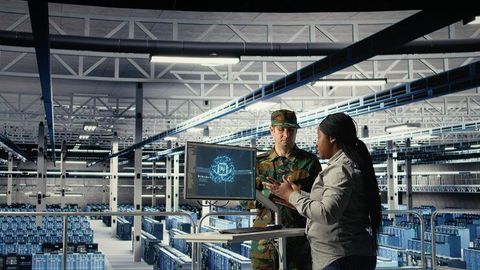
Another current trend is the use of digital monitoring systems. Sensors placed throughout a recycling line can collect information about throughput, equipment performance, material flow, and sorting results.
Operators can use this information to identify changes in processing conditions. Digital dashboards can also provide a clearer view of system operation, allowing facilities to investigate interruptions or changes in material quality.
Robotics and Automated Quality Control
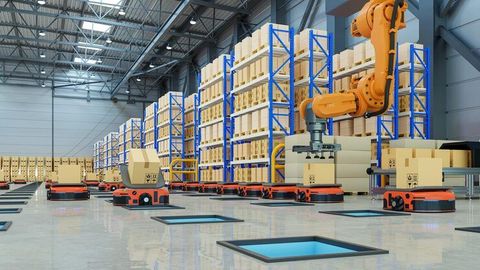
Robotic systems are increasingly being incorporated into recycling operations. Robotic sorting equipment can identify and remove selected objects from conveyor streams, particularly where repetitive picking activities are required.
The current direction of recycling technology is therefore moving toward integrated systems in which mechanical separation, optical sorting, robotics, sensors, and digital controls work together.
Laws or Policies
Recycling Policy Framework in India
In India, recycling and waste management are influenced by environmental rules covering municipal solid waste, plastic waste, electronic waste, and other specific material categories. Policy frameworks increasingly emphasize waste segregation, responsible handling, recycling, and extended producer responsibility for designated waste streams.
Plastic waste management policies place particular attention on collection, recycling, processing, and accountability across relevant parts of the supply chain. Extended producer responsibility, commonly known as EPR, creates obligations for eligible producers, importers, and brand owners concerning specified plastic packaging.
Waste Segregation
Waste segregation is an important part of the broader policy framework. Separating materials at the point where waste is generated can make later mechanical and automated sorting more manageable.
Recycling sorting systems operate downstream from collection and segregation activities. Their role is to further separate mixed recyclable materials and prepare them for subsequent processing.
Electronic and Other Specialized Waste
Electronic waste follows a specialized regulatory framework because electrical and electronic products can contain valuable materials as well as components requiring controlled handling. Recycling facilities dealing with these streams generally use specialized processes rather than treating them as ordinary household recyclables.
Policies can change as governments update waste-management requirements, so organizations involved in recycling need to consult the current rules applicable to their specific material category and operating location.
Tools and Resources
Sorting Equipment Selection Tools
Facilities evaluating recycling sorting systems can use equipment specifications, process-flow diagrams, throughput calculations, contamination measurements, and material composition studies. These resources help determine how different separation stages can work together.
Important technical information may include:
- Material throughput
- Conveyor width and speed
- Detection technology
- Separation accuracy
- Air pressure requirements
- Screen dimensions
- Electrical requirements
- Maintenance intervals
- Output material specifications
Material Identification Resources
Material identification databases and recycling classification guides can help users understand differences between plastics, metals, paper grades, glass, and composite materials. These resources are particularly useful when developing sorting categories.
Monitoring Platforms
Digital monitoring platforms can track equipment status, production data, sensor information, and material flow. Some facilities integrate these systems with centralized control platforms so operators can review multiple processing stages from a single interface.
Process Templates
Process-flow templates can also help document the movement of materials through a recycling plant. A simple process may follow this sequence:
| Processing Stage | Main Function | Typical Output |
|---|---|---|
| Receiving | Accept and inspect incoming material | Mixed feedstock |
| Screening | Separate materials by size | Size-based fractions |
| Magnetic Separation | Remove ferrous metals | Ferrous metal stream |
| Optical Sorting | Identify selected materials | Material-specific streams |
| Air Separation | Separate lightweight items | Lightweight fraction |
| Quality Control | Inspect recovered materials | Refined material streams |
| Further Processing | Prepare materials for reuse | Process-ready materials |
The actual configuration varies according to incoming waste, facility design, material targets, and local requirements.
FAQs
What are recycling sorting systems?
Recycling sorting systems are combinations of mechanical, optical, and automated equipment used to separate mixed recyclable materials. They can include screens, conveyors, magnets, optical sorters, air systems, and inspection stations.
How does optical sorting work in recycling?
Optical sorting uses sensors to detect characteristics of materials as they move along a conveyor. When the system identifies a selected material, automated equipment can direct the item into a particular output stream.
What materials can optical sorting systems identify?
Depending on the sensor technology and system configuration, optical sorting systems can identify various plastics, paper products, packaging materials, and other categories with distinguishable characteristics. The materials detected depend on the equipment and application.
Why are advanced processing technologies used in recycling?
Advanced processing technologies help facilities handle larger and more varied material streams while improving automated separation and monitoring. They also provide additional methods for dealing with materials that are difficult to distinguish through basic mechanical sorting.
Are recycling sorting systems completely automated?
Not necessarily. Many facilities combine automated equipment with human inspection and operational oversight. Personnel may monitor equipment, manage quality-control activities, respond to unusual material conditions, and perform maintenance.
Conclusion
Recycling sorting systems combine mechanical separation, optical sorting, sensors, conveyors, and other processing technologies to organize mixed recyclable materials. Optical sorting has become an important component because sensor-based identification can distinguish material characteristics that are difficult to recognize through basic visual inspection. Current developments include greater automation, digital monitoring, robotics, and improved material identification. Waste-management policies and segregation practices also influence how recycling facilities are designed and operated.