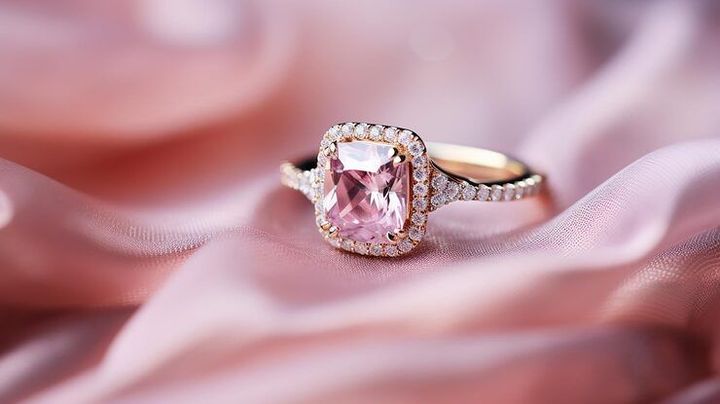
Explore Natural Pink Sapphire Rings With Color, Clarity, and Setting Details
Natural pink sapphire rings are belong to the corundum mineral family, which also includes blue sapphires and rubies.
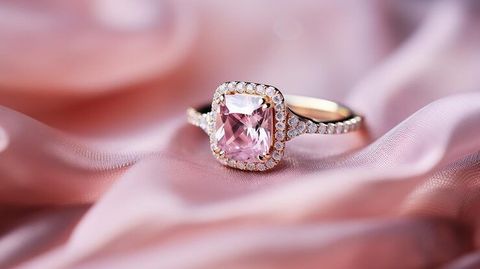
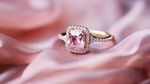
Natural pink sapphire rings are available in different shapes, sizes, and metal combinations. Their appearance depends on the gemstone's color intensity, transparency, cutting quality, and surrounding design. These characteristics make each gemstone visually distinct.
What Makes Pink Sapphires Different?
Pink sapphires range from delicate pastel shades to stronger rose and vivid pink tones. Some stones display slightly purple or peach undertones, depending on their composition and lighting conditions.
Unlike synthetic alternatives, natural sapphires develop through geological processes over long periods. However, laboratory-created sapphires have similar chemical and physical properties, making accurate identification important when evaluating gemstone descriptions.
Importance of Gemstone Quality
Gemstone quality influences the appearance and overall market value of a ring. Understanding the main characteristics helps readers compare different natural pink sapphire rings more effectively.
Color, Clarity, and Cut
Three important characteristics include:
Color: Pink saturation, consistency, and brightness influence visual appeal. Medium to vivid pink shades are commonly preferred in jewelry designs.
Clarity: Natural sapphires can contain internal inclusions. Their number, size, and visibility influence transparency and appearance.
Cut: Proper cutting helps distribute light throughout the gemstone and creates balanced proportions.
Carat weight also matters, although a larger gemstone does not automatically have better quality. Two stones with identical weights can differ considerably in appearance and market value.
Comparing Common Gemstone Characteristics
| Characteristic | What to Examine |
|---|---|
| Color | Pink tone and saturation |
| Clarity | Visibility of natural inclusions |
| Cut | Symmetry and light reflection |
| Carat | Gemstone weight and dimensions |
| Treatment | Heating or other enhancements |
| Origin | Documented geographical source |
Popular Ring Designs and Metal Choices
Ring settings influence how a pink sapphire looks when worn. Different designs provide different levels of protection, visual balance, and decorative detail.
Common Pink Sapphire Ring Settings
Solitaire setting: Features one central gemstone with a simple band.
Halo setting: Surrounds the main sapphire with smaller accent stones.
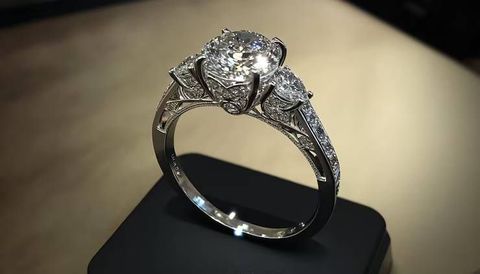
Three-stone setting: Combines a central gemstone with two additional stones.
Vintage setting: Uses decorative details, engraving, and traditional patterns.
Bezel setting: Surrounds the gemstone with a metal rim for additional protection.
An oval natural pink sapphire ring can create an elongated appearance, while round and cushion cuts provide different visual proportions.
Choosing Suitable Metals
Gold and platinum are commonly used for sapphire jewelry. An 18k gold pink sapphire ring may feature yellow, white, or rose gold.
Yellow gold creates a warm contrast, white gold provides a lighter appearance, and rose gold complements pink gemstone tones. Metal selection generally depends on personal preferences, durability requirements, and design compatibility.
Pricing Factors and Purchasing Considerations
The natural pink sapphire ring price varies according to several characteristics. Gemstone color, clarity, carat weight, origin, treatments, and craftsmanship can influence the final valuation.
A certified natural pink sapphire ring may include independent documentation describing gemstone identity and relevant characteristics. Certification or laboratory reports should be checked carefully because different laboratories may provide different levels of examination.
Important Points Before Selecting a Ring
Consider these factors when comparing available options:
Request clear information about whether the gemstone is natural or laboratory-created.
Check whether any treatments have been disclosed.
Review the gemstone dimensions and carat weight.
Examine the metal purity and ring construction.
Understand the return, resizing, and warranty conditions.
Compare independent gemstone reports where available.
For custom natural pink sapphire rings, discuss the preferred gemstone shape, metal type, setting design, and ring dimensions before finalizing the design.
Recent Developments in Sapphire Jewelry
Contemporary jewelry designs include minimalist bands, vintage-inspired settings, colored gemstone combinations, and alternative engagement ring styles. Pink sapphires are also incorporated into everyday jewelry and occasion-based designs.
Digital gemstone listings increasingly include close-up photographs, measurements, and laboratory documentation. However, photographs may not accurately represent natural color because lighting, camera settings, and screen displays can influence appearance.
Care and Maintenance
Pink sapphire is a relatively durable gemstone, ranking 9 on the Mohs hardness scale. This makes it suitable for many ring designs, including frequently worn jewelry.
Regular maintenance can help preserve its appearance:
Clean using lukewarm water and mild soap.
Use a soft brush to remove surface dirt.
Avoid harsh chemicals and unnecessary abrasive materials.
Store separately to reduce scratches from other jewelry.
Arrange periodic professional inspections of gemstone settings.
Always check treatment-related care recommendations before using ultrasonic or steam cleaning equipment.
Frequently Asked Questions
Are natural pink sapphire rings suitable for everyday wear?
Yes. Sapphire has considerable hardness, making it suitable for regular wear. However, appropriate settings and routine care remain important.
How can a natural pink sapphire be identified?
Gemological testing can help distinguish natural gemstones from laboratory-created alternatives and identify certain treatments. Independent laboratory reports provide additional information.
What influences natural pink sapphire ring prices?
Color quality, clarity, carat weight, cut, treatments, origin, and craftsmanship are important valuation factors.
Are pink sapphires suitable for engagement rings?
Yes. Their durability, color variety, and availability in different designs make them an option for engagement jewelry.
Conclusion
Natural pink sapphire rings combine gemstone characteristics with different jewelry styles and metal choices. Understanding color, clarity, cutting, treatments, certification, and pricing factors helps readers evaluate available designs. Careful examination of gemstone documentation and ring construction also supports more informed purchasing decisions.