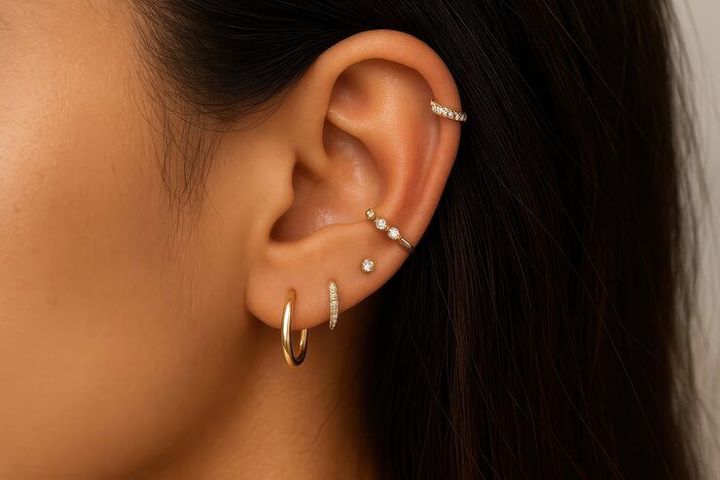
Ear Piercing Styles Guide for Different Ear Shapes and Personal Preferences
Ear piercings are a form of body modification in which a small opening is created in the ear to accommodate decorative jewelry.
An ear piercing can be a simple earlobe opening or a more distinctive cartilage placement. Understanding the available options, hygiene considerations, and healing requirements helps individuals make informed decisions before scheduling an appointment.
Common Ear Piercing Locations
The earlobe is a common location because it contains soft tissue and generally heals more quickly than cartilage. Other placements involve different parts of the outer ear.
Popular options include:
Lobe piercing: Located in the soft lower portion of the ear.
Upper lobe piercing: Positioned above the traditional earlobe opening.
Helix piercing: Placed along the upper outer cartilage.
Tragus piercing: Located on the small cartilage section near the ear canal.
Conch piercing: Positioned in the central cartilage area.
Daith piercing: Located in the inner cartilage fold.
Each placement has different anatomical characteristics and healing considerations.
Importance of Choosing the Right Piercing
Selecting an appropriate ear piercing involves more than appearance. Placement, personal comfort, jewelry material, and daily activities can influence the overall experience.
For example, individuals who regularly wear headphones may find certain cartilage placements uncomfortable. People who sleep on their sides may also need to consider how a new piercing could interact with their sleeping position.
Jewelry Materials and Designs
Jewelry materials are important because they remain in contact with healing skin. Implant-grade titanium, suitable solid gold, and other verified body-jewelry materials are commonly considered for initial piercings.
Hypoallergenic ear piercing earrings may be worth considering for people concerned about metal sensitivity. However, the term hypoallergenic does not guarantee that every individual will tolerate a particular material.
Common jewelry styles include:
Stud earrings with simple decorative fronts.
Small hoops designed for appropriate healed placements.
Flat-back earrings with smooth internal surfaces.
Decorative gemstone and gold designs.
Jewelry should have an appropriate size, shape, and material for the specific piercing location.
Ear Piercing Procedures and Considerations
Professional piercing involves preparing the selected area, maintaining appropriate hygiene, and placing suitable jewelry. A trained piercer should explain the procedure, equipment, jewelry material, and expected healing requirements.
What to Consider Before an Appointment
Before arranging an ear piercing appointment, consider these factors:
Placement: Understand which ear location matches your preferences and anatomy.
Hygiene: Check that appropriate sterilization procedures and single-use needles are followed.
Jewelry: Discuss material suitability, dimensions, and initial jewelry selection.
Healing: Ask about expected healing stages and aftercare instructions.
Pricing: Review the ear piercing price and clarify what the stated amount includes.
Avoid attempting cartilage or earlobe piercings at home with improvised equipment. Professional assessment helps reduce preventable hygiene and placement risks.
Ear Piercing Types and Comparison
Different piercing locations have different healing requirements. The following table provides general information rather than fixed healing guarantees.
| Piercing Type | Location | General Healing Range |
|---|---|---|
| Standard lobe | Lower earlobe | 6–8 weeks |
| Upper lobe | Upper earlobe | 6–12 weeks |
| Helix | Upper cartilage | 6–12 months |
| Tragus | Front cartilage | 6–12 months |
| Conch | Central cartilage | 6–12 months |
| Daith | Inner cartilage | 6–12 months |
Individual healing times vary depending on anatomy, jewelry, irritation, and aftercare practices.
Aftercare and Healing Practices
Proper aftercare supports the healing process and helps reduce irritation. Newly pierced ears require gentle handling because the opening remains vulnerable during healing.
Everyday Care Recommendations
General aftercare practices include:
Clean the area using sterile saline wound wash as recommended by the piercer.
Wash hands before touching the piercing.
Avoid unnecessary twisting, pulling, or moving of jewelry.
Keep cosmetics, hair products, and other potential irritants away.
Avoid swimming in potentially contaminated water during early healing.
Follow professional instructions about cleaning frequency and jewelry changes.
Ear piercing aftercare products should be selected carefully. Avoid harsh cleaning chemicals and unnecessary topical products unless recommended by an appropriate healthcare professional.
Increasing redness, warmth, swelling, worsening pain, or unusual discharge may indicate a problem. Seek medical assessment if these symptoms develop. Do not remove jewelry from a potentially infected piercing without appropriate medical guidance.
Recent Trends in Ear Piercing Jewelry
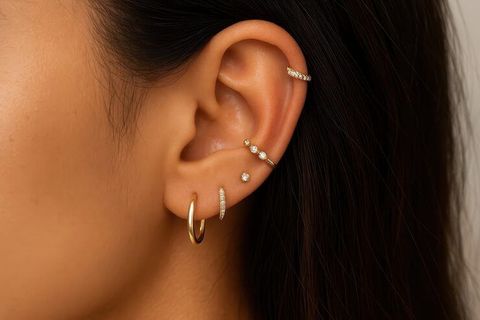
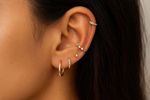
Multiple ear piercings have become a recognizable styling preference. Some individuals combine small studs, delicate hoops, and different jewelry finishes to create coordinated arrangements.
Gold earrings for newly pierced ears, minimalist studs, and hypoallergenic ear piercing earrings are among the jewelry styles people commonly explore. However, decorative preferences should not take priority over material suitability and proper healing.
Cartilage ear piercing arrangements, including helix placements, also provide different styling possibilities. Jewelry should be changed only when the piercing has healed sufficiently and the change is appropriate for its location.
Frequently Asked Questions
Which ear piercing heals the fastest?
Standard earlobe piercings generally heal faster than cartilage piercings. Individual healing periods can vary.
What jewelry is suitable for new ear piercings?
Appropriately sized implant-grade titanium and verified suitable gold jewelry are commonly considered. Material selection should account for individual sensitivities.
Can cartilage piercings take longer to heal?
Yes. Cartilage generally heals more slowly than the soft earlobe and may require several months.
When can earrings be changed?
Jewelry should remain in place until the piercing has adequately healed. A qualified piercer can assess whether changing it is appropriate.
Conclusion
Ear piercings provide different options for personal expression, from traditional earlobe openings to distinctive cartilage placements. Understanding jewelry materials, placement choices, hygiene, and healing requirements supports informed decisions. Following appropriate aftercare and seeking professional guidance when problems arise can help maintain ear health throughout the healing process.