Explore Designer Pendant Lighting for Stylish and Functional Interior Spaces
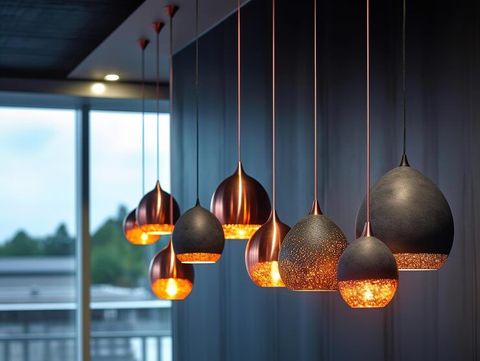
Designer pendant lighting has become an important element of modern interior design, combining practical illumination with decorative appeal. A pendant light is a ceiling-mounted fixture suspended by a cord, chain, rod, or adjustable cable.
It directs light towards specific areas while contributing to the overall appearance of a room. Unlike conventional ceiling fixtures, pendant lighting is available in numerous shapes, materials, finishes, and lighting arrangements.
The concept of pendant lighting developed from traditional hanging lamps that used candles, oil, and later electric bulbs. As electrical technology and interior architecture evolved, these fixtures became more refined. Designers began experimenting with glass shades, metal structures, fabric coverings, and sculptural forms to create lighting that served both functional and decorative purposes.
Today, designer pendant lighting is commonly found in residential properties, hospitality environments, offices, restaurants, and commercial interiors. Its flexibility makes it suitable for different ceiling heights, room dimensions, and architectural styles.
Understanding Designer Pendant Light Fixtures
A designer pendant light generally consists of several components that work together to produce illumination and establish its appearance.
Canopy: The ceiling-mounted component that covers the electrical connection.
Suspension system: A cord, chain, or rod that supports the fixture.
Shade: The outer structure that directs, diffuses, or filters light.
Light source: An LED module or replaceable bulb that produces illumination.
Finishing elements: Decorative details such as metal accents, glass textures, and surface coatings.
Each component influences the fixture's appearance, installation requirements, and lighting performance.
Common Types of Pendant Lighting
Different pendant lighting designs serve different interior purposes.
Single pendant lights: Individual fixtures commonly positioned above bedside tables, kitchen islands, and reading areas.
Multi-light pendants: Arrangements featuring several light sources connected to one ceiling mount.
Glass pendant lights: Fixtures that use transparent, frosted, or textured glass to distribute illumination.
Metal pendant lights: Designs featuring aluminium, brass, steel, or other metals for contemporary and industrial interiors.
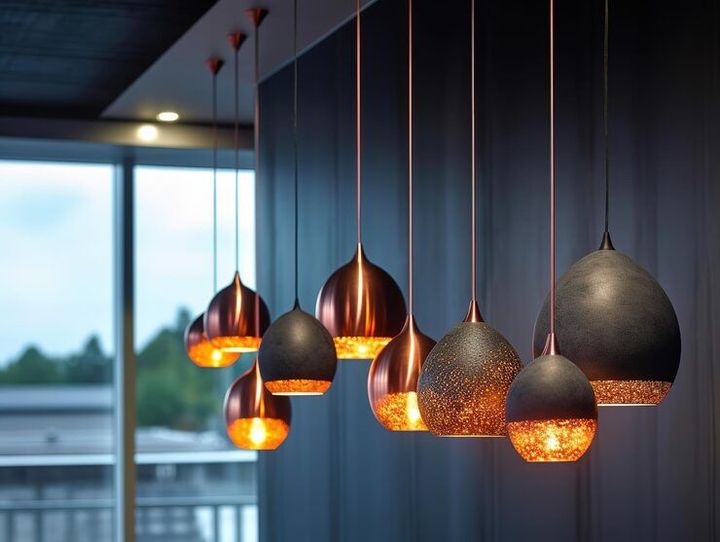
Sculptural pendant lights: Decorative fixtures with distinctive shapes that function as visual elements.
Linear pendant lights: Elongated fixtures designed for dining tables, kitchen counters, and conference areas.
Importance
Lighting influences how people experience indoor spaces. It affects visibility, comfort, daily activities, and the appearance of furniture and architectural features. Designer pendant lighting helps address these requirements by combining focused illumination with decorative design.
Modern homes frequently include open-plan layouts where kitchens, dining areas, and living rooms share the same space. Pendant fixtures can help visually distinguish these areas without requiring physical partitions. Their positioning and illumination patterns also help establish separate functional zones.
Benefits for Everyday Interior Spaces
Pendant lighting has several practical applications.
Focused illumination: Pendant fixtures can direct light towards specific surfaces, including kitchen countertops, dining tables, workspaces, and reading corners.
Interior decoration: Their shapes, colours, and materials contribute to the visual identity of a room. A carefully selected fixture can complement furniture, flooring, wall finishes, and other decorative elements.
Space organisation: Different pendant arrangements can visually separate functional areas within open-plan interiors.
Flexible positioning: Adjustable suspension systems allow certain fixtures to accommodate different ceiling heights and furniture arrangements.
Layered lighting: Pendant fixtures can work alongside recessed lights, wall sconces, floor lamps, and table lamps to create balanced illumination.
Who Uses Designer Pendant Lighting?
These lighting solutions are relevant to several groups of people involved in planning and maintaining indoor environments.
Homeowners use pendant lights in kitchens, bedrooms, dining rooms, and living areas.
Interior designers incorporate them into residential and commercial design projects.
Architects consider pendant lighting when planning ceiling layouts and architectural features.
Hospitality operators use decorative fixtures in hotel lobbies, restaurants, and reception areas.
Office planners select suitable pendant arrangements for meeting rooms and shared workspaces.
Important Factors When Selecting Pendant Fixtures
Choosing an appropriate fixture involves more than considering its appearance. Several practical factors influence its suitability.
| Selection factor | Important consideration |
|---|---|
| Room dimensions | Fixture size should complement the available space |
| Ceiling height | Suspension length should allow comfortable movement |
| Light output | Brightness should match the intended activity |
| Colour temperature | Warm or neutral lighting influences room atmosphere |
| Material | Glass, metal, and fabric create different visual effects |
| Maintenance | Accessible components simplify routine cleaning |
| Installation | Electrical connections and mounting support must be suitable |
Understanding these factors helps create an interior environment where decorative lighting remains practical for everyday use.
Recent Updates
Designer pendant lighting continues to evolve alongside developments in LED technology, interior architecture, and smart home systems. Current design directions emphasise energy efficiency, adaptable illumination, material diversity, and visual simplicity.
LED Integration and Energy Efficiency
LED technology has become increasingly common in contemporary pendant lighting. Compared with traditional incandescent bulbs, LEDs generally consume less electricity and have longer operating lifespans.
Many modern fixtures include integrated LED modules rather than conventional replaceable bulbs. Other designs support standard LED lamps, allowing users to change the light source when necessary.
Smart Lighting Compatibility
Smart home technology has influenced the development of connected pendant lighting systems. Depending on the product, compatible fixtures may support:
Remote brightness adjustment.
Colour temperature control.
Scheduled lighting operation.
Voice-controlled switching.
Integration with home automation platforms.
These functions provide additional control over indoor illumination. Compatibility varies according to the fixture, controller, wireless technology, and connected home platform.
Sustainable Materials and Contemporary Finishes
Material selection is another noticeable development in designer pendant lighting. Manufacturers and designers increasingly explore materials that complement environmentally conscious interior planning.
Common design directions include:
Recycled and recycled-content glass.
Reclaimed or responsibly sourced wood.
Recyclable aluminium components.
Durable metal finishes.
Natural fibres and woven materials.
Minimalist shapes, geometric structures, sculptural forms, and mixed-material designs are also prominent in contemporary interiors.
Comparison of Current Pendant Lighting Trends
| Design trend | Main characteristics | Suitable applications |
|---|---|---|
| Minimalist pendants | Simple shapes and clean finishes | Modern homes and offices |
| Smart pendants | Connected controls and adjustable brightness | Connected residential interiors |
| Sculptural lighting | Artistic forms and distinctive structures | Dining rooms and reception areas |
| Natural materials | Wood, woven fibres, and textured finishes | Organic and contemporary interiors |
| Linear LED pendants | Extended illumination across a surface | Kitchen islands and workspaces |
These developments demonstrate how pendant lighting is becoming more adaptable to different interior requirements.
Laws or Policies
Designer pendant lighting is influenced by electrical safety requirements, building regulations, energy-efficiency standards, and product certification frameworks. These rules vary between countries and may also differ according to building type and installation location.
Electrical safety is particularly important because pendant fixtures connect directly to building electrical systems. Incorrect wiring, unsuitable mounting arrangements, and overloaded circuits can create electrical hazards.
Electrical Safety Requirements
Many jurisdictions establish requirements for electrical equipment and building installations. Common regulatory considerations include:
Electrical insulation: Components should provide appropriate protection against accidental contact with live electrical parts.
Wiring standards: Electrical connections must comply with applicable installation requirements.
Mounting safety: Ceiling supports should accommodate the fixture's weight.
Heat management: Light sources and electrical components should operate within their specified temperature limits.
Product certification: Fixtures may require testing or certification under the relevant national or regional framework.
Energy-Efficiency Regulations
Energy-efficiency policies increasingly influence lighting product development. Certain markets establish minimum efficiency requirements, product labelling rules, or restrictions on less efficient lighting technologies.
LED lighting has become an important part of these developments because of its relatively low electricity consumption. However, actual performance depends on brightness, operating hours, product quality, and electrical efficiency.
Installation and Building Considerations
Building regulations may specify requirements for ceiling installations, electrical work, fire safety, and accessibility. Commercial buildings may have additional requirements depending on their occupancy and intended use.
In India, relevant electrical installation requirements include applicable provisions of the Central Electricity Authority regulations and recognised Indian Standards. Product certification and applicable Bureau of Indian Standards requirements should also be considered where relevant.
Electrical installation should be assessed by a qualified professional familiar with the applicable local requirements.
Tools and Resources
Several practical tools help people understand lighting requirements and plan pendant fixture arrangements. These resources can simplify measurements, compare technical specifications, and coordinate lighting with interior layouts.
Lighting Calculators
Lighting calculators estimate the illumination required for a particular room. They generally consider room dimensions, intended activities, and the desired illumination level.
The lumen requirement can provide an initial reference when comparing lighting products. However, fixture design, ceiling height, surface colours, and light distribution also affect actual room illumination.
Interior Design Software
Room-planning applications allow users to create digital interior layouts and examine how pendant fixtures may appear in different positions.
Useful functions include:
Three-dimensional room modelling.
Furniture and fixture placement.
Ceiling layout planning.
Material and colour comparisons.
Lighting arrangement visualisation.
Product Specification Sheets
Technical specification sheets provide information about individual pendant fixtures. Important details include dimensions, electrical ratings, bulb compatibility, lumen output, colour temperature, installation requirements, and material composition.
These documents help readers understand whether a particular fixture is appropriate for its intended location.
Lighting Planning Checklist
A simple checklist can help organise the planning process.
Measure the room and ceiling height.
Identify the area requiring illumination.
Determine the required light output.
Consider the fixture's dimensions and suspension length.
Review electrical compatibility.
Check cleaning and maintenance requirements.
Examine installation and safety instructions.
Combining these resources helps establish a practical lighting arrangement that considers both appearance and functionality.
FAQs
What Is Designer Pendant Lighting?
Designer pendant lighting refers to decorative ceiling-mounted fixtures suspended using cords, rods, or chains. These fixtures provide illumination while contributing to the visual appearance of residential and commercial interiors.
Which Pendant Lighting Is Suitable for Kitchen Islands?
Linear pendant lights, individual glass pendants, and multi-light arrangements are commonly used above kitchen islands. The appropriate design depends on island dimensions, ceiling height, required brightness, and the surrounding interior layout.
Are LED Designer Pendant Lights Energy Efficient?
LED pendant lights generally consume less electricity than traditional incandescent lighting. Their efficiency depends on the LED technology, brightness level, electrical components, and operating conditions.
How High Should Pendant Lights Hang Above a Dining Table?
Pendant lights are commonly positioned approximately 70–90 centimetres above a dining table, measured from the tabletop to the bottom of the fixture. This is a general design guideline, and adjustments may be necessary depending on fixture dimensions, ceiling height, and visibility requirements.
Can Designer Pendant Lighting Work in Small Rooms?
Yes. Compact pendant fixtures can be suitable for smaller rooms when their dimensions and suspension lengths are proportionate to the available space. Simple designs and appropriate light distribution can help maintain a balanced interior appearance.
Conclusion
Designer pendant lighting combines functional illumination with decorative elements that contribute to contemporary interior design. Its applications range from residential kitchens and dining rooms to commercial environments and hospitality spaces. Developments in LED technology, smart controls, and material selection continue to influence modern pendant lighting designs. Understanding fixture dimensions, illumination requirements, electrical safety, and installation conditions provides a foundation for effective indoor lighting planning.