Electric Forklift Fleet Leasing Basics With Fleet Planning and Material Handling Details
Electric forklift fleet leasing is a structured way for warehouses, factories, distribution centers, and other material handling operations to use electric forklifts through a planned rental agreement rather than purchasing every vehicle outright.
The concept developed alongside the wider shift toward organized fleet management, where businesses evaluate equipment needs according to workload, operating conditions, battery requirements, and replacement cycles.
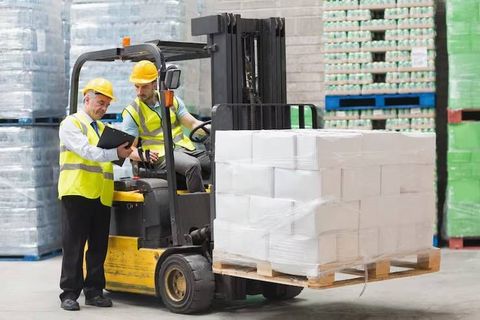
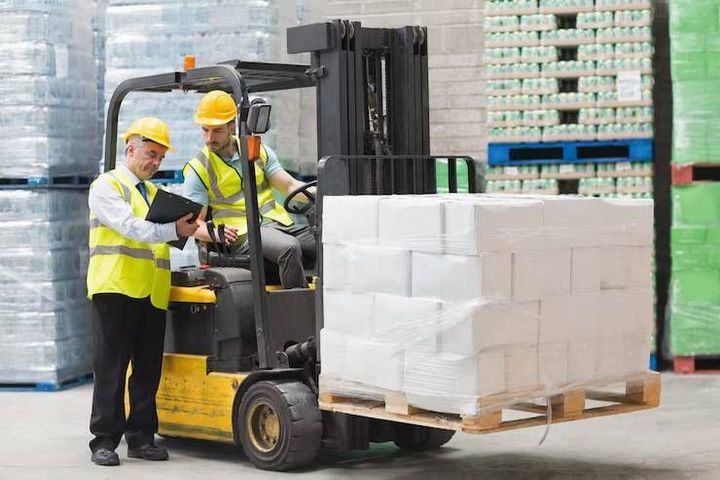
Electric forklifts use rechargeable battery systems instead of internal combustion engines. They are commonly used for pallet movement, warehouse storage, loading areas, production lines, and indoor material handling. Their operating characteristics make them particularly relevant in enclosed environments where exhaust emissions and engine noise can be important considerations.
Fleet leasing usually involves an agreement covering a defined number of forklifts for a specified period. Depending on the arrangement, the agreement may include equipment access, scheduled maintenance, battery-related provisions, inspections, replacement arrangements, and other fleet-management elements.
Before establishing an electric forklift fleet, planners generally examine several factors:
- Number of forklifts required
- Load capacity
- Lift height
- Daily operating hours
- Travel distances
- Battery type and charging requirements
- Indoor or outdoor operating conditions
- Warehouse aisle dimensions
- Operator requirements
- Expected fleet replacement cycle
Fleet planning is therefore more than selecting a forklift model. It involves matching equipment characteristics with the actual movement of materials throughout a facility.
How Electric Forklift Leasing Works
A typical leasing arrangement begins with an assessment of operational requirements. The fleet planner identifies the number and type of forklifts needed and determines how frequently each unit will operate.
The agreement then establishes the equipment quantity, contract period, payment structure, maintenance responsibilities, battery arrangements, inspection requirements, and procedures for equipment changes. Exact terms differ between leasing providers and jurisdictions.
For example, a warehouse operating several shifts may require a different fleet structure from a small facility operating for only a few hours each day. Battery charging capacity and shift scheduling can also influence the number of forklifts required.
Main Electric Forklift Types
Electric forklifts are available in several configurations. Counterbalance forklifts are widely used for pallet movement and general warehouse handling. Reach trucks are designed for operations involving taller storage racks and narrower aisles.
Pallet trucks can handle horizontal pallet movement over shorter distances, while stackers can raise loads for selected storage applications. Choosing the appropriate configuration depends on load dimensions, rack design, aisle width, floor conditions, and lifting height.
Importance
Electric forklift fleet planning matters because material movement directly affects warehouse organization and production flow. A fleet that is too small can create waiting periods and interruptions, while an oversized fleet can leave equipment underused.
Electric forklift leasing can also help organizations structure equipment planning around predictable contract periods. Instead of treating each forklift as an isolated asset, fleet managers can consider utilization, battery capacity, operating hours, maintenance schedules, and replacement timing as parts of one system.
Who Uses Electric Forklift Fleets
Several industries use electric forklifts for routine material handling, including:
- Warehousing and distribution
- Manufacturing
- Food and beverage processing
- Retail distribution
- Automotive production
- Electronics manufacturing
- Packaging operations
- Cold-storage facilities
- Logistics centers
The exact equipment configuration varies according to the material being moved and the environment in which the forklift operates.
Fleet Utilization and Capacity
Utilization measures how much of the available operating capacity is actually being used. A forklift that operates continuously during several shifts has different planning requirements from one that moves occasional pallets.
Fleet planners can examine operating hours, trips per shift, average load weight, travel distance, lifting frequency, and idle periods. These measurements help establish whether additional equipment is necessary or whether existing units can cover the workload.
A simple planning framework can look like this:
| Planning Factor | Example Consideration |
|---|---|
| Fleet size | Number of active forklifts required |
| Load capacity | Typical and maximum load weights |
| Lift height | Rack and storage requirements |
| Operating hours | Hours per shift and number of shifts |
| Battery capacity | Expected operating duration |
| Charging | Number and location of charging points |
| Aisle width | Compatibility with warehouse layout |
| Floor conditions | Smoothness, slopes, and surface quality |
| Utilization | Operating time compared with available time |
| Replacement cycle | Planned equipment renewal period |
Battery Planning
Battery management is one of the central elements of an electric forklift fleet. Traditional lead-acid batteries require appropriate charging areas, charging schedules, and routine care. Lithium-ion batteries provide different charging characteristics and can support opportunity charging in suitable operations.
Fleet planners should consider battery capacity, charging duration, charging infrastructure, operating temperature, shift patterns, and manufacturer requirements. A forklift fleet can experience interruptions when battery planning does not match actual operating hours.
Recent Updates
Electric forklift technology has continued to develop between 2024 and 2026, with greater attention toward battery efficiency, connected fleet management, operator monitoring, and energy management.
Lithium-ion battery adoption has expanded across material handling applications because these batteries can support shorter charging intervals and reduced routine battery handling compared with some conventional systems. Actual performance depends on equipment configuration, workload, temperature, and charging practices.
Connected Fleet Management
Modern electric forklift fleets can incorporate telematics systems that collect operational information. Depending on the equipment, data may include operating hours, battery condition, impact events, utilization, error notifications, and movement patterns.
This information can help fleet managers identify underused equipment, recurring operational issues, and patterns in battery consumption. Data-based fleet planning can also support more accurate equipment scheduling.
Energy and Sustainability Considerations
Warehouses and manufacturing facilities are increasingly examining electricity consumption as part of overall facility planning. Electric forklifts can be integrated into broader energy-management strategies involving charging schedules, battery storage, renewable electricity, and facility power capacity.
Automation is another developing area. Automated guided vehicles and autonomous mobile robots may handle selected transport tasks alongside conventional forklifts. However, these technologies have different infrastructure, safety, and operational requirements and do not automatically replace conventional forklift fleets.
Ergonomics and Operator Technology
Newer equipment can include adjustable controls, improved visibility, electronic displays, speed-management systems, and operator-assistance features. These technologies are intended to support controlled operation and better information availability.
Fleet managers should distinguish between technology features and actual operational requirements. A feature is useful only when it matches the environment, workforce, load characteristics, and safety procedures.
Laws or Policies
Forklift operation is influenced by occupational safety rules, equipment standards, electrical requirements, workplace procedures, and environmental regulations. The exact requirements vary by country and jurisdiction.
Organizations operating electric forklifts generally need to address operator training, equipment inspections, load handling, pedestrian separation, workplace traffic management, battery charging, and maintenance procedures.
Operator Training
Many jurisdictions require forklift operators to receive appropriate training and authorization before operating powered industrial trucks. Training commonly covers equipment controls, load stability, operating surfaces, pedestrian awareness, inspection procedures, and safe handling practices.
Refresher training may also be required when operating conditions change or when an incident indicates additional instruction is necessary.
Charging and Battery Safety
Battery charging areas need appropriate ventilation, electrical protection, access control, and procedures suited to the battery technology being used. Lead-acid and lithium-ion batteries have different handling characteristics, so facility procedures should reflect the manufacturer's requirements and applicable regulations.
Charging equipment should also be compatible with the forklift and electrical infrastructure. Improper charging arrangements can create operational and safety risks.
Workplace Traffic Rules
Facilities may establish designated forklift routes, pedestrian walkways, speed controls, warning systems, visibility measures, and loading-zone procedures. These controls are particularly important where forklifts and pedestrians share working areas.
Government regulations and recognized technical standards can establish minimum requirements, while individual facilities may implement additional internal controls based on their operating environment.
Tools and Resources
Fleet planning can be supported by several practical tools. A fleet utilization spreadsheet can record operating hours, forklift identification numbers, battery usage, inspection dates, and maintenance intervals.
A material-handling capacity calculator can help compare load weights, lifting heights, travel distances, and operating cycles. Warehouse layout software can also help evaluate aisle dimensions, rack positions, turning areas, and traffic routes.
Useful planning resources include:
- Fleet utilization templates
- Battery charging schedules
- Forklift inspection checklists
- Warehouse layout planners
- Load-capacity worksheets
- Equipment maintenance records
- Telematics dashboards
- Energy consumption calculators
- Operator training records
- Fleet replacement planning sheets
A structured fleet record can make it easier to compare planned utilization with actual operating activity. It can also help identify equipment that requires closer inspection or changes in scheduling.
Evaluating a Leasing Arrangement
When reviewing an electric forklift fleet leasing arrangement, planners typically examine contract duration, equipment specifications, payment structure, maintenance responsibilities, battery provisions, replacement procedures, usage limits, inspection requirements, and end-of-contract conditions.
The agreement should clearly identify who is responsible for routine inspections, repairs, battery management, charging equipment, accidental damage, and equipment replacement. Clear documentation can reduce uncertainty during the operating period.
FAQs
What is electric forklift fleet leasing?
Electric forklift fleet leasing is an arrangement in which an organization uses a defined group of electric forklifts for an agreed period under specified contractual conditions. The agreement can define equipment quantities, payment structure, maintenance responsibilities, battery provisions, and replacement procedures.
How is an electric forklift fleet planned?
Electric forklift fleet planning considers load capacity, lift height, operating hours, shift patterns, warehouse layout, travel distances, battery requirements, and equipment utilization. These factors help determine the appropriate fleet size and configuration.
What should be considered when leasing electric forklifts?
Important considerations include forklift specifications, contract duration, battery technology, charging infrastructure, inspection requirements, maintenance responsibilities, utilization expectations, replacement conditions, and workplace safety requirements.
Are lithium-ion batteries suitable for electric forklift fleets?
Lithium-ion batteries can be suitable for operations requiring frequent charging intervals and extended equipment availability. Their suitability depends on workload, charging infrastructure, operating environment, equipment compatibility, and manufacturer specifications.
What rules apply to electric forklift operation?
Rules commonly address operator training, equipment inspections, load handling, workplace traffic, battery charging, electrical safety, and pedestrian protection. Specific requirements depend on the jurisdiction and the type of workplace.
Conclusion
Electric forklift fleet leasing combines equipment planning with structured fleet management for material handling operations. Effective planning considers fleet size, load requirements, operating patterns, battery technology, charging infrastructure, workplace layout, and applicable safety rules. Developments in lithium-ion batteries, telematics, energy management, and operator technology are influencing modern fleet planning. Clear documentation and appropriate equipment selection remain important elements of organized electric forklift operations.