Corrugated Box Cutting Machine Explained With Working Principles and Key Benefits
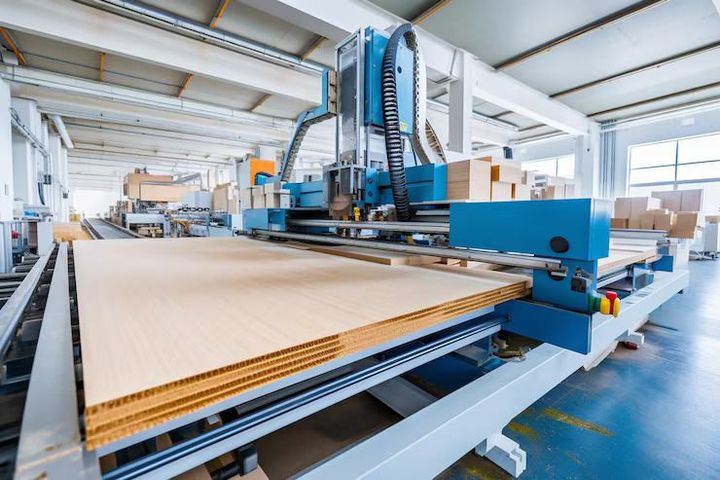
A corrugated box cutting machine is an industrial machine used to cut, trim, crease, and shape corrugated cardboard sheets into packaging components. These machines play an important role in the packaging industry because corrugated boxes are widely used for transporting, storing, and protecting products.
From food and electronics to furniture and industrial equipment, many businesses depend on corrugated packaging for handling and distribution.
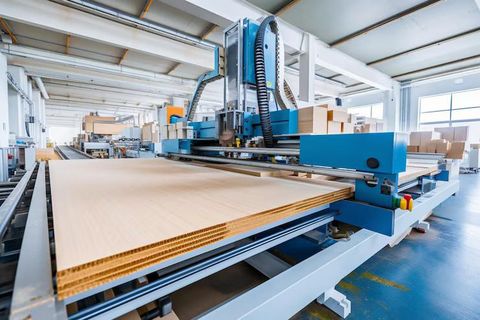
Corrugated cardboard consists of multiple paper layers, usually including two flat linerboards and a fluted middle layer. This structure provides strength, cushioning, and resistance to compression while keeping the packaging relatively lightweight. A corrugated box cutting machine processes these sheets into specific dimensions so they can be folded and assembled into finished boxes.
The development of corrugated box cutting technology is connected to the expansion of commercial packaging and distribution systems. As product packaging requirements became more varied, manufacturers introduced mechanical cutting equipment and automated systems to produce different box designs with consistent dimensions.
What Is a Corrugated Box Cutting Machine?
A corrugated box cutting machine is equipment designed to convert flat corrugated sheets into packaging blanks. Depending on its configuration, it can perform cutting, slotting, creasing, trimming, and other operations required for box production.
The machine uses blades, rotary tools, dies, or computer-controlled cutting heads to follow specific patterns. These patterns determine the dimensions of the box, including its length, width, height, folding flaps, and joining sections.
Common machine components include:
Feeding system: Moves corrugated sheets into the cutting area.
Cutting unit: Uses blades or rotary tools to separate the cardboard according to the required design.
Creasing unit: Creates folding lines without completely cutting through the material.
Slotting mechanism: Produces openings that allow box flaps to fold correctly.
Control panel: Allows operators to enter dimensions and select production settings.
Delivery system: Transfers processed sheets to the collection area for further packaging operations.
Working Principles of a Corrugated Box Cutting Machine
The working principle depends on the machine type, but most systems follow a similar sequence. First, corrugated cardboard sheets are loaded into the feeding section. The machine then positions the sheet and performs the programmed cutting and creasing operations.
The general production process includes:
Sheet feeding: Corrugated cardboard is supplied to the machine manually or through an automatic feeder.
Design setting: Required box dimensions and cutting patterns are entered or selected.
Sheet positioning: Guides and alignment systems position the cardboard correctly.
Cutting: Blades or cutting tools separate the material according to the selected pattern.
Creasing and slotting: Folding lines and flap openings are created.
Sheet collection: The processed cardboard blank is transferred for folding, gluing, printing, or assembly.
The accuracy of these operations depends on sheet quality, blade condition, machine settings, material thickness, and correct alignment.
Main Types of Corrugated Box Cutting Machines
Different corrugated box cutting machines are designed for particular production volumes, packaging designs, and operational requirements.
Manual corrugated box cutting machines: Require operators to position sheets and control cutting operations. They are generally used for simple cutting tasks and smaller production requirements.
Semi-automatic cutting machines: Combine powered cutting mechanisms with manual sheet handling or selected manual adjustments.
Fully automatic cutting machines: Integrate feeding, positioning, cutting, and material collection into a connected production process.
CNC corrugated box cutting machines: Use computer numerical control to follow programmed cutting paths and produce different box designs.
Rotary die-cutting machines: Use cylindrical cutting tools to process corrugated sheets continuously, depending on the machine configuration.
Flatbed die-cutting machines: Use a flat cutting die and pressing mechanism to create specific packaging shapes and designs.
Importance of Corrugated Box Cutting Machines in Modern Packaging
Corrugated box cutting machines are important because packaging requirements vary across products, industries, and distribution systems. A small electronic component may require a compact protective box, while industrial equipment may need larger packaging with customised internal sections.
Accurate cutting and creasing help ensure that cardboard sheets can be folded into the intended box shape. These operations also influence packaging strength, material usage, and the ability of boxes to protect products during transportation.
Industrial Applications of Corrugated Box Cutting Equipment
Corrugated packaging is used across several sectors, making box cutting equipment relevant to a wide range of manufacturing activities.
E-commerce: Produces shipping boxes for clothing, electronics, household products, and other online orders.
Food and beverage: Manufactures cartons for packaged food, beverages, and distribution containers.
Electronics: Creates protective packaging for appliances, accessories, and electronic components.
Automotive: Produces cartons for spare parts, accessories, and industrial components.
Pharmaceutical packaging: Supports the production of secondary corrugated cartons used for transporting packaged healthcare products.
Furniture and appliances: Creates large cartons for furniture, refrigerators, washing machines, and other household equipment.
Key Benefits of Corrugated Box Cutting Machines
These machines support packaging production through several practical advantages.
Dimensional consistency: Controlled cutting and creasing help produce box blanks with repeatable dimensions, supporting accurate folding and assembly.
Production efficiency: Powered feeding and cutting systems reduce the amount of manual handling required for repetitive operations.
Design flexibility: CNC and digital cutting systems can process different box patterns and dimensions according to packaging requirements.
Material utilisation: Appropriate cutting layouts help reduce unused cardboard and minimise avoidable material waste.
Improved packaging accuracy: Correctly positioned slots and creases help boxes fold into their intended shapes.
Production planning: Automated controls can store cutting patterns and production settings, making repeated packaging designs easier to organise.
Comparison of Corrugated Box Cutting Machine Types
| Machine Type | Main Function | Common Application |
|---|---|---|
| Manual cutting machine | Basic sheet cutting | Small-scale packaging |
| Semi-automatic machine | Powered cutting with manual handling | Medium production requirements |
| Fully automatic machine | Integrated feeding and cutting | Continuous packaging production |
| CNC cutting machine | Computer-controlled cutting | Custom box designs |
| Rotary die cutter | Continuous die-based cutting | Repeated packaging patterns |
| Flatbed die cutter | Press-based shape cutting | Specialised box designs |
Recent Developments in Corrugated Box Cutting Technology
Corrugated packaging technology continues to develop through automation, digital design, intelligent production controls, and improved material management. Industry trends across 2024–2026 show increasing attention to customised packaging, production flexibility, and resource efficiency.
Digital Cutting and CNC Technology
CNC-based corrugated box cutting machines use programmed instructions to control cutting paths and tool movements. Operators can prepare packaging designs digitally and transfer the required dimensions to compatible equipment.
This approach supports the production of different box shapes without requiring a separate physical cutting die for every design. It is particularly relevant to customised packaging and smaller production batches.
Automated Feeding and Handling Systems
Modern cutting equipment increasingly incorporates automatic sheet feeding, alignment controls, and material collection systems. These features help maintain a consistent flow of cardboard through different production stages.
Some systems also include sensors that detect sheet positioning and monitor material movement. Such arrangements help reduce handling variations and support organised production.
Software-Based Box Design
Packaging design software allows users to create box structures, calculate folding dimensions, and prepare cutting layouts. Digital templates can be adjusted according to product dimensions, cardboard thickness, and packaging requirements.
Three-dimensional design tools also help visualise how a flat cardboard sheet will fold into a finished box.
Sustainable Packaging and Material Efficiency
Environmental considerations are influencing corrugated packaging development. Manufacturers are focusing on efficient cardboard utilisation, recycled paper materials, and packaging designs that use fewer unnecessary components.
Digital nesting systems can arrange multiple box patterns on a sheet to reduce unused material. However, the final layout must account for cutting clearances, flute direction, sheet dimensions, and structural requirements.
Laws and Policies Affecting Corrugated Box Manufacturing in India
Corrugated box manufacturing in India is influenced by packaging regulations, environmental requirements, industrial safety rules, and product quality considerations. Applicable requirements depend on the materials used, packaging purpose, and nature of the manufacturing activity.
Packaging and Environmental Regulations
The Ministry of Environment, Forest and Climate Change oversees India's environmental regulatory framework, including applicable waste management requirements.
Corrugated packaging manufacturers should consider relevant provisions concerning paper waste, industrial waste disposal, recycling, and pollution prevention.
Important considerations include:
Proper collection and segregation of paper waste.
Appropriate handling of printing and processing residues.
Compliance with applicable wastewater discharge requirements.
Responsible use of recycled paper materials.
Relevant pollution control permissions and documentation.
Packaging Labelling Requirements
Packaging intended for retail distribution may need to comply with applicable Legal Metrology requirements. These rules address declarations such as manufacturer details, product quantity, and other information depending on the packaging category.
Additional labelling requirements may apply to food, pharmaceutical, and other regulated products. Corrugated transport boxes and retail packaging can have different regulatory obligations.
Workplace Safety Requirements
Corrugated box cutting machines contain moving blades, rollers, feeding mechanisms, and electrical components. Appropriate safeguards are important to reduce the risk of cuts, crushing injuries, and unexpected machine movement.
India's Occupational Safety, Health and Working Conditions Code, 2020, forms part of the national occupational safety framework. Relevant requirements depend on the establishment and applicable implementation provisions.
Manufacturing facilities should consider machine guarding, emergency stopping systems, operator training, electrical protection, and safe maintenance procedures.
Tools and Resources for Corrugated Box Cutting Operations
Various engineering tools and digital platforms help packaging manufacturers prepare designs, calculate material requirements, and monitor production quality.
Corrugated Box Design Software
Packaging design software helps create box layouts and calculate folding dimensions. Common functions include:
Box dimension calculations.
Flat pattern development.
Flap and slot positioning.
Three-dimensional packaging previews.
Cutting path generation.
Digital design templates.
These tools help translate product dimensions into suitable cardboard packaging structures.
Material and Sheet Calculators
Cardboard calculators help estimate sheet requirements, box dimensions, and material utilisation. Some tools also calculate approximate board weight using sheet area and material grammage.
The results depend on cardboard construction, flute type, liner weight, and manufacturing tolerances.
Quality Inspection Equipment
Inspection tools help verify that finished cardboard blanks meet their design specifications.
Common instruments include:
Digital measuring tapes for sheet dimensions.
Vernier callipers for selected thickness measurements.
GSM testing instruments for paper grammage.
Burst strength testers for evaluating board resistance.
Edge crush testers for assessing edgewise compression resistance.
Moisture meters for monitoring cardboard moisture levels.
Production Monitoring Systems
Digital production monitoring platforms collect information about machine operation, cutting cycles, material movement, and production output. These systems help manufacturing teams review operating conditions and organise production records.
Frequently Asked Questions About Corrugated Box Cutting Machines
What Is a Corrugated Box Cutting Machine Used For?
A corrugated box cutting machine is used to cut, crease, and slot corrugated cardboard sheets into packaging blanks. These blanks are later folded and assembled into boxes for storage, transportation, and product protection.
How Does a Corrugated Box Cutting Machine Work?
The machine feeds a cardboard sheet into the cutting section, positions it according to the selected design, and uses blades or dies to create the required shapes. Creasing and slotting operations prepare the sheet for folding and assembly.
What Are the Different Types of Corrugated Box Cutting Machines?
Common types include manual, semi-automatic, fully automatic, CNC, rotary die-cutting, and flatbed die-cutting machines. Each type has different operating characteristics and is suited to particular packaging designs and production requirements.
What Materials Can a Corrugated Box Cutting Machine Process?
Most machines process single-wall, double-wall, and other suitable corrugated cardboard constructions. The compatible material thickness and board structure depend on the machine's cutting mechanism and technical specifications.
What Are the Main Benefits of Automatic Corrugated Box Cutting Machines?
Automatic machines integrate operations such as sheet feeding, positioning, cutting, and collection. They support repetitive production, reduce manual handling, and help maintain consistent cutting dimensions.
Conclusion
Corrugated box cutting machines are important equipment in packaging manufacturing because they convert flat cardboard sheets into accurately shaped packaging components. Different machine types support manual, automated, CNC-based, and die-cutting operations according to production requirements. Digital design, automated material handling, and improved cardboard utilisation are shaping current industry developments. Machine performance depends on cutting accuracy, cardboard quality, equipment configuration, maintenance, and applicable safety requirements.