The Ultimate Guide to Concrete Mixers
Learn about concrete mixers, their types, benefits, and how to choose the right equipment for your construction or DIY projects. Explore essential features and best practices.
Concrete mixers are fundamental pieces of equipment used across construction, landscaping, and DIY projects to blend cement, aggregates, water, and additives into a uniform concrete mixture. Whether you're building a foundation, creating decorative pathways, or working on large-scale commercial construction, understanding concrete mixers helps you select the right equipment for your specific needs. This guide explores the various types of concrete mixers, their benefits and limitations, key features to consider, and practical insights for making informed purchasing and operational decisions.
Benefits and Limitations of Concrete Mixers
Concrete mixers offer numerous advantages for construction professionals and DIY enthusiasts. The primary benefit is consistency—mechanical mixing ensures uniform distribution of all ingredients, resulting in higher quality concrete with better strength and durability compared to manual mixing. Time efficiency is another significant advantage; motorized mixers can process large volumes in minutes, dramatically reducing labor hours on job sites.
Concrete mixers also improve worker safety by reducing the physical strain associated with hand mixing, which can cause repetitive stress injuries. They enable precise control over mixing ratios and duration, leading to more predictable results. Additionally, modern mixers reduce material waste by ensuring thorough blending and preventing settling of heavy aggregates.
However, concrete mixers have limitations worth considering. Initial equipment costs can be substantial, particularly for commercial-grade machines. They require regular maintenance, cleaning, and proper storage to prevent concrete buildup and mechanical wear. Smaller portable mixers may have limited capacity, requiring multiple batches for large projects. Some models generate significant noise and vibration, which can be problematic in noise-sensitive areas. Additionally, operation requires basic training to ensure safety and optimal performance.
Types of Concrete Mixers
Understanding the different concrete mixer categories helps you identify the best option for your project requirements.
Drum Mixers
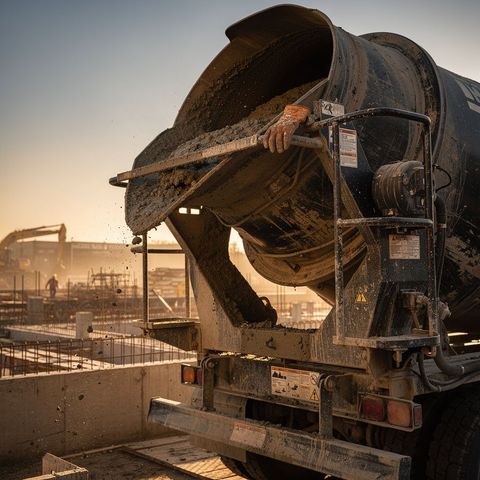
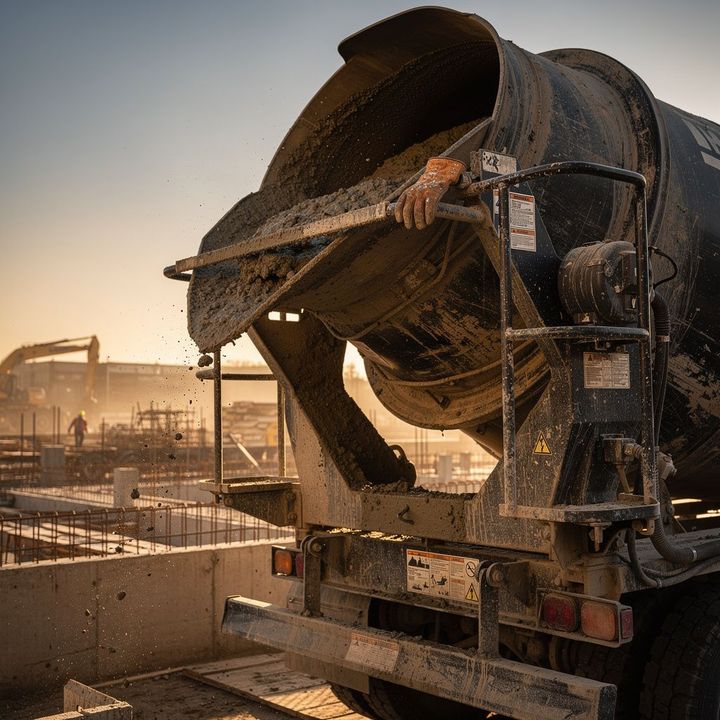
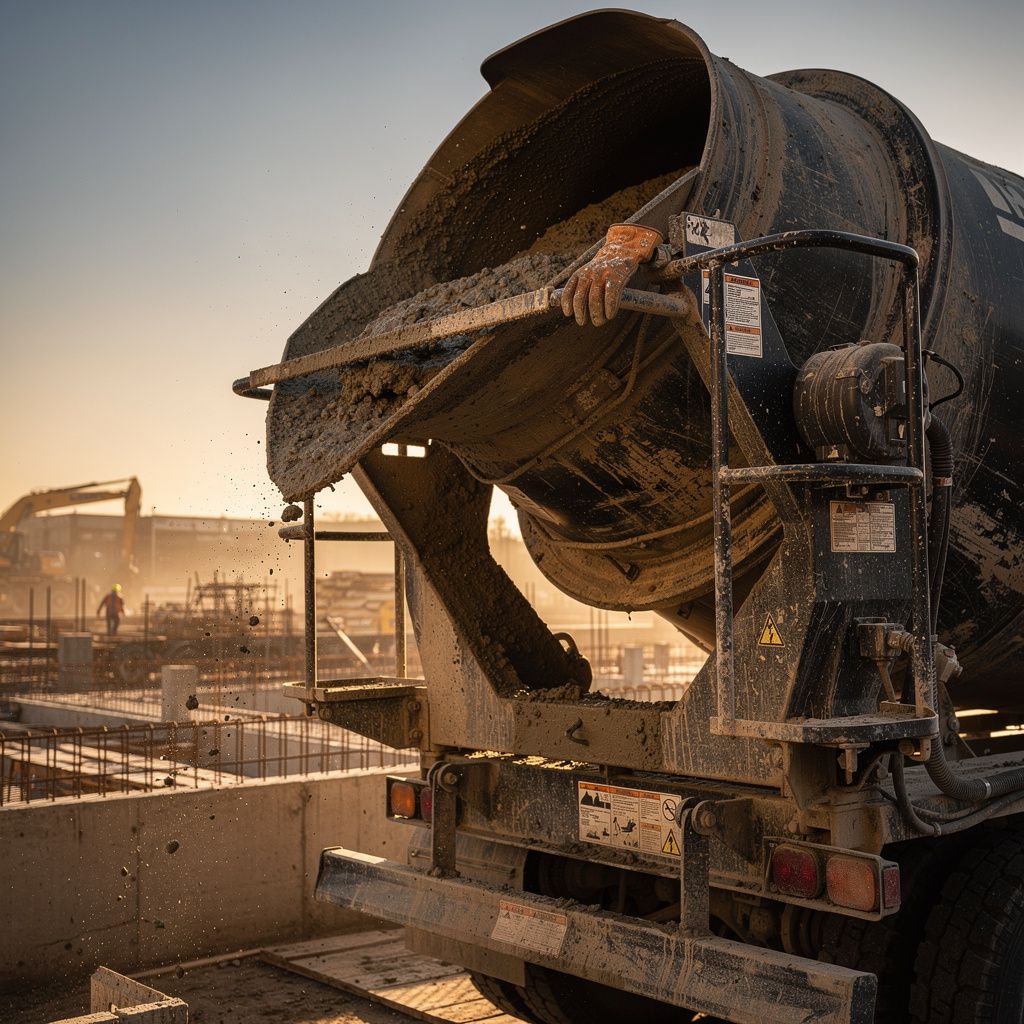
Drum or barrel mixers feature a rotating cylindrical drum that tumbles concrete ingredients together. These are the most common type found on construction sites and in rental facilities. Drum mixers come in various sizes, from small portable units suitable for residential work to large truck-mounted versions for commercial projects. They're versatile, relatively affordable, and effective for general concrete mixing applications.
Planetary Mixers
Planetary mixers use rotating paddles that move in a planetary motion around a stationary bowl. These mixers excel at producing highly uniform, high-quality concrete with minimal segregation. They're ideal for specialized applications requiring precise mixing, such as decorative concrete, self-consolidating concrete, or concrete with sensitive additives. Planetary mixers typically cost more than drum mixers but deliver superior consistency.
Pan Mixers
Pan mixers feature a rotating pan with fixed mixing blades or paddles. These machines are commonly used in ready-mix concrete plants and large-scale operations. Pan mixers handle high volumes efficiently and produce excellent mixing quality. They're particularly effective for incorporating various aggregates and additives uniformly throughout the batch.
Twin-Shaft Mixers
Twin-shaft mixers use two counter-rotating shafts with mixing blades to blend concrete ingredients. These machines are excellent for high-volume production and creating specialized concrete mixes. They're commonly found in concrete manufacturing facilities and large construction operations.
Key Features and Specifications
When evaluating concrete mixers, several important features influence performance and suitability for your needs.
Capacity and Volume
Mixer capacity ranges from small 5-gallon portable units to massive 10+ cubic yard industrial machines. Consider your typical batch size requirements and project scale. Larger capacity mixers reduce the number of batches needed but require more storage space and handling equipment.
Motor Power and Speed
Motor horsepower affects mixing efficiency and the ability to handle thick, heavy concrete mixes. Variable speed options provide flexibility for different mix designs and material types. Higher-powered motors can process tougher mixes and operate more consistently under load.
Mixing Time
Efficient mixers complete quality batches in 2-5 minutes, depending on mixer type and mix design. Faster mixing times increase productivity on job sites, though some specialty mixes may require longer processing periods.
Portability and Transport
Portable mixers with wheels, handles, or mounting brackets offer flexibility for multiple job sites. Consider whether you need a stationary unit for a permanent location or mobile equipment for various projects.
Durability and Construction
Heavy-duty steel construction, reinforced drums, and quality bearings ensure longevity. Stainless steel or epoxy-coated components resist corrosion and concrete damage better than standard materials.
Current Industry Trends
The concrete mixer industry continues evolving with technological advancements and changing project demands. Electric-powered mixers are gaining popularity due to environmental concerns and reduced noise pollution compared to gas-powered models. Battery-powered portable mixers are emerging, offering convenience for smaller projects without emissions.
Smart mixer technology is developing, incorporating sensors and digital controls for precise mixing parameters, batch tracking, and maintenance alerts. Manufacturers are also focusing on user-friendly designs with improved safety features, easier cleaning mechanisms, and reduced vibration levels. Additionally, there's increased emphasis on sustainability, with mixers designed for energy efficiency and reduced material waste.
Comparison Table: Concrete Mixer Types
| Mixer Type | Capacity | Mixing Quality | Cost | Best For |
|---|---|---|---|---|
| Drum Mixer | 5-10 cubic yards | Good | Moderate | General construction, residential |
| Planetary Mixer | 1-5 cubic yards | Excellent | High | Decorative concrete, specialty mixes |
| Pan Mixer | 5-15 cubic yards | Excellent | High | Commercial production, high volume |
| Twin-Shaft Mixer | 10-20 cubic yards | Excellent | Very High | Industrial production, large projects |
How to Select the Right Concrete Mixer
Choosing the appropriate concrete mixer requires evaluating several factors specific to your needs.
Assess Your Project Requirements: Determine the total volume of concrete needed, mixing frequency, and project timeline. Small residential projects may require only occasional mixing, while commercial operations need continuous production capacity.
Consider Space and Storage: Evaluate available space for equipment storage, setup, and operation. Portable units work well for tight spaces, while stationary mixers suit permanent installations.
Evaluate Budget Constraints: Balance initial purchase or rental costs against long-term operational expenses, maintenance requirements, and potential resale value. Sometimes renting is more economical for one-time projects.
Review Mix Design Requirements: Different concrete applications require varying mixing approaches. Specialty concrete, decorative finishes, or high-performance mixes may benefit from planetary or pan mixers, while standard concrete works well with drum mixers.
Examine Power Options: Choose between electric, gas, or battery-powered models based on site conditions, environmental regulations, and operational convenience.
Concrete Mixer Selection Checklist
- Determine required batch capacity and volume
- Assess available space for equipment placement
- Identify power source availability (electric, gas, battery)
- Evaluate portability and transport needs
- Review mixing quality requirements for your project
- Calculate total project costs including rental or purchase
- Verify warranty and after-sales support options
- Check maintenance and cleaning requirements
- Confirm safety features and operator training availability
- Research equipment reliability and user reviews
Practical Tips for Operating Concrete Mixers
Proper Loading Sequence: Add dry ingredients first, then gradually introduce water while the mixer operates. This prevents clumping and ensures thorough blending of all components.
Monitor Mixing Time: Avoid over-mixing, which can incorporate excess air and weaken concrete. Most concrete requires 3-5 minutes of mixing for optimal results.
Regular Cleaning: Clean the mixer immediately after use to prevent concrete hardening inside the drum or blades. This extends equipment life and maintains mixing efficiency.
Safety Precautions: Always wear appropriate personal protective equipment, keep hands and loose clothing away from rotating parts, and ensure proper grounding for electrical models.
Maintenance Schedule: Perform routine inspections of bearings, belts, and electrical components. Follow manufacturer recommendations for lubrication and part replacement to prevent breakdowns.
Frequently Asked Questions
What size concrete mixer do I need for a small residential project?
For small residential projects like patios or walkways, a portable drum mixer with 5-7 cubic foot capacity is typically sufficient. These units are easy to transport, affordable, and handle typical residential concrete volumes effectively.
How long does concrete take to mix in a standard mixer?
Most concrete requires 2-5 minutes of mixing, depending on mixer type, batch size, and mix design. Drum mixers typically need 3-5 minutes, while planetary mixers may achieve quality mixes in 2-3 minutes due to their superior mixing action.
Can I use a concrete mixer for other materials?
Yes, concrete mixers can blend other materials like mortar, stucco, tile grout, and some paint products. However, ensure the mixer is thoroughly cleaned between different material types to prevent contamination and maintain equipment performance.
What's the difference between renting and buying a concrete mixer?
Renting is economical for one-time or occasional projects, eliminating storage and maintenance concerns. Buying makes sense for ongoing operations or frequent use, though it requires storage space, regular maintenance, and initial capital investment.
How do I prevent concrete from hardening inside the mixer?
Clean the mixer immediately after use with water and a stiff brush. For stubborn concrete buildup, use a concrete release agent or allow water to soak inside the drum before scrubbing. Never allow concrete to cure inside the mixer.
Are electric or gas-powered mixers better for residential use?
Electric mixers are ideal for residential use due to quieter operation, lower emissions, and easier maintenance. Gas-powered models offer more portability and power for demanding applications but produce more noise and require fuel management.
Conclusion
Concrete mixers are indispensable equipment for construction, landscaping, and DIY projects, offering significant advantages in consistency, efficiency, and quality. Understanding the various mixer types—drum, planetary, pan, and twin-shaft—helps you select equipment perfectly suited to your specific needs. By evaluating capacity, motor power, mixing quality, and portability, you can make informed decisions that maximize productivity and project success. Whether you're tackling a small residential project or managing large-scale commercial operations, the right concrete mixer, combined with proper operation and maintenance practices, ensures reliable performance and excellent concrete results. Take time to assess your requirements carefully, and don't hesitate to consult with equipment specialists or experienced professionals when making your selection.