The Ultimate Guide to Luxury Safari Tours
Learn what defines luxury safari tours, key destinations, wildlife experiences, and how to select the ideal safari package for unforgettable African adventures.
Luxury safari tours represent the apex of wildlife tourism, offering meticulously curated experiences across Africa's most pristine ecosystems. Unlike standard safari packages, luxury tours prioritize exclusivity, personalization, and intimate wildlife encounters through private game drives, boutique accommodations, and expert naturalist guides. The luxury safari market has evolved significantly, with operators now emphasizing sustainable practices, cultural immersion, and customized itineraries that cater to specific wildlife interests—whether tracking African elephants during migration, observing predator-prey interactions, or documenting rare bird species. This guide explores the defining characteristics, destination options, operational structures, and selection criteria that distinguish premium safari experiences from conventional wildlife tours.
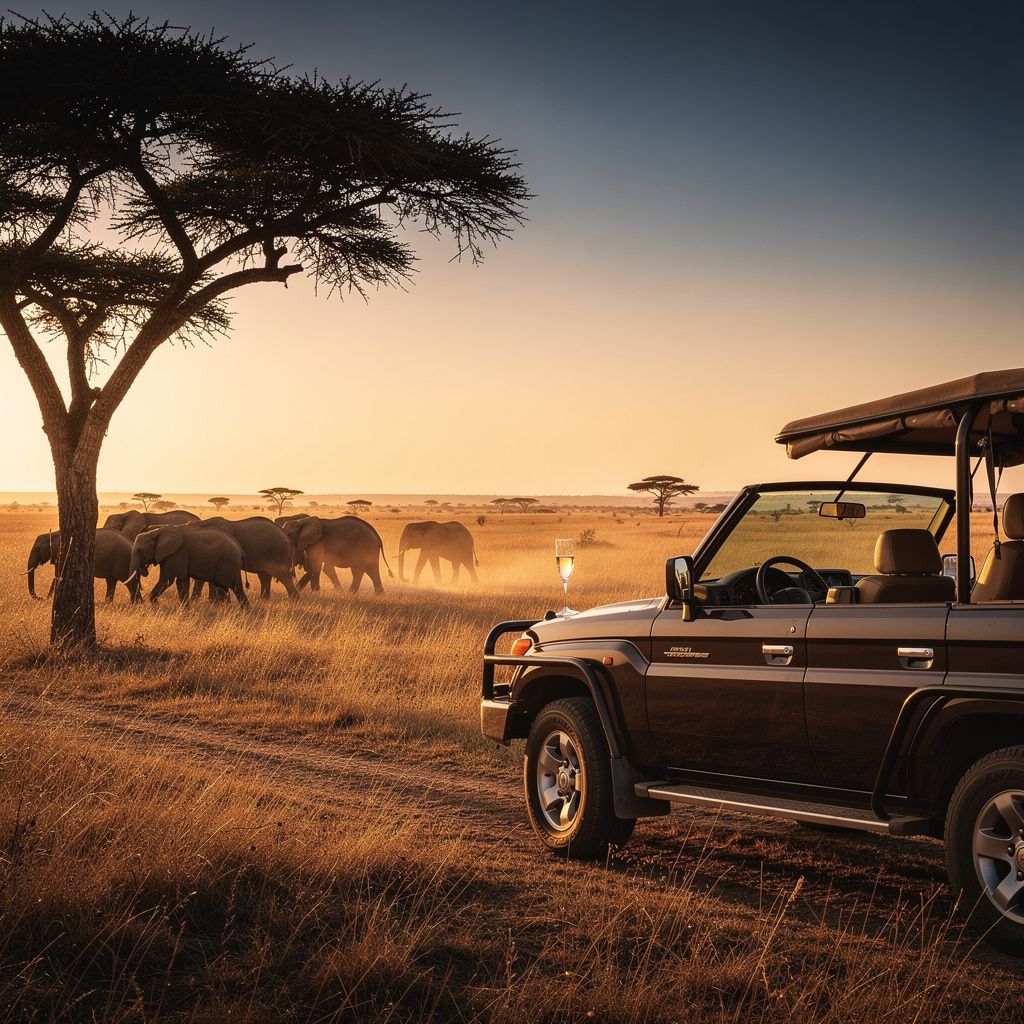
Core Benefits and Practical Limitations of Luxury Safari Tours
Luxury safari tours deliver several substantive advantages over standard wildlife experiences. Private game drives eliminate the crowding common in group-based tours, allowing uninterrupted wildlife observation and photography opportunities. Expert guides—typically holding advanced certifications in wildlife biology, ecology, and animal behavior—provide contextual knowledge that transforms simple sightings into educational experiences. They interpret animal behavior, identify species by vocalizations, track movement patterns, and explain ecosystem dynamics in real-time.
Boutique accommodations in luxury safari operations typically feature 8-20 suites per lodge, compared to 50-100+ rooms in standard facilities. This scale enables personalized service, flexible meal timing, and customized activity scheduling. Many luxury lodges incorporate sustainable design principles, utilizing solar power, rainwater harvesting, and locally-sourced materials.
Practical limitations merit consideration. Luxury safari tours command premium pricing—typically ranging from $500-1,500+ per person daily, depending on destination, season, and accommodation tier. Weather unpredictability affects wildlife visibility; the dry season (June-October in East Africa) provides optimal conditions but coincides with peak pricing. Certain rare species remain elusive regardless of tour quality; leopard and wild dog sightings, while possible, cannot be guaranteed.
Major Luxury Safari Destinations and Their Distinct Characteristics
Tanzania's Serengeti National Park spans approximately 14,750 square kilometers and hosts the world's largest terrestrial mammal migration—approximately 1.5 million wildebeest, 200,000 zebras, and 300,000 gazelles traverse the ecosystem annually. The migration follows predictable patterns: wildebeest concentrate in the southern plains (December-March), move to the western corridor (April-May), and reach the northern Masai Mara (July-October). Luxury operators position lodges strategically to intercept migration movements, offering guests opportunities to witness river crossings and predator-prey interactions.
Botswana's Okavango Delta functions as a unique inland delta ecosystem where the Okavango River disperses across 15,000 square kilometers of floodplains, creating seasonal water channels and wildlife concentration zones. Unlike traditional savanna ecosystems, the delta supports aquatic species including hippos, crocodiles, and water birds alongside terrestrial megafauna. Luxury camps utilize traditional mokoro (dugout canoes) and motorized boats for water-based game viewing, complementing land-based drives.
Kenya's Maasai Mara National Reserve covers 1,510 square kilometers and serves as the northern extension of Tanzania's Serengeti ecosystem. The reserve supports year-round resident populations of lions, leopards, African buffalo, and elephants, with seasonal migration influxes July-October. The Mara's proximity to Nairobi (approximately 270 kilometers) makes it accessible for shorter safari itineraries.
South Africa's Kruger National Park encompasses 19,485 square kilometers and represents the continent's most developed safari infrastructure. The park supports 147 mammal species, 517 bird species, and maintains year-round wildlife viewing. Luxury operations in Kruger emphasize specialized experiences—nocturnal game drives, walking safaris, and predator-tracking programs—rather than relying solely on migration spectacles.
Luxury Safari Accommodation Standards and Operational Features
Luxury safari lodges typically operate within specific quality parameters that distinguish them from mid-range facilities. Accommodation density rarely exceeds 20 suites per lodge, with many premium properties limiting occupancy to 12 or fewer units. Suite configurations commonly feature en-suite bathrooms with hot water systems powered by solar or gas heating, private viewing decks or verandas, and climate control systems suitable for African conditions.
Dining operations emphasize locally-sourced ingredients, with many luxury lodges employing chefs trained in international culinary traditions. Meal timing accommodates early-morning game drives (typically departing 5:30-6:00 AM) through pre-dawn breakfast service and late-afternoon drives through flexible dinner scheduling. Some properties offer bush dining experiences—meals served in remote locations within the reserve—combining culinary experiences with wildlife immersion.
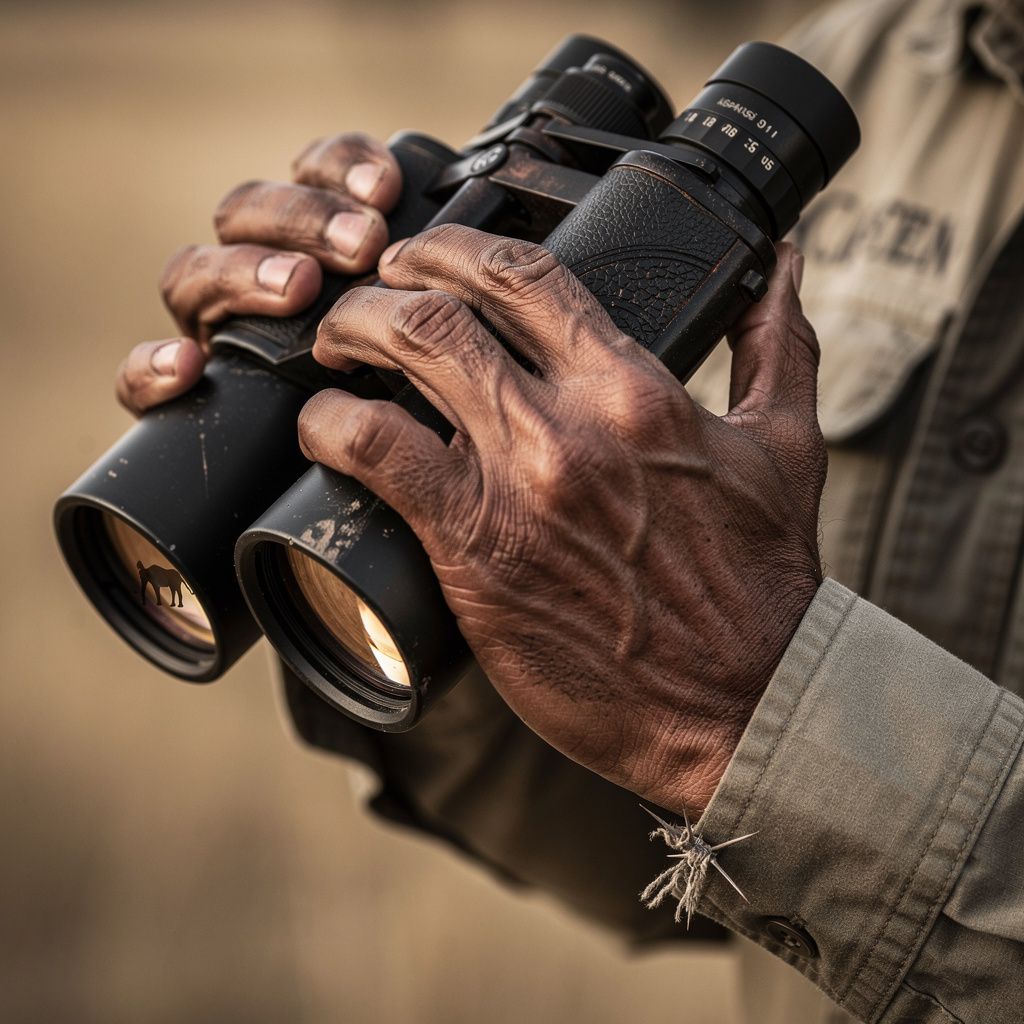
Guide qualifications in luxury operations typically require minimum certifications: Level 1 or Level 2 guide licenses (East African standards), advanced wildlife identification training, and often university-level education in biology, ecology, or wildlife management. Premium operators employ guides with 10+ years of field experience, enabling nuanced animal behavior interpretation and rare species location knowledge.
Wildlife Viewing Optimization and Seasonal Patterns
Luxury safari success depends on understanding seasonal wildlife distribution and movement patterns. The dry season (June-October in East Africa, May-September in Southern Africa) concentrates wildlife around permanent water sources, increasing sighting probability. Vegetation density decreases during dry periods, improving visibility for photography and observation.
Wet season dynamics (November-May in East Africa) disperse wildlife across broader territories as temporary water sources become available. However, wet season offers advantages: lush vegetation supports higher herbivore populations, predator activity increases as prey becomes more vulnerable in wet conditions, and bird diversity peaks with migratory species arrivals.
Luxury operators structure itineraries around these patterns. Multi-destination packages combine wet-season advantages (lower pricing, fewer tourists, exceptional bird watching) with dry-season benefits (concentrated wildlife, optimal photography conditions). A typical 10-day luxury safari might allocate 4 days to the Serengeti during migration season, 3 days to the Ngorongoro Crater for concentrated wildlife viewing, and 3 days to the Okavango Delta for aquatic species observation.
Conservation Practices and Sustainable Tourism Operations
Legitimate luxury safari operators integrate conservation funding into their business models. Many properties allocate 5-10% of revenue to wildlife protection, anti-poaching initiatives, and habitat restoration. Community-based conservation programs employ local residents as guides, trackers, and lodge staff, creating economic incentives for wildlife protection.
Sustainable tourism practices in luxury operations include: restricted vehicle numbers per sighting (maximum 3-4 vehicles at predator kills), designated wildlife corridors preventing habitat fragmentation, waste management systems utilizing composting and recycling, and water conservation protocols limiting lodge consumption to 20-30 liters per guest daily.
Certification programs—including the Global Sustainable Tourism Council standards and African Travel and Tourism Association guidelines—provide third-party verification of operator sustainability commitments. Premium operators increasingly pursue these certifications, demonstrating accountability to conservation principles.
Types of Luxury Safari Experiences and Specialization Options
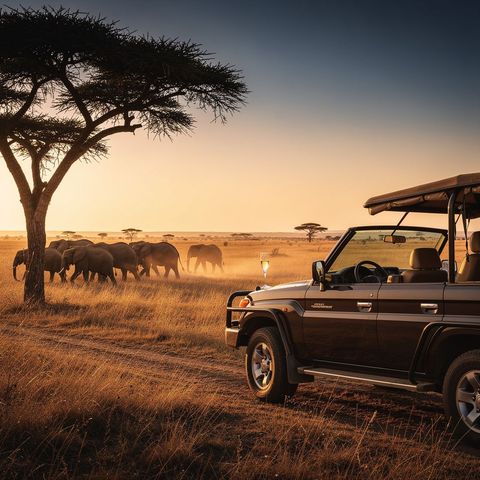
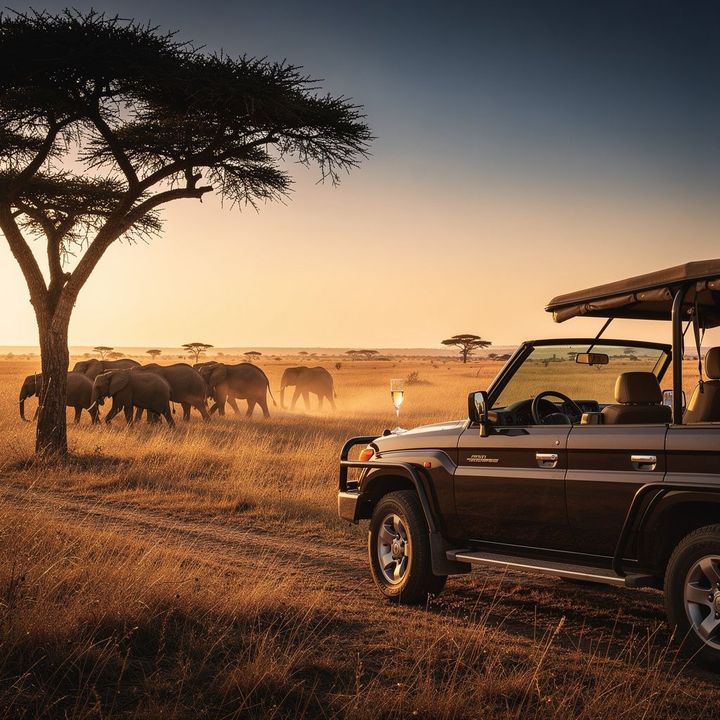
Traditional game drive safaris remain the foundational experience, utilizing open-sided vehicles for unobstructed wildlife observation. Luxury operators enhance this through private vehicle allocation, ensuring guests never share vehicles with other tour groups.
Walking safaris, typically conducted with armed guides in designated reserve areas, provide intimate ecosystem engagement. Guides interpret plant ecology, insect behavior, and predator-prey relationships at ground level. Walking safaris require physical fitness and typically accommodate 4-6 guests per guide.
Specialized photographic safaris cater to professional and advanced amateur photographers. These itineraries prioritize extended sighting duration, optimal lighting conditions (early morning and late afternoon), and guide expertise in animal behavior prediction. Accommodations often feature charging facilities, image backup systems, and naturalist guides trained in wildlife photography principles.
Birding-focused safaris emphasize avian species identification and observation. Africa hosts over 2,000 bird species; luxury birding operations employ guides with ornithological expertise and position camps in high-biodiversity zones. The Okavango Delta and Serengeti support 400+ bird species each, making them premier birding destinations.
Cultural immersion packages integrate Maasai, Samburu, or San community interactions alongside wildlife viewing. These experiences typically involve village visits, cultural demonstrations, and educational exchanges with community members, providing context for human-wildlife coexistence in African ecosystems.
Guide Expertise and Its Impact on Safari Quality
Professional guides represent the critical differentiator between standard and luxury safari experiences. Expert guides demonstrate competency across multiple domains: wildlife identification (visual and auditory), animal behavior interpretation, ecological knowledge, photography guidance, and cultural context provision.
Advanced guides employ sophisticated tracking techniques, reading animal spoor (tracks and signs) to determine species, direction of travel, and temporal proximity of sightings. They interpret subtle behavioral cues—ear positioning, body posture, vocalization patterns—that indicate predator hunting intent, territorial disputes, or reproductive readiness.
Luxury operators invest in continuous guide training, conducting monthly workshops on emerging wildlife research, new identification techniques, and guest service excellence. Many premium properties maintain relationships with research institutions, providing guides access to current ecological data and animal behavior studies.
Evaluating and Selecting Luxury Safari Operators
Selecting appropriate luxury safari operators requires systematic evaluation across multiple criteria. Operator longevity provides reliability indicators; established companies (operating 15+ years) demonstrate sustained business viability and accumulated destination expertise. Accreditation through recognized tourism boards—Kenya Tourism Board, Tanzania Tourist Board, Botswana Tourism Organization—indicates regulatory compliance and professional standards.
Guest testimonials and independent reviews on specialized platforms (Safari Talk forums, TripAdvisor safari-specific sections) provide authentic feedback on guide quality, accommodation conditions, and wildlife encounter success rates. Review patterns revealing consistent themes (e.g., "exceptional guides," "crowded game drives," "unreliable transportation") indicate systematic operational characteristics.
Operator specialization matters significantly. Companies focusing exclusively on specific destinations (e.g., Serengeti specialists) accumulate deeper destination knowledge than generalist operators offering 15+ African countries. Specialization correlates with guide expertise, optimal lodge relationships, and nuanced seasonal planning.
Conservation credentials warrant investigation. Operators holding GSTC certification, participating in recognized anti-poaching initiatives, or maintaining documented community partnerships demonstrate sustainability commitment beyond marketing rhetoric. Request specific conservation metrics: annual anti-poaching expenditures, community employment percentages, and habitat restoration project details.
Practical Safari Planning and Itinerary Optimization
Effective safari planning requires understanding personal priorities and matching them to destination characteristics. Wildlife enthusiasts prioritizing megafauna (lions, elephants, buffalo) should target dry-season Serengeti or Kruger operations. Photographers seeking dramatic predator interactions benefit from concentrated wet-season predator activity in specific reserves. Birders maximize species diversity during wet season when migratory species arrive.
Itinerary duration significantly impacts experience quality. 3-4 day safaris provide introductory experiences but limit deep ecosystem understanding. 7-10 day itineraries allow multi-destination combinations, acclimatization to early morning schedules, and recovery days for processing experiences. Extended 14+ day safaris enable specialized focus—dedicated photographic projects, comprehensive species documentation, or cultural immersion programs.
Pre-safari preparation enhances experience quality. Reading destination-specific field guides, reviewing recent wildlife sighting reports, and understanding seasonal migration patterns contextualize in-field observations. Physical conditioning for early morning departures (typically 5:30 AM) and extended vehicle time reduces fatigue and improves observation focus.
Comparison of Major Luxury Safari Destinations
| Destination | Primary Season | Key Wildlife | Accommodation Style | Specialization |
|---|---|---|---|---|
| Serengeti, Tanzania | June-October | Wildebeest migration, lions, leopards | Tented camps, lodges | Migration spectacles, predator behavior |
| Okavango Delta, Botswana | May-September | Elephants, hippos, water birds | Luxury camps, water-based access | Aquatic ecosystems, water-based viewing |
| Maasai Mara, Kenya | July-October | Lions, cheetahs, zebras | Lodges, tented camps | Migration, predator interactions |
| Kruger, South Africa | Year-round | All African megafauna | Luxury lodges, private reserves | Specialized experiences, nocturnal drives |
| Ngorongoro, Tanzania | Year-round | Concentrated wildlife, endemic species | Crater rim lodges | Concentrated viewing, endemic species |
Essential Safari Planning Checklist
- Define primary wildlife interests and seasonal availability for target species
- Establish budget parameters including accommodation tier and itinerary duration
- Research operator credentials, certifications, and conservation commitments
- Review recent guest testimonials focusing on guide quality and wildlife encounter success
- Verify visa requirements and health documentation (vaccinations, malaria prophylaxis)
- Confirm travel insurance coverage for medical evacuation and trip cancellation
- Arrange pre-safari fitness conditioning for early morning schedules
- Acquire destination-specific field guides and wildlife identification resources
- Prepare photography equipment and confirm camera compatibility with guide assistance
- Establish communication expectations with operator regarding special interests or accessibility needs
- Review packing recommendations for climate conditions and reserve-specific requirements
- Confirm transportation logistics from international airports to safari properties
Frequently Asked Questions About Luxury Safari Tours
What distinguishes luxury safari tours from standard safari packages?
Luxury safaris differentiate through accommodation exclusivity (typically 8-20 suites versus 50-100+ rooms), private vehicle allocation, guide expertise levels, and personalized itinerary customization. Luxury properties emphasize intimate wildlife encounters through restricted vehicle numbers at sightings, expert naturalist guides with advanced certifications, and boutique service standards. Standard packages prioritize cost efficiency through group vehicle sharing, larger lodge capacities, and fixed itineraries. Luxury operations typically allocate 40-50% of daily costs to guide expertise and conservation contributions, while standard packages allocate 15-20%.
What is the optimal season for luxury safari visits?
The dry season (June-October in East Africa, May-September in Southern Africa) provides concentrated wildlife viewing, optimal photography conditions, and reduced malaria transmission risk. However, dry season coincides with peak pricing (30-50% premium over wet season). Wet season (November-May in East Africa) offers lower pricing, exceptional bird diversity, lush vegetation, and increased predator activity. The optimal season depends on personal priorities: migration spectacles favor dry season; photography and birding benefit from wet season conditions. Shoulder seasons (May-June and October-November) provide balanced conditions with moderate pricing.
How do professional safari guides enhance wildlife viewing experiences?
Expert guides employ multiple competencies: wildlife identification through visual characteristics, vocalizations, and spoor (tracks/signs); behavioral interpretation predicting animal movements; ecological knowledge explaining predator-prey relationships and habitat dynamics; and photography guidance optimizing composition and lighting. Advanced guides track animal movements across reserves, maintaining mental maps of predator territories, herbivore concentration zones, and rare species locations. They interpret subtle behavioral cues—ear positioning, body posture, vocalization patterns—indicating hunting intent, territorial disputes, or reproductive readiness. This expertise transforms simple sightings into educational experiences, contextualizing observations within broader ecological frameworks.
What conservation practices should luxury safari operators demonstrate?
Legitimate luxury operators allocate 5-10% of revenue to wildlife protection, anti-poaching initiatives, and habitat restoration. Sustainable practices include: restricted vehicle numbers per sighting (maximum 3-4 vehicles), designated wildlife corridors preventing habitat fragmentation, waste management systems utilizing composting and recycling, water conservation limiting consumption to 20-30 liters per guest daily, and community employment creating economic incentives for wildlife protection. Third-party verification through Global Sustainable Tourism Council certification or African Travel and Tourism Association membership indicates accountability. Request specific metrics: annual anti-poaching expenditures, community employment percentages, and documented habitat restoration projects.
How should travelers prepare physically and mentally for safari experiences?
Physical preparation involves conditioning for early morning departures (typically 5:30 AM) and extended vehicle time (6-8 hours daily across rough terrain). Walking safaris require cardiovascular fitness and lower-body strength for uneven terrain navigation. Mental preparation includes reading destination-specific field guides, reviewing recent wildlife sighting reports, and establishing realistic expectations regarding rare species encounters. Understanding seasonal migration patterns and wildlife distribution contextualizes in-field observations, enhancing educational value. Adjusting sleep schedules to accommodate early departures reduces first-day fatigue. Practicing patience and observation skills—focusing on subtle behavioral cues rather than seeking dramatic action—improves overall satisfaction and guide interaction quality.
What photographic equipment and techniques optimize safari image capture?
Professional safari photography typically requires telephoto lenses (200-600mm focal lengths) for distant wildlife, fast shutter speeds (1/1000 second minimum) compensating for vehicle movement, and high ISO settings (1600-3200) for low-light conditions during early morning and late afternoon drives. Mirrorless camera systems offer advantages over DSLRs: faster autofocus tracking predator movements, silent operation reducing wildlife disturbance, and superior low-light performance. Guides trained in wildlife photography principles optimize positioning and timing for optimal lighting and subject positioning. Backup power systems and image storage devices protect irreplaceable photographs. Many luxury operators provide charging facilities and image backup systems for extended multi-day safaris.
Key Takeaways for Luxury Safari Planning
Luxury safari tours represent transformative wildlife experiences distinguished by private vehicle allocation, expert naturalist guides, boutique accommodations, and personalized itineraries. Major destinations—Tanzania's Serengeti, Botswana's Okavango Delta, Kenya's Maasai Mara, and South Africa's Kruger—each offer distinct wildlife encounters and seasonal advantages. Dry season (June-October in East Africa) provides concentrated wildlife viewing and optimal photography conditions, while wet season offers lower pricing and exceptional bird diversity. Operator selection requires systematic evaluation: verify accreditation through tourism boards, review conservation credentials and sustainability commitments, assess guide qualifications and experience levels, and examine guest testimonials for consistent service quality indicators. Effective planning involves defining wildlife priorities, establishing budget parameters, confirming health and visa requirements, and acquiring destination-specific field guides. Physical conditioning for early morning schedules and mental preparation through pre-safari research enhance experience satisfaction and guide interaction quality. Multi-destination itineraries combining 7-10 days allow deep ecosystem understanding and specialized focus areas—whether photography, birding, or cultural immersion—that distinguish memorable safaris from superficial wildlife tourism experiences.