Ultimate Guide to Dubai Desert Safaris
Explore Dubai desert safaris with comprehensive insights on types, wildlife, activities, best times to visit, and practical planning tips for an unforgettable
Dubai desert safaris represent one of the Middle East's most sought-after experiences, combining adventure, wildlife observation, and cultural immersion in one of Earth's most extreme environments. The Arabian Desert surrounding Dubai spans over 2,000 square kilometers of pristine dunes, wadis, and salt flats, hosting a complex ecosystem adapted to intense heat, minimal rainfall, and scarce water resources. Understanding the mechanics of desert safari operations, the wildlife you'll encounter, and the practical logistics involved transforms a tourist activity into an educational expedition that reveals the resilience and beauty of desert life.
Types of Desert Safaris Available in Dubai
Dubai offers several distinct safari formats, each providing different perspectives on the desert landscape and wildlife. Morning safaris typically run from 6:00 AM to 11:00 AM, taking advantage of cooler temperatures when desert animals are most active. These expeditions focus on wildlife spotting, with experienced guides navigating to locations where Arabian oryx, gazelles, and various bird species congregate around water sources and vegetation patches. Morning safaris involve minimal stops and prioritize animal observation over recreational activities.
Afternoon safaris operate from 3:00 PM to 7:00 PM, combining dune bashing with cultural experiences. These tours emphasize the dramatic landscape aesthetics, particularly the shifting light across sand formations during late afternoon hours. Operators typically include stops at Bedouin-style camps featuring traditional architecture, handicraft demonstrations, and refreshment facilities. The cooler evening temperatures make this format popular for visitors with lower heat tolerance.
Overnight safaris extend the experience across 24 hours or more, featuring camping under stars with full meals, entertainment, and guided night-time wildlife observation. These expeditions allow visitors to experience the desert's temperature fluctuations, observe nocturnal species, and witness astronomical phenomena free from light pollution. Overnight safaris require higher physical fitness levels and advance preparation but provide the most comprehensive desert immersion.
Specialized expeditions focus on specific interests: photography safaris prioritize optimal lighting and animal positioning for image capture, conservation-focused tours emphasize ecological education and habitat preservation, and adventure safaris integrate activities like sandboarding, quad biking, or camel trekking alongside traditional observation.
Desert Wildlife and Ecosystem Adaptation
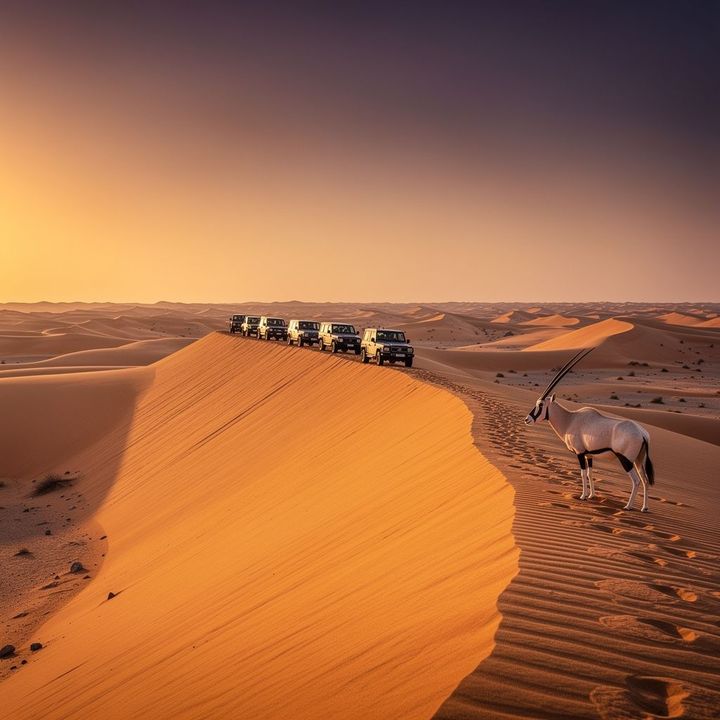
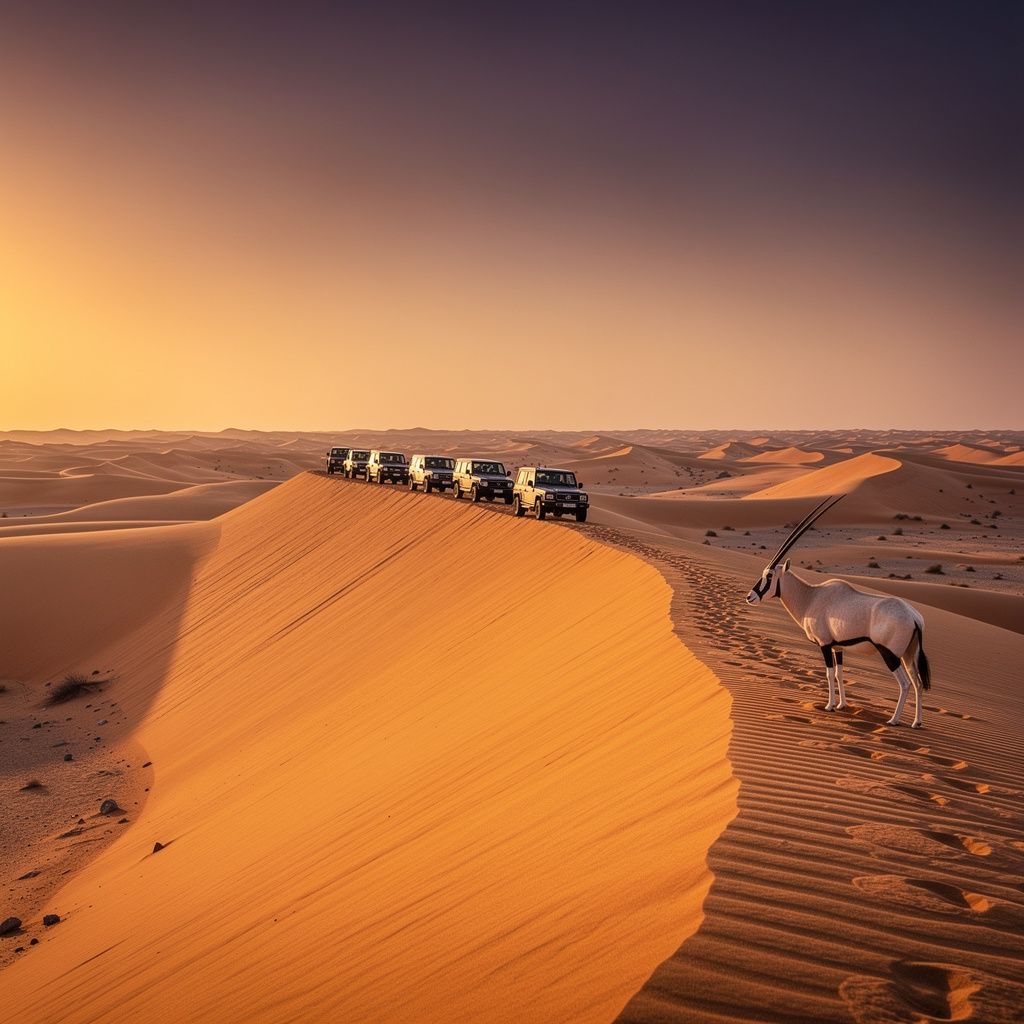
The Arabian Desert ecosystem supports approximately 60 mammal species, 300 bird species, and numerous reptiles and insects, each exhibiting remarkable physiological adaptations to extreme conditions. The Arabian oryx, a large antelope standing 3.5 to 4 feet tall and weighing 100 to 150 pounds, represents the desert's most iconic large mammal. This species survives through behavioral adaptations including nocturnal activity patterns, the ability to detect rainfall from distances exceeding 50 miles, and metabolic processes that minimize water loss through urine concentration and reduced sweating.
Gazelles, including the Arabian red gazelle and mountain gazelle, navigate the desert through similar mechanisms: their large ears facilitate heat dissipation, their kidneys concentrate urine to extreme levels, and their digestive systems extract maximum moisture from sparse vegetation. These animals typically move in herds of 10 to 30 individuals, following seasonal water and vegetation patterns across vast territories.
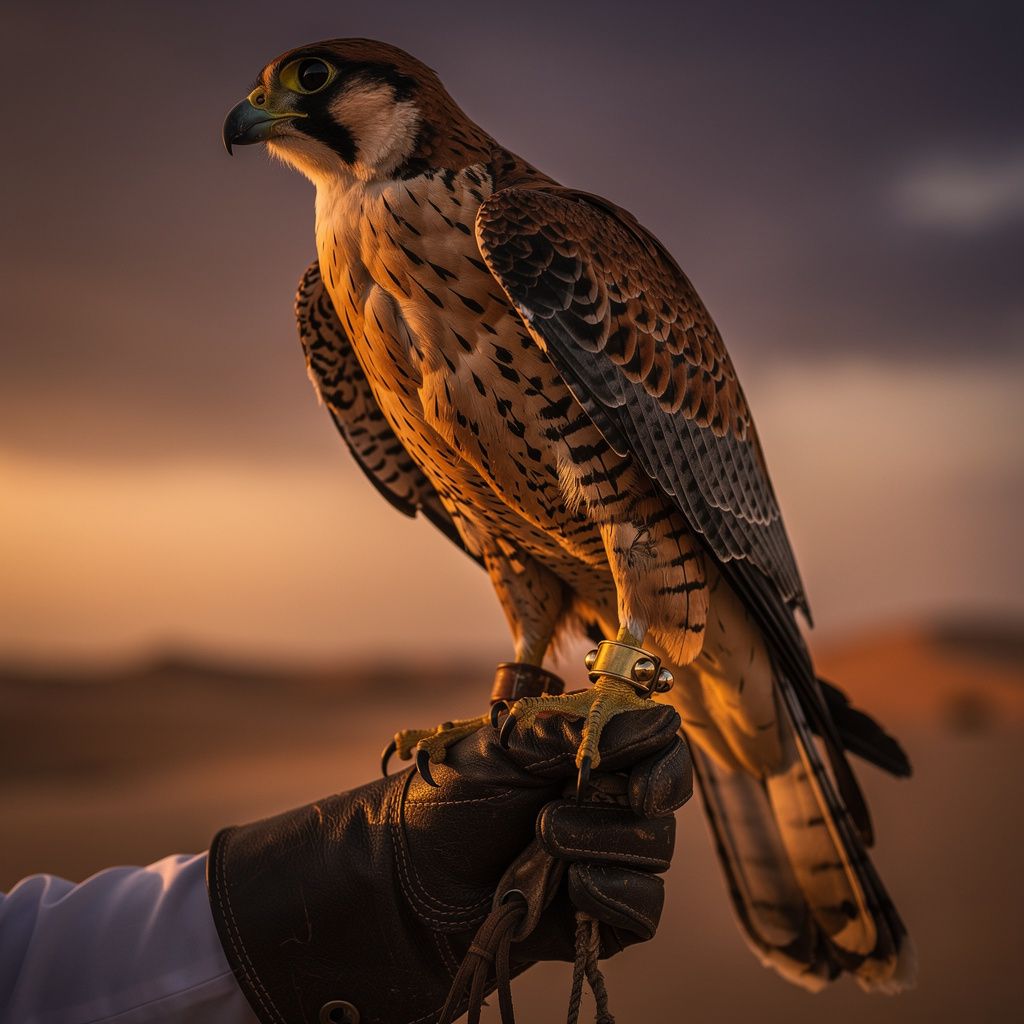
Raptors dominate the avian ecosystem, with peregrine falcons, golden eagles, and various hawk species hunting smaller animals and birds. These predators possess exceptional eyesight capable of detecting prey movement from altitudes exceeding 3,000 feet. Nocturnal species including Arabian red foxes, hyenas, and various owl species emerge during cooler night hours to hunt small mammals, insects, and birds.
Desert vegetation, though sparse, plays a critical ecological role. Acacia trees, date palms in oasis areas, and hardy shrubs like ghaf trees provide food sources and shelter. These plants exhibit deep root systems extending 50 to 100 feet downward to access groundwater, reduced leaf surface areas to minimize water loss, and seasonal dormancy periods during extreme heat.
Optimal Seasons and Weather Considerations
Dubai's desert climate exhibits extreme seasonal variation, with summer temperatures reaching 120 to 125 degrees Fahrenheit (49 to 52 degrees Celsius) and winter temperatures ranging from 60 to 75 degrees Fahrenheit (15 to 24 degrees Celsius). The optimal safari season spans November through March, when daytime temperatures remain comfortable for extended outdoor activity and wildlife is most active during daylight hours. During these months, rainfall occurs occasionally, creating temporary water sources that attract concentrated wildlife populations.
April through October presents significant challenges: summer months feature oppressive heat that restricts animal activity to pre-dawn and post-dusk hours, reducing daytime observation opportunities. Heat-related health risks increase substantially, requiring enhanced hydration protocols and medical precautions. However, late afternoon and evening safaris during shoulder months (April-May and September-October) remain viable for visitors with appropriate preparation.
Annual rainfall averages only 4 inches (100 millimeters), concentrated primarily in winter months. Following rare rainfall events, desert ecosystems experience temporary transformation with accelerated vegetation growth and increased animal activity, creating exceptional observation opportunities.
Physical Requirements and Health Considerations
Desert safaris demand varying physical capabilities depending on safari type. Morning and afternoon safaris primarily involve sitting in air-conditioned vehicles with brief walking periods of 10 to 30 minutes. Basic mobility and ability to transfer in and out of vehicles represent the primary requirements. Overnight safaris require moderate fitness levels for camping setup, ground-level sleeping, and extended walking across uneven terrain.
Adventure safaris incorporating sandboarding, dune climbing, or camel trekking demand higher cardiovascular fitness. Sandboarding requires balance and leg strength comparable to snowboarding, while dune climbing involves ascending 100 to 300-foot sand formations in soft sand, significantly increasing exertion levels compared to flat terrain walking.
Heat acclimatization significantly impacts safari enjoyment and safety. Visitors arriving from cooler climates should allow 2 to 3 days for physiological adjustment before undertaking extended desert exposure. Proper hydration protocols—consuming 3 to 4 liters of water daily during desert activities—prevent dehydration-related complications including heat exhaustion and heat stroke. Individuals with cardiovascular conditions, respiratory issues, or heat sensitivity should consult medical professionals before booking.
Essential Preparation and Packing Strategies
Successful desert safaris require systematic preparation across multiple dimensions. Clothing selection prioritizes loose-fitting, light-colored garments that reflect heat while allowing air circulation. Long sleeves and pants protect against sun exposure and minor abrasions from desert plants. Closed-toe hiking boots with ankle support prevent injuries from uneven terrain and protect against scorpions and other ground-dwelling creatures.
Sun protection represents a critical component: broad-spectrum sunscreen with SPF 50 or higher should be applied every 2 hours, particularly on exposed areas including ears, neck, and the tops of feet. Wide-brimmed hats or head coverings protect the scalp and face. Sunglasses with UV protection reduce eye strain and prevent photokeratitis (sun-induced eye damage).
Hydration equipment includes personal water bottles with insulation capability to maintain cool temperatures throughout the day. Electrolyte replacement beverages containing sodium and potassium help maintain proper mineral balance during extended heat exposure. Medications for altitude-related concerns are unnecessary in desert environments, but pain relievers, anti-diarrheal medications, and antihistamines for allergic reactions should be included in personal medical kits.
Photography equipment requires protection from sand infiltration and heat damage. Sealed camera bags with silica gel desiccants prevent sand from entering sensitive mechanisms. Lens cleaning kits with microfiber cloths and lens solution address dust accumulation during extended outdoor activity.
Safari Booking Considerations and Operator Selection
Dubai's safari market includes operators ranging from established tourism companies with decades of operational history to smaller specialized guides. Reputable operators maintain consistent safety protocols, employ trained naturalist guides, and possess comprehensive liability insurance. Verification strategies include reviewing independent traveler ratings on established platforms, confirming guide certifications through tourism authorities, and requesting references from previous clients.
Pricing varies substantially based on safari type, duration, group size, and included amenities. Standard afternoon safaris range from 80 to 150 UAE dirhams (approximately 22 to 41 US dollars) per person, while overnight expeditions cost 250 to 400 dirhams (68 to 109 US dollars) per person. Specialized expeditions including photography-focused tours or conservation-based experiences command premium pricing of 300 to 600 dirhams (82 to 163 US dollars) per person.
Group sizes significantly impact experience quality. Large group tours with 40 to 60 participants reduce personalized attention and increase vehicle congestion at wildlife viewing locations. Smaller groups of 8 to 15 participants allow more flexible routing, extended observation periods, and deeper guide interaction.
Safety Protocols and Risk Management
Professional safari operators implement comprehensive safety frameworks addressing environmental hazards, wildlife interactions, and medical emergencies. Vehicle maintenance protocols ensure all-terrain vehicles receive regular inspections, with particular attention to tire condition, brake systems, and communication equipment. Drivers undergo training in desert navigation, emergency procedures, and wildlife behavior recognition.
Wildlife safety protocols emphasize observation distance maintenance, typically 100 feet or greater from large animals. While Arabian wildlife poses minimal threat to humans compared to African safari species, certain scenarios require caution: mother animals protecting offspring exhibit defensive behavior, and nocturnal predators may approach camps if food sources remain accessible. Guides educate participants on appropriate behavior including avoiding sudden movements, maintaining quiet observation, and never attempting to feed or touch animals.
Medical emergency response includes satellite communication systems enabling contact with rescue services in remote locations, first aid kits stocked with supplies for treating heat-related illness and minor injuries, and guides trained in basic emergency medical procedures. Evacuation protocols establish procedures for helicopter rescue in severe medical emergencies, with costs typically covered by comprehensive travel insurance policies.
Current Trends and Technological Innovations
Dubai's safari industry continues evolving through technological integration and sustainability initiatives. GPS-enabled tracking systems allow guides to locate animal populations in real-time, improving observation success rates. Thermal imaging cameras enable nocturnal wildlife observation, revealing animals invisible to standard human vision. Mobile applications provide pre-safari education, real-time species identification, and post-safari documentation of sightings.
Sustainability practices increasingly influence operator decisions, with growing emphasis on minimal environmental impact. Low-impact vehicle designs reduce sand disturbance and fuel consumption, while waste management protocols ensure camps leave no trace. Conservation partnerships support Arabian oryx breeding programs and habitat restoration initiatives, allowing visitors to contribute to species preservation through participation fees.
Virtual reality experiences complement traditional safaris, enabling pre-visit preparation through immersive desert environment simulations and post-visit review of recorded experiences. Drone photography services capture aerial perspectives of desert landscapes and wildlife aggregations, providing documentation impossible from ground level.
Key Features and Specifications to Evaluate
| Safari Type | Duration | Best For | Physical Demands | Cost Range |
|---|---|---|---|---|
| Morning Safari | 5 hours | Wildlife observation | Low | 80-120 AED |
| Afternoon Safari | 4 hours | Photography and culture | Low | 100-150 AED |
| Overnight Safari | 12-24 hours | Immersive experience | Moderate | 250-400 AED |
| Adventure Safari | 4-6 hours | Active recreation | High | 200-350 AED |
| Photography Safari | 6-8 hours | Professional imagery | Moderate | 300-500 AED |
Vehicle selection impacts comfort and observation quality. Modern air-conditioned SUVs accommodate 4 to 6 passengers with individual seating and large windows optimizing wildlife viewing. Open-air vehicles provide unobstructed photography and enhanced sensory experience but offer no heat protection. Specialized safari vehicles feature elevated seating positions improving sightlines and pop-up roofs allowing standing observation.
Guide expertise represents perhaps the most significant determinant of safari quality. Experienced naturalist guides possess encyclopedic knowledge of desert ecology, animal behavior patterns, and optimal viewing locations. Certification programs through tourism authorities establish minimum competency standards, though personal experience and passion for wildlife education distinguish exceptional guides.
Industry Landscape and Notable Implementations
Dubai's safari industry generates approximately 2 billion UAE dirhams (545 million US dollars) in annual revenue, supporting over 5,000 direct employment positions and substantially more indirect jobs. The sector represents a significant component of Dubai's tourism economy, attracting approximately 3 million international visitors annually, with desert safaris accounting for roughly 15 to 20 percent of tourism activities.
Major operators including Arabian Adventures, Desert Safari Dubai, and Platinum Heritage maintain fleets exceeding 100 vehicles and employ hundreds of guides. These established companies invest substantially in technology, training, and conservation initiatives, setting industry standards. Smaller specialized operators focusing on photography, conservation education, or luxury experiences serve niche markets with premium pricing and personalized services.
Conservation initiatives demonstrate the industry's commitment to environmental stewardship. The Arabian Oryx Sanctuary program, established through partnership between tourism operators and wildlife authorities, has successfully increased wild oryx populations from near-extinction in the 1970s to over 1,000 individuals today. Habitat restoration projects reclaim degraded desert areas, replanting native vegetation and restoring water sources that benefit wildlife populations.
Selection and Decision-Making Framework
Choosing an appropriate safari requires evaluating personal objectives, physical capabilities, and logistical constraints through systematic analysis. Begin by defining primary goals: wildlife observation, photography, cultural immersion, adventure activities, or comprehensive desert education. This determination guides safari type selection, as morning safaris prioritize wildlife while afternoon safaris emphasize cultural and recreational components.
Assess physical fitness levels honestly, considering age, health conditions, and exercise frequency. Individuals with limited mobility should select standard afternoon safaris with minimal walking, while those seeking adventure should consider overnight expeditions or activity-focused options. Consult medical professionals regarding heat tolerance and any pre-existing conditions requiring special considerations.
Evaluate practical logistics including available time, budget constraints, and group composition. Families with young children benefit from shorter afternoon safaris with cultural components, while serious wildlife enthusiasts should prioritize extended morning or overnight expeditions. Solo travelers may prefer group tours for safety and social interaction, while established groups can arrange private guides for personalized experiences.
Research operator credentials through multiple verification methods: review independent traveler ratings across platforms, confirm guide certifications, request references, and compare safety protocols. Request detailed itineraries specifying activities, vehicle types, group sizes, and included amenities. Clarify cancellation policies, refund procedures, and weather contingency protocols before booking.
Actionable Tips and Practical Best Practices
- Book safaris during optimal season (November through March) when wildlife is most active and temperatures remain comfortable for extended observation.
- Arrive in Dubai 2 to 3 days before your safari to allow physiological acclimatization to desert heat and climate conditions.
- Hydrate aggressively beginning 24 hours before your safari, consuming 3 to 4 liters of water daily and continuing throughout the experience.
- Apply broad-spectrum sunscreen with SPF 50 or higher 15 minutes before sun exposure and reapply every 2 hours during the safari.
- Wear loose-fitting, light-colored clothing with long sleeves and pants to minimize sun exposure and protect against minor abrasions.
- Select closed-toe hiking boots with ankle support and break them in before your safari to prevent blisters and foot injuries.
- Bring extra batteries or power banks for cameras and mobile devices, as desert conditions drain batteries faster than normal environments.
- Request a guide with professional naturalist certification and extensive desert experience to maximize educational value and wildlife observation success.
- Choose smaller group tours with 8 to 15 participants for more personalized attention and flexible routing to prime wildlife viewing locations.
- Photograph wildlife from appropriate distances (100 feet or greater) to avoid disturbing animals and ensure personal safety.
- Participate actively in guide discussions and educational commentary to deepen understanding of desert ecology and animal behavior.
- Bring a journal or notebook to record observations, species sightings, and personal reflections for post-safari reflection.
Comprehensive FAQ Section
What is the best time of year to experience a Dubai desert safari?
November through March represents the optimal safari season, when daytime temperatures range from 60 to 75 degrees Fahrenheit (15 to 24 degrees Celsius), making extended outdoor activity comfortable and safe. During these months, wildlife exhibits peak activity levels during daylight hours, particularly in early morning and late afternoon when animals actively feed and drink. Winter rainfall, though minimal, creates temporary water sources that concentrate animal populations in specific locations, improving observation opportunities. April through October presents significant challenges due to extreme heat exceeding 110 degrees Fahrenheit (43 degrees Celsius), which restricts animal activity to pre-dawn and post-dusk hours and increases heat-related health risks for visitors.
What wildlife can I expect to observe during a desert safari?
Dubai's desert ecosystem supports diverse fauna adapted to extreme conditions. The Arabian oryx, a large antelope weighing 100 to 150 pounds, represents the most iconic large mammal, though sightings are not guaranteed. Gazelles, including Arabian red gazelles and mountain gazelles, frequently appear in herds of 10 to 30 individuals. Raptors including peregrine falcons, golden eagles, and various hawk species hunt smaller animals from high altitudes. Arabian red foxes, hyenas, and various bird species inhabit the desert, though nocturnal species are primarily observed during overnight safaris. Reptiles including various snake and lizard species are present but rarely encountered during standard safaris. The diversity and frequency of sightings vary based on season, location, and guide expertise.
Are desert safaris physically demanding, and what fitness level is required?
Physical demands vary significantly by safari type. Standard afternoon safaris primarily involve sitting in air-conditioned vehicles with brief walking periods of 10 to 30 minutes, requiring only basic mobility and ability to transfer in and out of vehicles. Overnight safaris demand moderate fitness for camping setup, ground-level sleeping, and extended walking across uneven terrain. Adventure safaris incorporating sandboarding or dune climbing require higher cardiovascular fitness comparable to active recreational sports. Most visitors without significant health conditions can comfortably participate in standard safaris. Individuals with cardiovascular conditions, respiratory issues, or heat sensitivity should consult medical professionals before booking.
How much water should I drink during a desert safari, and what are proper hydration protocols?
Proper hydration requires consuming 3 to 4 liters of water daily during desert activities, significantly exceeding typical daily consumption. Begin hydrating 24 hours before your safari, consuming water consistently throughout the day. During the safari, drink water regularly at 15 to 20-minute intervals rather than waiting until thirst develops, as thirst is an unreliable indicator of hydration needs in hot environments. Electrolyte replacement beverages containing sodium and potassium help maintain proper mineral balance during extended heat exposure. Avoid excessive caffeine and alcohol consumption, as these substances increase dehydration risk. Monitor urine color as a hydration indicator: pale yellow indicates adequate hydration, while dark yellow suggests insufficient water intake.
What should I pack for a desert safari, and what items are essential?
Essential packing includes broad-spectrum sunscreen with SPF 50 or higher, reapplied every 2 hours; a wide-brimmed hat or head covering; sunglasses with UV protection; loose-fitting, light-colored clothing with long sleeves and pants; closed-toe hiking boots with ankle support; personal water bottles with insulation capability; electrolyte replacement beverages; medications including pain relievers and antihistamines; a personal medical kit with bandages and antibiotic ointment; camera equipment with sand protection; binoculars for wildlife observation; a journal or notebook for recording observations; and a mobile phone with full charge and backup power bank. For overnight safaris, add sleeping bags or blankets, pillow, toiletries, and additional clothing for temperature fluctuations between day and night.
How do I select a reputable safari operator, and what credentials should I verify?
Reputable operators maintain consistent safety protocols, employ trained naturalist guides, and possess comprehensive liability insurance. Verification strategies include reviewing independent traveler ratings on established tourism platforms, confirming guide certifications through tourism authorities, requesting references from previous clients, and comparing safety protocols across multiple operators. Request detailed itineraries specifying activities, vehicle types, group sizes, and included amenities. Clarify cancellation policies, refund procedures, and weather contingency protocols. Established operators with decades of operational history, substantial vehicle fleets, and professional guide training programs typically provide superior experiences compared to smaller, less-established companies, though smaller specialized operators may offer superior personalized service in niche markets.
Conclusion and Actionable Key Takeaways
Dubai desert safaris represent transformative experiences combining wildlife observation, cultural immersion, and adventure within one of Earth's most remarkable ecosystems. Success requires systematic preparation across multiple dimensions: understanding available safari types and selecting options aligned with personal objectives and physical capabilities; preparing physiologically through heat acclimatization and proper hydration; assembling appropriate equipment and clothing; and selecting reputable operators employing trained guides and maintaining comprehensive safety protocols.
The optimal safari season spans November through March, when comfortable temperatures and peak wildlife activity maximize observation opportunities. Visitors should prioritize smaller group tours with experienced naturalist guides, invest in quality sun protection and hydration equipment, and approach the experience with genuine curiosity about desert ecology and animal behavior. By following these evidence-based recommendations and maintaining realistic expectations about wildlife sighting frequency and environmental conditions, visitors can maximize their desert safari experience while supporting conservation initiatives that preserve this remarkable ecosystem for future generations.