The Beginner’s Guide to Gas Analyzer Manufacturing in China: Processes, Materials & Sourcing Tips
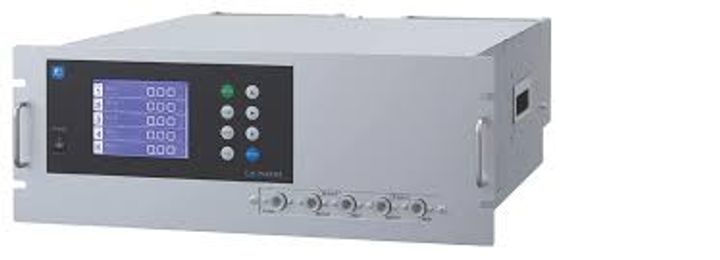
Gas analyzers are devices used to measure the concentration of gases in air or industrial environments. They play a role in fields such as environmental monitoring, healthcare, manufacturing, and energy production. A gas analyzer manufacturing process involves designing, assembling, and testing instruments that can detect gases like oxygen, carbon dioxide, nitrogen oxides, and hydrocarbons.
China has become a major hub for gas analyzer manufacturing due to its large industrial base, access to raw materials, and established electronics supply chains. Over time, the country has developed a structured ecosystem that supports the production of sensors, circuit boards, and enclosures used in gas analysis equipment.
For beginners, understanding how gas analyzers are made in China involves learning about the production steps, materials used, and how sourcing works within this manufacturing landscape.
Importance
Gas analyzers are important because they help monitor air quality, ensure safety in industrial settings, and support compliance with environmental standards. For example, in factories, these devices can detect harmful gas leaks, while in urban areas they help track pollution levels.
The topic of gas analyzer manufacturing in China matters because many industries worldwide depend on these instruments. Companies, researchers, and organizations often rely on globally sourced equipment, and China plays a significant role in meeting that demand.
Key challenges addressed by this sector include:
- Environmental monitoring: tracking emissions and air pollutants
- Industrial safety: detecting hazardous gases in workplaces
- Energy efficiency: optimizing combustion processes
- Public health: measuring indoor and outdoor air quality
Understanding the manufacturing process also helps individuals and organizations evaluate product quality, reliability, and suitability for specific applications.
Recent Updates
Between 2024 and 2026, several trends have influenced gas analyzer manufacturing in China. One noticeable development is the integration of digital technologies. Many modern gas analyzers now include wireless connectivity, cloud data storage, and real-time monitoring features.
Another trend is the increasing focus on environmental compliance. As global regulations become stricter, manufacturers are adapting their designs to meet international emission standards. This has led to improvements in sensor accuracy and durability.
Miniaturization has also gained attention. Compact and portable gas analyzers are becoming more common, especially for field use and personal safety monitoring. Advances in semiconductor technology have made it possible to reduce device size while maintaining performance.
Additionally, automation in manufacturing processes has improved production consistency. Robotics and automated testing systems are now commonly used in assembly lines to ensure uniform quality.
Laws or Policies
Gas analyzer manufacturing in China is influenced by both domestic regulations and international standards. These rules help ensure that devices are safe, reliable, and suitable for their intended use.
At the national level, manufacturers must comply with quality and safety regulations. These include standards for electronic components, calibration accuracy, and environmental performance. Regulatory bodies oversee certification processes and inspections.
Export-oriented manufacturers often align their products with international standards such as ISO certifications and other compliance frameworks. This allows gas analyzers produced in China to be used in different countries with varying regulatory requirements.
Environmental policies also play a role. As China continues to address air pollution and industrial emissions, there is increased emphasis on accurate monitoring equipment. This has encouraged manufacturers to improve the precision and reliability of their products.
Tools and Resources
Understanding gas analyzer manufacturing in China involves using various tools and resources that provide insights into production, sourcing, and quality assessment.
Online platforms and directories
Many online directories list manufacturers and suppliers of gas analyzers and components. These platforms provide details about product specifications, certifications, and production capabilities.
Technical documentation and standards
Access to technical documents, such as calibration guidelines and sensor specifications, helps users understand how gas analyzers function. Standards organizations publish materials that outline testing methods and performance criteria.
Design and simulation software
Engineers use specialized software to design gas analyzers and simulate their performance. These tools help in optimizing sensor placement, airflow design, and electronic circuits before production begins.
Inspection and testing tools
Quality control involves various testing instruments that measure accuracy, response time, and durability. These tools are used during and after the manufacturing process to ensure consistency.
Example components used in gas analyzers
| Component | Function | Common Material Types |
|---|---|---|
| Gas sensor | Detects specific gases | Electrochemical, infrared |
| Circuit board | Processes signals | Fiberglass, copper layers |
| Enclosure | Protects internal components | Aluminum, plastic polymers |
| Display unit | Shows readings | LCD or LED panels |
| Pump or sampling unit | Draws air into the analyzer | Plastic, metal components |
Manufacturing Processes and Materials
Key manufacturing steps
The gas analyzer manufacturing process typically follows several stages:
- Design and prototyping: engineers create initial models and test functionality
- Component sourcing: sensors, electronic parts, and materials are selected
- Assembly: components are integrated into a complete device
- Calibration: instruments are adjusted to ensure accurate readings
- Testing and quality control: devices are evaluated under different conditions
Each step is important in ensuring that the final product performs reliably.
Materials used
Materials play a critical role in determining the durability and accuracy of gas analyzers. Common materials include:
- Sensor materials: electrochemical cells, infrared detectors, and semiconductor elements
- Structural materials: aluminum and high-strength plastics for enclosures
- Electronic materials: conductive metals such as copper for circuit boards
The selection of materials depends on the intended application, such as industrial use or environmental monitoring.
Role of suppliers
China’s manufacturing ecosystem includes a wide network of component suppliers. These suppliers provide specialized parts like sensors and microchips, which are then assembled into complete gas analyzers.
Coordination between manufacturers and suppliers is essential to maintain production timelines and quality standards.
Sourcing Tips
For those exploring gas analyzer manufacturing in China, understanding sourcing practices is important. The process involves identifying reliable manufacturers, evaluating product specifications, and ensuring compliance with relevant standards.
Key considerations include:
- Supplier verification: reviewing certifications and production capabilities
- Product specifications: checking measurement ranges, accuracy, and response times
- Quality assurance: understanding testing procedures and inspection methods
- Communication: ensuring clear technical requirements and documentation
It is also helpful to compare multiple manufacturers to understand variations in design and features.
FAQs
What is gas analyzer manufacturing in China?
Gas analyzer manufacturing in China refers to the process of designing, assembling, and testing gas detection devices within the country’s industrial ecosystem, using locally sourced and imported components.
What materials are used in gas analyzer manufacturing?
Common materials include electrochemical or infrared sensors, metal or plastic enclosures, and electronic components such as circuit boards and display units.
How does the gas analyzer manufacturing process work?
The process involves design, sourcing components, assembly, calibration, and testing. Each stage ensures that the device can accurately measure gas concentrations.
Why is China important for gas analyzer manufacturing?
China has a well-developed manufacturing infrastructure, access to raw materials, and a large network of suppliers, making it a central location for producing gas analyzers.
What should be considered when sourcing gas analyzers from China?
Important factors include supplier credentials, product specifications, compliance with standards, and quality control procedures.
Conclusion
Gas analyzer manufacturing in China combines advanced production processes, diverse materials, and an extensive supplier network. These factors contribute to the availability of gas detection equipment used across many industries. Understanding how these devices are made and sourced helps clarify their role in safety, environmental monitoring, and industrial operations. As technology continues to evolve, manufacturing practices are likely to adapt to new requirements and standards.