Surface Grinding Machines: The Ultimate Guide
Learn how surface grinding machines work and explore their applications, types, and key features. A comprehensive guide for understanding precision grinding technology.
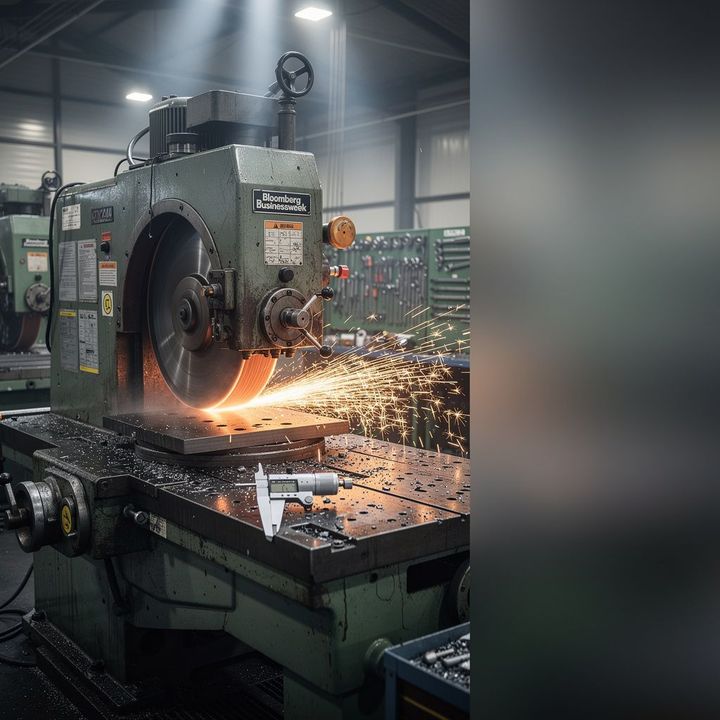
Surface grinding machines represent a cornerstone of precision manufacturing, enabling professionals to achieve smooth, flat, and accurately finished surfaces on various materials. These machines employ rotating abrasive wheels to remove material in controlled amounts, producing results that meet exacting tolerances required in modern industrial applications. Whether used in tool and die shops, automotive facilities, or aerospace manufacturing, surface grinders deliver the precision and consistency that quality production demands.
Understanding Surface Grinding Machines
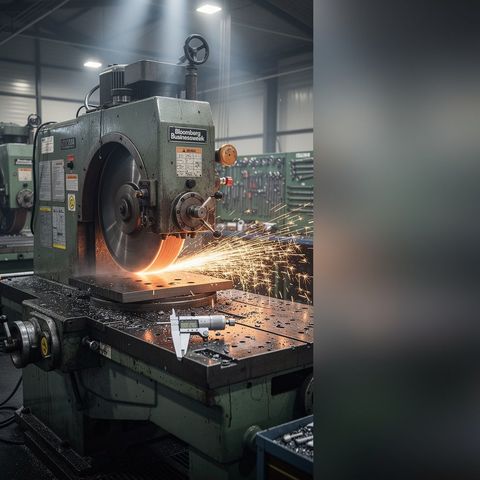
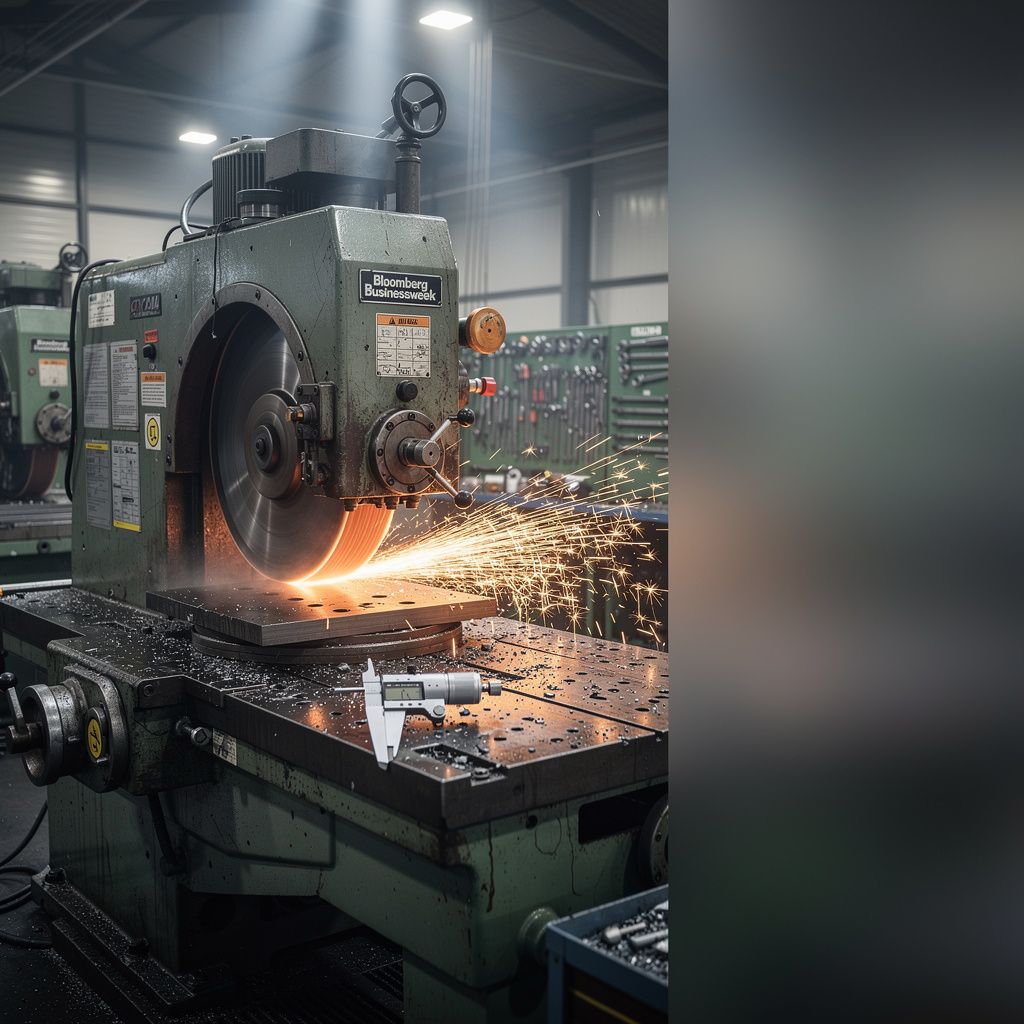
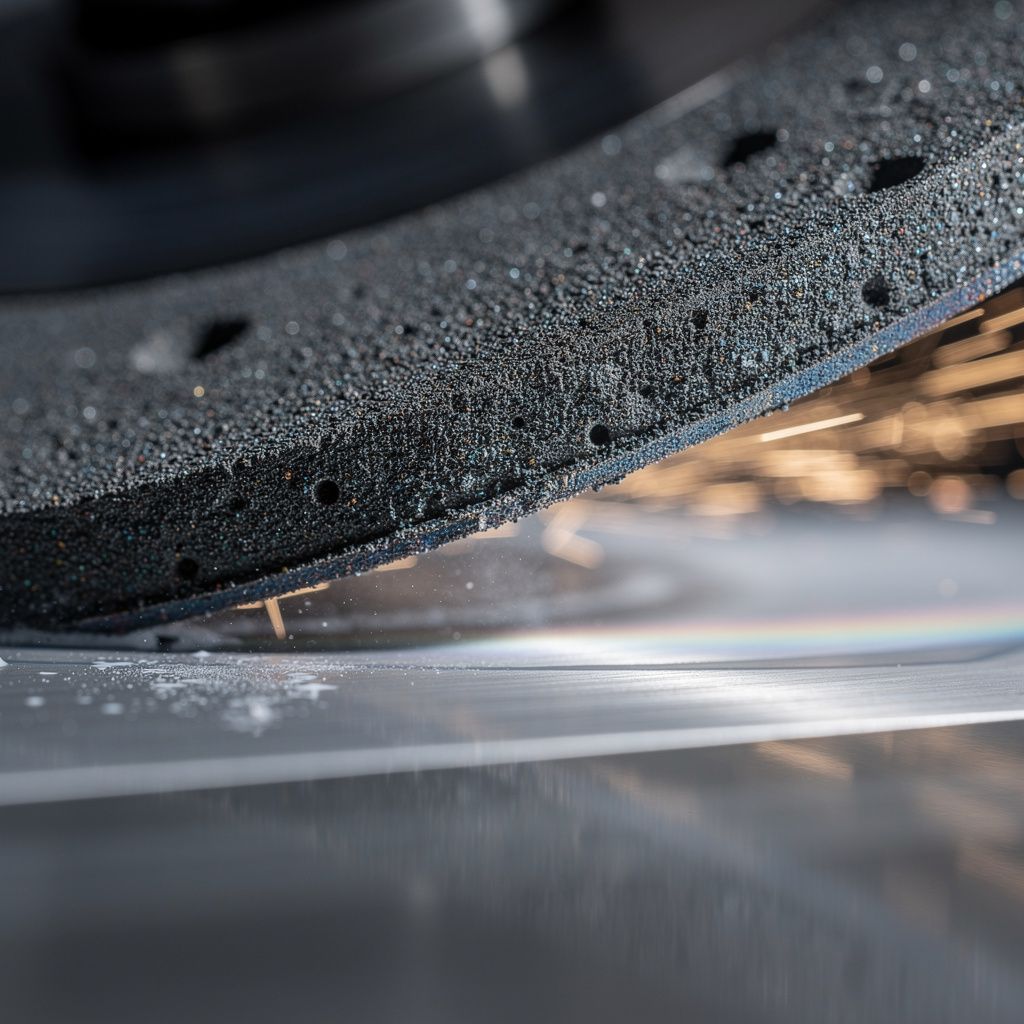
A surface grinding machine is a precision tool designed to flatten and smooth workpiece surfaces using an abrasive wheel rotating at high speeds. The machine holds the workpiece on a magnetic chuck or fixture while the grinding wheel makes contact with the surface, removing material incrementally. This process creates smooth finishes and maintains dimensional accuracy critical for parts that must fit together precisely or function as precision components.
The basic operation involves securing the workpiece, positioning the grinding wheel at the correct height, and moving either the workpiece or the wheel in a controlled manner to achieve uniform grinding across the entire surface. The precision of this process depends on the machine's rigidity, the quality of the grinding wheel, coolant application, and the operator's skill and attention to detail.
Benefits and Limitations
Surface grinding machines offer numerous advantages that make them indispensable in manufacturing environments. The primary benefits include exceptional surface finish quality, tight dimensional tolerances, repeatability across multiple parts, and versatility in handling different materials and workpiece sizes. These machines can produce mirror-like finishes and maintain tolerances within fractions of a thousandth of an inch.
However, surface grinders also have limitations worth considering. They typically operate at slower production rates compared to other finishing methods, require skilled operators to achieve optimal results, and demand regular maintenance to maintain accuracy. The initial investment in quality equipment can be substantial, and consumable costs for grinding wheels and coolants add to operational expenses.
Types of Surface Grinding Machines
Surface grinding machines come in several configurations, each suited to different applications and workpiece geometries. Understanding these types helps in selecting the right machine for specific manufacturing needs.
Horizontal Spindle Machines
These machines feature a grinding wheel mounted on a horizontal spindle, with the workpiece positioned on a reciprocating table beneath it. This configuration is ideal for grinding flat surfaces on rectangular parts and remains the most common type in general manufacturing shops.
Vertical Spindle Machines
Vertical spindle grinders have the wheel mounted on a vertical axis, allowing the wheel face to contact the workpiece. These machines excel at grinding larger flat surfaces and can accommodate bigger workpieces than horizontal configurations.
Rotary Table Machines
These grinders feature a rotating circular table that moves the workpiece beneath the grinding wheel. They're particularly effective for processing multiple parts in sequence and offer excellent productivity for batch operations.
Precision Cylindrical Grinders
While technically different from flat surface grinders, these machines grind cylindrical surfaces and are often found alongside surface grinders in precision shops.
Current Industry Trends
The surface grinding industry continues to evolve with technological advancements. Automation integration is increasing, with CNC-controlled grinders offering improved consistency and reduced labor requirements. Digital readouts and automated feeds have become standard on modern machines, enhancing operator control and repeatability. Additionally, manufacturers are developing more efficient grinding wheels that extend tool life and reduce coolant consumption, addressing both cost and environmental concerns.
Predictive maintenance technologies are emerging, using sensors to monitor machine performance and alert operators to potential issues before failures occur. This trend toward smart manufacturing is gradually transforming how surface grinding operations are managed and optimized.
Key Features and Specifications
When evaluating surface grinding machines, several specifications determine suitability for specific applications:
- Grinding Wheel Size: Larger wheels accommodate bigger workpieces and allow deeper cuts
- Table Size and Travel: Determines maximum workpiece dimensions and grinding area
- Spindle Speed: Measured in RPM, affects surface finish quality and material removal rate
- Power Rating: Indicates the machine's capability to handle demanding grinding operations
- Accuracy and Repeatability: Critical for precision work, typically measured in microinches
- Coolant System: Essential for heat management and surface finish quality
- Magnetic Chuck Strength: Determines how securely the workpiece is held during grinding
Comparison of Machine Types
| Machine Type | Best For | Surface Finish | Production Rate | Initial Cost |
|---|---|---|---|---|
| Horizontal Spindle | Rectangular parts, general use | Excellent | Moderate | Moderate |
| Vertical Spindle | Large flat surfaces | Very Good | Moderate to High | Higher |
| Rotary Table | Batch production, multiple parts | Good to Excellent | High | Higher |
| CNC Controlled | Complex requirements, precision work | Excellent | Variable | Highest |
Selecting the Right Surface Grinder
Choosing an appropriate surface grinding machine requires careful consideration of your specific manufacturing needs. Evaluate the size and shape of parts you'll be grinding, the required surface finish quality, production volume, available floor space, and budget constraints. Consider whether you need a general-purpose machine or a specialized configuration. Additionally, assess the availability of skilled operators and support services in your area, as these factors significantly impact long-term operational success.
Best Practices for Surface Grinding
Successful surface grinding depends on adhering to proven operational practices. Always inspect the grinding wheel for cracks or damage before operation. Ensure the workpiece is properly secured on the magnetic chuck and that the chuck is clean and free of debris. Use appropriate coolant for the material being ground, maintaining proper flow and concentration. Monitor grinding wheel wear and dress the wheel as needed to maintain surface finish quality. Take light, consistent cuts rather than aggressive passes that can damage the workpiece or machine.
Regular maintenance is essential for consistent performance. Keep the machine clean, check spindle bearings for proper operation, and verify table flatness periodically. Train operators thoroughly on proper techniques and safety procedures. Implement a preventive maintenance schedule to address potential issues before they impact production.
Selection Checklist
Before investing in a surface grinding machine, use this checklist to guide your decision:
- Determine maximum workpiece size and weight requirements
- Identify required surface finish specifications
- Assess production volume and throughput needs
- Evaluate available floor space and facility infrastructure
- Consider operator skill level and training requirements
- Review budget constraints and financing options
- Verify availability of technical support and spare parts
- Assess coolant system requirements and maintenance needs
- Consider future growth and scalability needs
- Research manufacturer reputation and warranty offerings
Frequently Asked Questions
What materials can surface grinding machines process?
Surface grinders can process a wide variety of materials including ferrous metals (steel, cast iron), non-ferrous metals (aluminum, brass, copper), and certain ceramics and composites. The grinding wheel type must be selected appropriately for the material being ground to achieve optimal results.
How often should grinding wheels be dressed?
Grinding wheel dressing frequency depends on the material being ground, the hardness of the wheel, and the desired surface finish. Wheels may require dressing after grinding every few parts or after several hours of operation. Regular dressing maintains wheel sharpness and surface finish quality.
What is the difference between surface finish and flatness?
Surface finish refers to the smoothness of the ground surface, typically measured in microinches of roughness. Flatness refers to how closely the surface conforms to a perfectly flat plane. Both are important but measure different aspects of grinding quality.
Can surface grinders handle hardened steel?
Yes, surface grinders are specifically designed to grind hardened steel and other hard materials that cannot be machined with conventional cutting tools. This capability makes them essential for finishing hardened components and tool steel parts.
What safety precautions are important when operating surface grinders?
Key safety practices include wearing appropriate personal protective equipment, keeping hands away from rotating wheels, securing workpieces properly, using guards and shields, and never adjusting the machine while it's operating. Proper training and adherence to safety procedures are essential for preventing accidents.
How does coolant affect grinding performance?
Coolant serves multiple critical functions: it removes heat generated during grinding, flushes away ground material particles, reduces friction, and helps achieve superior surface finishes. Proper coolant selection and maintenance directly impact grinding quality and tool life.
Conclusion
Surface grinding machines remain fundamental tools in precision manufacturing, delivering the exceptional surface finishes and dimensional accuracy that modern production demands. Understanding the different machine types, their capabilities and limitations, and best practices for operation enables manufacturers to make informed decisions about equipment investment and optimize their grinding operations. Whether you're establishing a new shop, expanding capabilities, or seeking to improve existing processes, surface grinders offer reliable solutions for achieving precision results. By selecting the appropriate machine for your specific needs and implementing proper operational and maintenance practices, you can maximize productivity, ensure consistent quality, and extend equipment life. As technology continues to advance with CNC integration and automation, surface grinding remains an indispensable process in manufacturing environments worldwide.