Stripping Tools Overview With Wire Preparation Technology and Technical Information
Stripping tools are devices designed to remove the outer insulation or protective covering from electrical wires without unnecessarily damaging the metal conductor underneath. They are used in electrical installation, electronics assembly, automotive manufacturing, telecommunications, industrial equipment production, and electrical maintenance.
Wire preparation technology includes the methods, tools, and equipment used to prepare wire ends for connecting, crimping, soldering, or fitting into electrical terminals.
Electrical wires generally consist of a conductive metal core surrounded by an insulating layer. Copper and aluminum are commonly used as conductors, while insulation materials may include PVC, polyethylene, silicone, and other polymers. The insulation protects against unintended electrical contact, environmental exposure, and mechanical damage, but it must be removed from specific sections when a wire is connected to another component.
Traditional wire stripping involved using knives or basic cutting tools, which required careful handling and experience. Modern stripping tools provide more controlled cutting, adjustable stripping lengths, and specialized designs for different wire sizes and insulation materials. These developments have helped make wire preparation more consistent across household electrical work, workshops, and industrial production environments.
Common Types of Stripping Tools
Different stripping tools are designed for particular applications, wire dimensions, and production requirements.
Manual wire strippers use shaped cutting openings to remove insulation from wires of different gauges.
Automatic wire stripping tools use a mechanical mechanism to grip and strip insulation with reduced manual adjustment.
Adjustable wire strippers allow users to control stripping depth or length for different applications.
Thermal wire strippers use controlled heat to separate certain insulation materials from conductors.
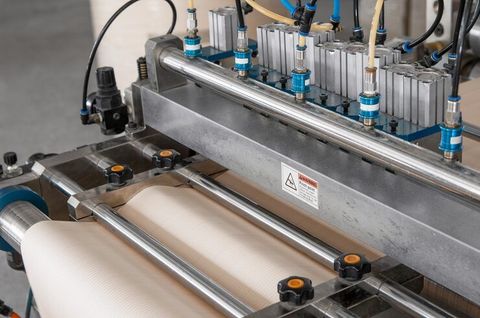
Pneumatic wire stripping machines use compressed air to operate stripping mechanisms in suitable production environments.
CNC-controlled wire processing machines can combine cutting, stripping, and other preparation steps through programmed settings.
The appropriate tool depends on the conductor material, wire diameter, insulation thickness, production volume, and required preparation accuracy.
Importance
Why Wire Stripping Matters
Correct wire preparation is important because electrical connections depend on the condition of the exposed conductor. Excessive cutting pressure can damage copper strands, reduce the effective conductor cross-section, or create weak points that may contribute to connection failure. Removing too little insulation can prevent proper terminal contact, while removing too much may leave exposed conductive material outside the intended connection area.
These problems affect several industries. Electricians prepare wires for switches, sockets, distribution equipment, and lighting systems. Automotive manufacturers process large numbers of wires for vehicle harnesses, sensors, lighting, and electronic controls. Electronics manufacturers also require carefully prepared wire ends for circuit boards, connectors, and compact assemblies.
For ordinary users, stripping tools are relevant to electrical repairs, hobby electronics, and low-voltage projects. However, work involving hazardous electrical voltages requires appropriate training, isolation procedures, and suitable protective equipment.
Key Factors Affecting Stripping Accuracy
Several technical factors influence the quality of wire preparation.
Wire gauge: The conductor diameter determines which stripping opening or machine setting is suitable.
Insulation thickness: Thick or multilayer insulation may require a different stripping method from thin coatings.
Conductor construction: Solid conductors and stranded wires can respond differently to cutting pressure.
Stripping length: The exposed section must match the terminal or connector requirements.
Blade condition: Worn or incorrectly adjusted blades may produce inconsistent results or damage the conductor.
Material compatibility: Insulation polymers differ in hardness, flexibility, and response to heat or mechanical pressure.
Consistent preparation can reduce rejected components, simplify assembly, and support reliable electrical connections. Inspection remains necessary because even automated equipment can produce defects when settings, blades, or incoming wire materials are unsuitable.
Manual and Automated Wire Preparation Compared
Feature | Manual stripping tools | Automated stripping machines |
|---|---|---|
Typical application | Repairs and small assemblies | Repetitive production |
Operator involvement | High | Lower during repeated cycles |
Setup requirements | Usually simple | May require programming and calibration |
Processing consistency | Depends on technique | Depends on setup and machine condition |
Wire range | Limited by tool design | Depends on machine specifications |
Production capacity | Suitable for smaller quantities | Suitable for repeated, higher-volume processing |
Maintenance | Cleaning and blade inspection | Calibration, blade inspection, and mechanical maintenance |
Neither approach is suitable for every situation. Manual tools can provide flexibility for occasional work, while automated systems can improve repeatability when many wires must be prepared to consistent specifications.
Recent Updates
Developments in Wire Preparation Technology
Recent developments in industrial wire processing have focused on automation, digital control, quality monitoring, and compatibility with increasingly complex electrical assemblies. These changes reflect the growing use of electronic controls, electric vehicles, renewable energy systems, and connected industrial equipment.
Modern wire processing machines may combine measuring, cutting, stripping, and marking functions within a single workflow. Some systems use programmable controls to store settings for different wire types, helping operators repeat established production processes. Depending on the equipment, sensors may detect wire presence, monitor feeding, or identify certain process errors.
Another trend is the integration of wire preparation equipment with computer-based production systems. Digital settings and production records can help manufacturers manage different wire specifications, monitor output, and investigate recurring defects. The available functions vary considerably by machine model and application.
Precision, Safety, and Material Compatibility
Manufacturers increasingly work with smaller conductors, compact connectors, flexible cables, and multilayer insulation. These applications may require more precise stripping depth and length control than conventional electrical wiring. Laser-based processing and specialized thermal methods are also used in certain applications, although their suitability depends on the insulation material, conductor design, and process requirements.
Automation does not eliminate the need for human oversight. Operators still need to verify wire specifications, inspect stripped ends, and confirm that the equipment is appropriate for the material being processed. Training and preventive maintenance remain important for consistent production.
Current Areas of Application
Wire stripping equipment supports a wide range of production activities, including:
Electric vehicle wiring harnesses and battery-related electrical assemblies.
Industrial control panels, sensors, and machine wiring.
Telecommunications cables and data transmission equipment.
Household appliances and consumer electronics.
Renewable energy installations and power distribution components.
Medical and laboratory equipment wiring, subject to applicable manufacturing requirements.
These applications differ in their electrical, mechanical, and environmental requirements. Consequently, a tool designed for ordinary building wire may not be appropriate for fine electronic conductors, coaxial cables, or specialized industrial cable assemblies.
Laws or Policies
Electrical Safety and Equipment Requirements
Rules affecting stripping tools depend on the country, intended application, workplace, and type of equipment. Electrical safety requirements generally focus on preventing electric shock, accidental contact, equipment damage, and unsafe working conditions. In many jurisdictions, workplace safety frameworks require employers to assess electrical hazards, provide suitable protective equipment, and ensure that workers have appropriate training.
In India, electrical installation and workplace safety requirements may apply to activities involving wire preparation. Relevant provisions can include electrical safety rules, applicable national electrical standards, and workplace regulations. Requirements differ according to whether the activity involves building wiring, industrial machinery, manufacturing, or maintenance.
Stripping tools themselves may also fall within product safety, machinery safety, or electrical equipment requirements depending on their design. Pneumatic and motorized machines may involve additional considerations, including moving parts, compressed air, guarding, emergency stops, and maintenance procedures.
Standards, Testing, and Workplace Practices
Technical standards help define acceptable methods for electrical connections, conductor dimensions, insulation performance, and equipment safety. International standards developed by organizations such as the International Electrotechnical Commission may be relevant to particular wire systems and electrical products. Their applicability depends on the product category and the standards adopted by the relevant jurisdiction.
Practical safety measures include the following:
Disconnect electrical power and verify isolation before preparing wires in an electrical installation.
Select a stripping tool designed for the wire type and conductor dimensions.
Avoid using damaged blades or tools with loose mechanical parts.
Inspect exposed conductors for cut strands, deformation, or other damage.
Follow equipment instructions and applicable workplace procedures.
Use appropriate eye protection when the work environment presents a risk from flying insulation fragments or wire ends.
These points provide general information rather than a substitute for local electrical codes, formal training, or equipment-specific instructions.
Tools and Resources
Selecting Suitable Wire Stripping Equipment
Choosing a stripping tool begins with identifying the wire specifications and the required preparation method. Product documentation typically provides information about compatible conductor sizes, insulation types, stripping lengths, adjustment mechanisms, and maintenance requirements.
A basic selection process should consider:
Wire gauge and conductor material.
Insulation composition and thickness.
Required stripping length and depth.
Expected number of wires processed.
Manual, pneumatic, or automated operation.
Inspection requirements and compatibility with downstream terminals.
For production environments, additional considerations may include cycle consistency, changeover procedures, programmable settings, and integration with cutting or crimping equipment.
Useful Technical Resources
Manufacturers' operating manuals and technical specification sheets can help users understand tool limitations, adjustment procedures, and maintenance requirements. Electrical wiring guides, conductor dimension charts, and connector assembly instructions provide further context for preparing wire ends correctly.
Wire gauge conversion charts are useful when specifications use different measurement systems. Stripping-length diagrams supplied with terminals or connectors can also clarify how much insulation must be removed before assembly.
Common Quality Checks
Inspection point | What to examine | Why it matters |
|---|---|---|
Conductor condition | Cut, nicked, or missing strands | Helps identify possible conductor damage |
Insulation edge | Ragged or uneven cut | Indicates inconsistent stripping |
Exposed length | Matches assembly specifications | Supports correct terminal placement |
Insulation residue | No unwanted material on contact area | Helps maintain suitable electrical contact |
Tool condition | Clean blades and stable adjustment | Supports repeatable preparation |
These checks are particularly useful when processing wires in batches. Documenting recurring defects can help identify whether the problem originates from tool settings, blade wear, operator technique, or variations in incoming materials.
FAQs
What Are Wire Stripping Tools Used For?
Wire stripping tools remove insulation from electrical conductors so they can be connected to terminals, connectors, or other electrical components. They are used in electrical installation, electronics assembly, automotive wiring, and industrial manufacturing.
Which Stripping Tools Are Suitable for Different Wire Sizes?
Manual wire strippers often include openings for specified wire gauges, while adjustable and automated machines may accommodate a defined range of conductor sizes. The tool must match the wire diameter, insulation type, and manufacturer's specifications.
How Do Automatic Wire Stripping Machines Work?
Automatic wire stripping machines feed or position a wire, grip or stabilize it, and use a controlled cutting mechanism to separate the insulation. Some systems also measure, cut, or prepare wire ends for subsequent assembly operations.
How Can Conductor Damage Be Prevented During Wire Stripping?
Using the correct stripping opening, depth setting, and tool type helps reduce damage. Inspecting the exposed conductor and replacing worn blades when necessary can also improve consistency.
What Safety Rules Apply to Electrical Wire Stripping?
Applicable rules depend on the workplace and jurisdiction. General precautions include isolating electrical power, verifying that the circuit is de-energized, using suitable tools, and following relevant electrical safety procedures.
Conclusion
Stripping tools are essential for preparing insulated wires for electrical connections across residential, commercial, and industrial applications. Manual tools, automatic strippers, and integrated wire processing machines serve different requirements based on wire dimensions, insulation materials, and production volume. Recent developments emphasize automation, programmable control, precision, and quality monitoring. Correct tool selection, regular inspection, and compliance with applicable electrical safety requirements help maintain consistent wire preparation.