Industrial Belt Filter Press Guide With Modern Wastewater Treatment and Dewatering Solutions
An industrial belt filter press is a mechanical dewatering machine used to separate water from sludge and other wet solid materials. It is widely used in wastewater treatment plants, industrial manufacturing facilities, food processing operations, paper mills, and municipal treatment systems.
The primary purpose of this equipment is to reduce the water content of sludge, making the remaining material easier to handle, transport, and process.
Wastewater treatment generates sludge containing suspended solids, organic matter, minerals, and other particles removed during treatment. This sludge can contain substantial amounts of water, which increases its volume and complicates storage and disposal. An industrial belt filter press addresses this challenge by applying controlled mechanical pressure to remove water from the material.
How a Belt Filter Press Works
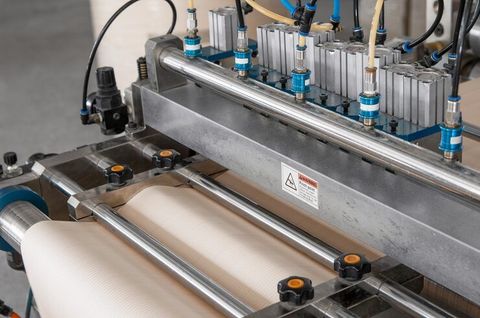
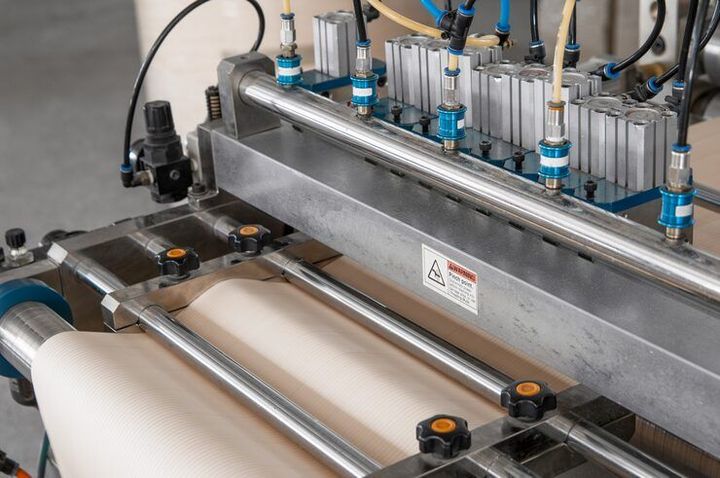
A belt filter press typically uses two moving porous belts that carry sludge through several dewatering stages. The process often begins with chemical conditioning, where a suitable polymer or another conditioning agent helps small particles form larger aggregates that release water more readily.
The conditioned sludge passes through a gravity drainage section, followed by mechanical compression between the belts and rollers. As pressure increases, water passes through the belt material while the solids remain behind as a partially dewatered cake.
The main stages generally include:
Sludge conditioning: Chemicals may be added to improve particle separation.
Gravity drainage: Initial water drains from the sludge.
Pressure dewatering: Rollers apply increasing pressure to remove additional water.
Cake discharge: The separated solids leave the machine for further handling.
Belt washing: Water and cleaning equipment remove accumulated particles from the belts.
The exact configuration depends on the sludge characteristics, machine design, and treatment requirements.
Main Industrial Applications
Industrial belt filter presses are used in various industries because wastewater sludge differs significantly from one process to another. Municipal wastewater plants often process biological sludge, while industrial facilities may handle mineral suspensions, paper fibers, or food processing residues.
Applications include municipal wastewater treatment, chemical manufacturing, pulp and paper production, mining operations, textile processing, and certain food production facilities. Each application requires an assessment of solids concentration, particle characteristics, chemical compatibility, and the required cake dryness.
Importance
Reducing Sludge Volume and Handling Requirements
Water can account for a large proportion of untreated sludge volume. Removing some of this water reduces the amount of wet material that must be stored and transported.
This can simplify sludge handling and improve the efficiency of downstream operations. However, the actual reduction depends on the incoming sludge, the achievable solids concentration, and the performance of the complete treatment process.
Supporting Wastewater Treatment Operations
Efficient sludge dewatering helps treatment facilities manage the residual materials generated during wastewater processing. When sludge is separated effectively, the resulting liquid may be returned to an appropriate treatment stage, subject to its quality and the plant's operating procedures.
The separated solids may undergo further treatment, such as digestion, drying, composting, thermal processing, or disposal through an approved route. The appropriate method depends on the composition of the sludge and applicable environmental requirements.
Operational Factors That Affect Performance
A belt filter press does not perform identically with every sludge type. Its output depends on several interconnected variables, including:
Incoming solids concentration and sludge composition.
Polymer selection and dosage, where chemical conditioning is used.
Belt speed and tension.
Roller arrangement and applied pressure.
Washing water quality and flow.
Equipment condition and maintenance practices.
Incorrect settings can result in wet cake, solids escaping through the belts, excessive chemical consumption, or frequent cleaning requirements. Operators therefore need to monitor both the machine and the quality of the material entering it.
Recent Updates
Developments in Modern Dewatering Systems
During 2024–2026, industrial wastewater treatment continued to emphasize energy efficiency, resource recovery, operational monitoring, and improved management of residual solids. Belt filter presses remain part of this landscape, particularly where continuous mechanical dewatering is suitable for the sludge characteristics and available plant infrastructure.
Current equipment developments increasingly incorporate improved belt materials, more accessible control systems, condition monitoring, and automated adjustments. These features can help operators identify changes in operating conditions, although actual results depend on equipment design, installation, and maintenance.
Automation and Process Monitoring
Modern industrial dewatering equipment may use sensors to monitor belt movement, motor loads, pressure-related operating conditions, and other process indicators. Automated controls can help maintain consistent operating parameters and identify abnormal conditions.
Some facilities also use digital monitoring systems to record sludge throughput, polymer consumption, cake solids, and equipment downtime. These records help operators compare operating periods and investigate changes in performance.
Comparing Common Dewatering Technologies
Different mechanical dewatering systems suit different sludge characteristics and operational priorities.
Technology | Main operating principle | Common consideration |
|---|---|---|
Belt filter press | Continuous drainage and roller compression | Requires belt washing and tension control |
Filter press | Pressure filtration through filter plates | Often operates in batches |
Centrifuge | Separation using centrifugal force | Requires rotational equipment and energy |
Screw press | Gradual compression through a screw mechanism | Performance depends on sludge properties and design |
A belt filter press may suit continuous processing, while a filter press may be appropriate when batch operation and specific cake characteristics are important. Centrifuges and screw presses have different operating requirements, so comparisons should consider the entire treatment process rather than a single performance measure.
Laws or Policies
Environmental Requirements in Industrial Wastewater Treatment
Industrial wastewater treatment and sludge management are governed by environmental rules that vary according to the country, industry, discharge destination, and waste classification. Facilities must determine which requirements apply to wastewater discharge, residual solids, chemical handling, worker protection, and final disposal.
In India, relevant frameworks include the Water (Prevention and Control of Pollution) Act, 1974, and the Environment (Protection) Act, 1986, together with applicable rules, standards, consent conditions, and directions issued by competent authorities.
The Central Pollution Control Board and State Pollution Control Boards have important roles in environmental regulation and monitoring. Specific obligations depend on the facility's activities and the permissions applicable to its operations.
Sludge Handling and Disposal
Dewatered sludge is not automatically suitable for unrestricted disposal or reuse. Its composition may require testing for contaminants, hazardous characteristics, or other parameters specified by the relevant regulatory framework.
Industrial operators should consider the following requirements:
Waste classification: Determine whether the residual material falls under hazardous or other regulated waste categories.
Authorized handling: Follow applicable requirements for storage, transport, treatment, and disposal.
Discharge quality: Ensure any liquid returned to the treatment system or discharged complies with applicable conditions.
Worker protection: Apply appropriate procedures for chemicals, moving machinery, confined spaces, and biological hazards.
Documentation: Maintain operating records, monitoring results, and waste-handling documentation where required.
Environmental compliance depends on the facility's circumstances and current rules. General equipment specifications alone cannot establish whether a treatment process meets every applicable requirement.
Tools and Resources
Equipment Selection and Performance Calculations
Selecting an industrial belt filter press requires information about sludge quantity, solids concentration, operating hours, and target cake dryness. Equipment suppliers and process engineers may use laboratory tests and pilot trials to evaluate dewatering behavior before selecting a machine configuration.
A basic calculation can help estimate how much dry material is present in an incoming sludge stream.
For example, if a facility processes 10,000 kilograms of sludge containing 2% dry solids, the sludge contains approximately 200 kilograms of dry solids and 9,800 kilograms of water.
If the resulting cake contains 20% dry solids and all dry solids are retained, its approximate total mass would be 1,000 kilograms. This simplified example assumes no solids losses and illustrates how increasing the solids percentage reduces the mass of water remaining in the cake.
Operational Tools and Monitoring
Several tools help facilities evaluate and manage dewatering performance:
Solids concentration testing: Measures the proportion of dry material in sludge and cake.
Polymer dosage records: Tracks chemical use relative to the amount of sludge processed.
Flow meters and weighing systems: Help estimate throughput and material quantities.
Maintenance checklists: Record belt condition, roller wear, wash-water operation, and safety inspections.
Process monitoring software: Tracks operating trends, equipment interruptions, and changes in output.
These tools are most useful when measurements are taken consistently and interpreted alongside the characteristics of the incoming sludge.
Maintenance and Operating Considerations
Routine maintenance helps maintain predictable machine operation and identify mechanical problems before they cause extended interruptions. Common inspection areas include belt tracking, tension, roller alignment, bearings, drive components, wash-water nozzles, and protective guards.
Cleaning schedules should account for sludge characteristics and operating conditions. Operators should also follow the manufacturer's procedures for isolation, lockout, and safe access before carrying out maintenance.
FAQs
What is an industrial belt filter press used for?
An industrial belt filter press removes water from sludge generated by wastewater treatment and industrial processes. It reduces sludge volume and produces a partially dewatered solid cake for further treatment, handling, or approved disposal.
How does a belt filter press improve wastewater treatment?
It separates a portion of the water from sludge, reducing the amount of wet material requiring downstream management. The performance depends on sludge characteristics, chemical conditioning, machine settings, and maintenance.
What factors affect industrial belt filter press performance?
Important factors include incoming solids concentration, polymer selection, belt speed, belt tension, roller pressure, and wash-water operation. Changes in sludge composition can also influence the final cake solids content.
What is the difference between a belt filter press and a filter press?
A belt filter press generally provides continuous dewatering through moving belts and rollers. A conventional filter press usually separates solids and liquids in batches using pressure and filter plates.
How is sludge from an industrial belt filter press disposed of?
The disposal route depends on the sludge composition, contamination levels, applicable regulations, and available treatment options. Some materials may qualify for further processing or approved reuse, while others require regulated treatment or disposal.
Conclusion
An industrial belt filter press is an important mechanical dewatering technology for wastewater treatment plants and industrial facilities. Its performance depends on sludge characteristics, machine configuration, chemical conditioning, operating controls, and maintenance. Modern monitoring and automation can support process consistency, while environmental regulations determine how separated liquids and solids must be managed. Understanding these factors helps explain the role of belt filter presses within modern wastewater treatment and sludge management systems.

You May Also Like