Steam Cleaner Overview With Cleaning Technology and Maintenance Information
A steam cleaner is a cleaning appliance that uses heated water to produce steam for removing dirt, grease, stains, and certain types of surface contamination.
It works by heating water inside a boiler or heating chamber until it becomes pressurized steam. The steam is then released through a nozzle, brush, or specialized cleaning attachment to loosen unwanted material from different surfaces.
Steam cleaning technology developed from industrial applications that required heat and moisture to clean equipment, machinery, and surfaces. Over time, improvements in heating elements, pressure controls, insulation, and portable appliance designs made steam cleaners suitable for household and commercial environments.
Modern steam cleaners are available in several configurations, including handheld steam cleaners, steam mops, cylinder steam cleaners, and industrial steam cleaning machines. Each type is designed for particular cleaning requirements, surface materials, and operating conditions.
How Steam Cleaning Technology Works
Steam cleaners use thermal energy to transform water into steam. When the steam reaches a surface, its heat and moisture help soften dried dirt, loosen grease, and release certain deposits.
The basic operating process involves several stages:
Water filling: Water is added to the appliance's designated tank or reservoir.
Heating: An internal heating element raises the water temperature to produce steam.
Pressure regulation: Internal controls manage steam pressure and temperature.
Steam release: A trigger or control mechanism releases steam through an attachment.
Surface cleaning: A cloth, brush, or nozzle helps collect loosened dirt and moisture.
Some appliances use continuous steam generation, while others require the user to wait until the internal heating chamber reaches the required operating condition.
Main Types of Steam Cleaners
Steam cleaning equipment is designed in different sizes and configurations to address different applications.
Handheld steam cleaners: Compact appliances used for smaller areas, kitchen surfaces, bathroom fixtures, and selected household objects.
Steam mops: Floor-cleaning appliances designed for compatible sealed hard floors.
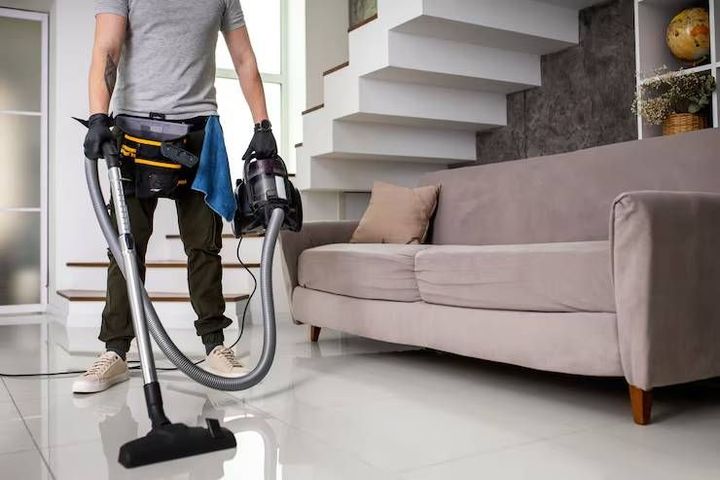
Cylinder steam cleaners: Larger household appliances with a separate water tank, flexible hose, and interchangeable attachments.
Commercial steam cleaners: Equipment designed for frequent cleaning in facilities, hospitality environments, and commercial buildings.
Industrial steam cleaners: Higher-capacity machines used in selected manufacturing, maintenance, and equipment-cleaning applications.
The appropriate configuration depends on the surface material, cleaning frequency, required operating pressure, and available workspace.
Importance
Steam cleaners have become relevant to household cleaning, commercial property maintenance, hospitality operations, and selected industrial applications. Their ability to use heated water for loosening dirt makes them useful in situations where conventional wiping or manual scrubbing may require additional effort.
They can help address common cleaning challenges involving grease, dried spills, accumulated dust, and residue. However, their suitability depends on the surface material and the manufacturer's operating instructions.
Benefits for Everyday Cleaning
Steam cleaning offers several practical characteristics that influence its use in different environments.
Reduced dependence on chemical cleaning agents: Some cleaning tasks can be completed using water and heat, although certain applications may still require approved cleaning products.
Support for difficult cleaning areas: Steam attachments can reach selected corners, grout lines, edges, and narrow spaces.
Grease removal: Heated moisture can soften grease and oily residue on compatible surfaces.
Household versatility: Different attachments allow one appliance to handle selected floor, kitchen, bathroom, and upholstery applications.
Moisture management: Steam can loosen contamination, while microfiber cloths and suitable collection attachments help remove the released material.
Who Uses Steam Cleaning Equipment?
Different groups use steam cleaning appliances according to their operational requirements.
Households commonly use handheld units and steam mops for selected cleaning activities. Hotels, restaurants, educational buildings, and office facilities may use commercial equipment for routine surface maintenance.
Manufacturing facilities can also use specialized steam cleaning machines for certain equipment components and compatible production areas. These applications require attention to electrical safety, material compatibility, ventilation, and equipment operating limits.
Surfaces and Materials That Require Attention
Not every surface is suitable for steam cleaning. Excessive heat and moisture may damage sensitive materials, protective coatings, adhesives, or unfinished surfaces.
Examples of materials requiring additional attention include:
Unsealed wood and wooden flooring.
Delicate fabrics and certain upholstery materials.
Unsealed natural stone.
Surfaces containing heat-sensitive adhesives.
Certain painted or laminated materials.
Electronic equipment and electrical components.
A surface compatibility check should always be completed before applying steam.
Recent Updates
Steam cleaner technology continues to develop through improvements in heating efficiency, appliance design, temperature management, and user safety. Recent developments reflect increasing interest in compact cleaning equipment, reduced chemical dependence, and appliances that can handle multiple household cleaning tasks.
Developments in Steam Cleaner Technology
Several developments are influencing modern steam cleaning equipment.
Improved heating systems: Manufacturers are developing heating chambers and temperature controls designed to manage steam generation more efficiently.
Adjustable steam output: Different steam settings allow users to select output levels according to surface requirements and cleaning conditions.
Compact appliance designs: Handheld models and lightweight steam mops are becoming important product categories for smaller living spaces.
Multiple attachments: Interchangeable brushes, floor heads, fabric tools, and narrow nozzles support different cleaning applications.
Enhanced safety controls: Pressure regulation, automatic shut-off functions, temperature indicators, and safety locks are increasingly important design considerations.
Lower chemical dependence: Some cleaning applications can use heated water without additional chemical cleaning agents.
Technology Trends During 2024–2026
Recent standards developments also reflect continued attention to appliance safety. The international IEC 60335-2-54 standard covers household surface-cleaning appliances that use liquids or steam, with an amendment published in 2025. These requirements address electrical and mechanical hazards associated with household cleaning equipment.
Digital controls, improved insulation, replaceable accessories, and more convenient water-tank designs are also relevant product development areas. However, performance varies between models, and features should be evaluated according to their actual specifications rather than general technology claims.
Laws or Policies
Steam cleaners are affected by product safety requirements, electrical appliance standards, consumer protection rules, and environmental policies. The exact requirements depend on the country, appliance category, operating pressure, intended application, and whether the equipment is designed for household or industrial use.
Electrical Safety Standards
Electrical cleaning appliances must be designed to reduce risks involving electric shock, overheating, electrical faults, and accidental burns. International standards published by the International Electrotechnical Commission provide technical requirements for different categories of household and commercial appliances.
IEC 60335-2-54 addresses household surface-cleaning appliances that employ liquids or steam. IEC 60335-2-79 covers specified high-pressure cleaning equipment and certain steam-cleaning applications. Their scopes differ, so the applicable standard depends on the machine's design and intended use.
Indian Product Regulations
In India, the Bureau of Indian Standards (BIS) develops and administers national product standards. The BIS Act and applicable Quality Control Orders establish requirements for products covered by mandatory certification or conformity provisions.
The 2026 Safety of Household, Commercial and Similar Electrical Appliances Quality Control Order specifies implementation arrangements for the listed electrical appliance categories under IS 302 (Part 1):2024. Its applicability to a particular steam cleaner should be checked against the product's classification and the notified schedule.
Consumer Protection and Environmental Considerations
Consumer protection requirements generally address accurate product descriptions, appropriate safety information, warranty conditions, and consumer rights. Manufacturers and distributors must follow the applicable rules in the markets where their products are supplied.
Environmental requirements may also apply to electrical appliance packaging, electronic waste, and material disposal. Users should follow local waste-management procedures rather than disposing of electrical appliances with ordinary household waste.
Tools and Resources
Understanding steam cleaner specifications and maintenance requirements helps users select suitable equipment and operate it correctly. Several practical tools and resources can support this process.
Helpful Steam Cleaner Selection Tools
The following information can help when comparing different steam cleaner models:
Product specification sheets: Provide details about power consumption, tank capacity, heating time, operating pressure, and accessories.
Surface compatibility guides: Explain which floor types, fabrics, and materials can tolerate steam cleaning.
Energy consumption calculators: Estimate electricity consumption using appliance wattage and operating hours.
User manuals: Explain water filling, operating procedures, safety controls, cleaning attachments, and maintenance requirements.
Warranty documentation: Describes applicable coverage, exclusions, and equipment maintenance conditions.
Steam Cleaner Maintenance Requirements
Regular maintenance supports reliable appliance operation and helps identify potential problems before they become serious.
Maintenance component | Recommended attention | Purpose |
|---|---|---|
Water tank | Inspect regularly | Identify deposits and residue |
Heating chamber | Follow manual instructions | Reduce mineral accumulation |
Steam nozzle | Check after use | Prevent blockages |
Microfiber cloth | Wash after cleaning | Maintain effective dirt collection |
Hoses and connections | Inspect periodically | Identify leaks or damage |
Electrical cable | Check before operation | Identify insulation damage |
Accessories | Clean and dry properly | Maintain attachment condition |
Common Operating and Maintenance Practices
Users should empty and clean the water tank according to the manufacturer's instructions. Where mineral deposits are a concern, the recommended water type and descaling procedure should be followed.
Other useful practices include:
Allowing the appliance to cool before opening its water chamber.
Disconnecting electrical power before cleaning external components.
Checking hoses, seals, and attachments for visible damage.
Avoiding sharp objects when clearing nozzle blockages.
Storing the appliance in a dry location.
Replacing damaged accessories with compatible components.
Never open a pressurized water chamber or remove a safety component while the appliance is operating or still hot.
FAQs
What Is a Steam Cleaner Used For?
A steam cleaner is used to remove dirt, grease, stains, and residue from compatible surfaces using heated water vapor. Common applications include floor cleaning, kitchen maintenance, bathroom cleaning, and selected upholstery applications.
How Does a Steam Cleaner Work?
A steam cleaner heats water inside an internal chamber to generate steam. The steam passes through a nozzle or attachment, where heat and moisture help loosen dirt and surface deposits for removal.
Can Steam Cleaners Be Used on Wooden Floors?
Steam cleaners may damage unsealed wood, laminate flooring, and certain engineered surfaces because of heat and moisture exposure. Only use steam on flooring when the manufacturer confirms compatibility.
What Is the Difference Between a Steam Mop and a Handheld Steam Cleaner?
A steam mop is primarily designed for compatible hard-floor surfaces and generally has a long handle with a floor-cleaning head. A handheld steam cleaner is smaller and designed for selected detailed cleaning tasks, including corners, fixtures, and narrow spaces.
How Often Should a Steam Cleaner Be Descaled?
Descaling frequency depends on water hardness, appliance usage, and manufacturer instructions. Regular inspection helps identify mineral deposits, while following the recommended cleaning procedure helps maintain the heating system and steam output.
Conclusion
Steam cleaners use heated water vapor to loosen dirt, grease, and residue from compatible surfaces. Different models, including handheld appliances, steam mops, cylinder machines, and industrial equipment, address different cleaning requirements. Proper maintenance, surface compatibility checks, and electrical safety precautions are important aspects of their operation. Developments in heating technology, appliance controls, and safety standards continue to influence the steam cleaning equipment industry.