Smart Utility Networks Guide: Infrastructure, Digital Systems, Monitoring and Management
A Smart Utility Networks Guide explains how digital technologies, physical infrastructure, monitoring systems, and management tools work together to deliver essential utilities. These networks support electricity, water, natural gas, and district heating systems, helping operators monitor resources, identify disruptions, and coordinate distribution. They developed from traditional utility networks as digital communication, electronic sensors, and automated control technologies became more widely used.
Context
A Smart Utility Networks Guide explains how digital technologies, physical infrastructure, monitoring systems, and management tools work together to deliver essential utilities. These networks support electricity, water, natural gas, and district heating systems, helping operators monitor resources, identify disruptions, and coordinate distribution. They developed from traditional utility networks as digital communication, electronic sensors, and automated control technologies became more widely used.
Traditional utility infrastructure relies heavily on physical equipment, scheduled inspections, and manual readings. Smart utility networks add digital meters, connected sensors, communication systems, and data analysis tools that provide more detailed information about network conditions. The exact technologies vary according to the utility, the area's infrastructure, and the needs of its operators.
Main Components of Smart Utility Networks
Smart utility networks combine several connected elements that perform different functions. Their purpose is to collect information, communicate it to relevant systems, and help operators make informed decisions.
Physical infrastructure: Pipes, cables, substations, pumps, transformers, valves, and distribution equipment carry or control utility resources.
Smart meters: Electronic devices record consumption and may transmit readings automatically.
Sensors: Equipment measures conditions such as pressure, temperature, voltage, flow, and equipment vibration.
Communication networks: Wired connections, cellular networks, radio systems, and other technologies transfer operational information.
Control and management software: Digital platforms organize data, display network conditions, and support operational decisions.
These components work together, but not every network uses the same configuration. Electricity distribution systems, for example, require different monitoring equipment from water supply networks.
Importance
Smart utility networks matter because communities and industries depend on reliable access to electricity, clean water, and other essential resources. Population growth, urban development, changing weather patterns, and aging infrastructure can increase pressure on existing networks. Digital monitoring helps operators understand changing conditions and identify certain problems before they cause wider disruption.
For households, smart utility systems can provide more detailed consumption information and reduce reliance on manual meter readings. For businesses, factories, and public institutions, improved visibility into utility usage can support operational planning and resource management.
Everyday Benefits and Operational Challenges
Smart utility networks can help address several practical challenges:
Fault detection: Sensors can identify unusual readings that may indicate equipment failure, leakage, or an electrical fault.
Resource management: Consumption data helps operators understand demand patterns and plan distribution.
Maintenance planning: Equipment condition data can help identify components that need inspection.
Network coordination: Connected monitoring systems help operators compare conditions across different parts of a network.
Consumer awareness: Detailed meter readings can help households understand when and how utilities are used.
However, digital monitoring does not eliminate every interruption or equipment failure. Networks still depend on physical maintenance, trained personnel, reliable communications, and appropriate emergency procedures. Installation, data quality, compatibility, and cybersecurity also require ongoing attention.
Comparing Traditional and Smart Utility Networks
| Feature | Traditional networks | Smart utility networks |
|---|---|---|
| Meter readings | Often manual or periodic | May be automatic and frequent |
| Equipment monitoring | Scheduled inspections | Continuous or periodic digital monitoring |
| Fault identification | May depend on reports and inspections | May use alerts and sensor readings |
| Data management | Paper records or separate systems | Integrated digital platforms may be used |
| Maintenance planning | Often schedule-based | Can include condition-based planning |
| Consumer information | Periodic statements | May include more detailed usage data |
These are general comparisons. Traditional networks may already use automation, while smart networks can still depend on manual inspections and local operational procedures.
Recent Updates
Smart utility networks continue to develop through advances in connected devices, data analysis, communications, and automated control. Across 2024–2026, major areas of activity have included electricity grid modernization, advanced metering, distributed energy integration, water loss monitoring, and improved protection of operational technology. Adoption varies between countries and utility operators, so these developments should not be interpreted as universal features of every network.
Digital Monitoring and Intelligent Management
Modern utility management platforms can combine information from meters, sensors, maintenance records, and control equipment. Some systems use artificial intelligence and analytical models to identify unusual consumption patterns, forecast demand, or support equipment maintenance decisions.
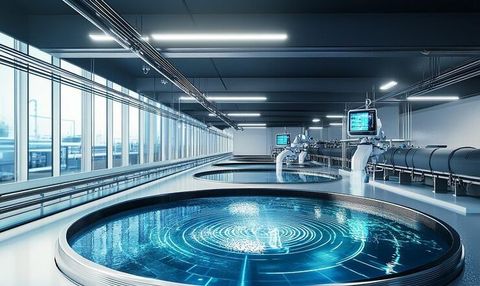
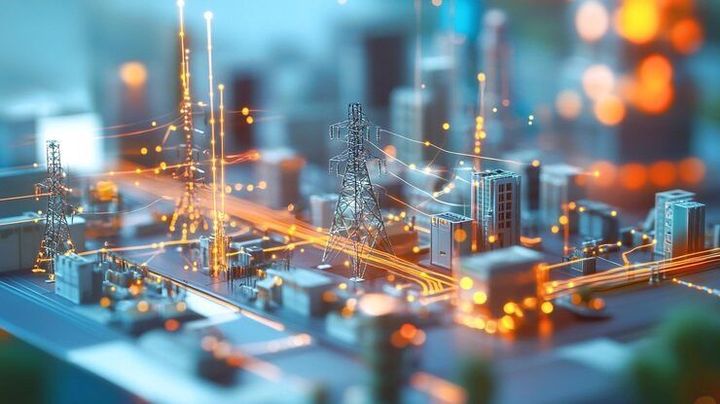
For electricity networks, digital tools can help operators manage changing demand and the integration of rooftop solar panels, battery storage, and electric vehicle charging. Water utilities can use pressure and flow monitoring to investigate possible leakage or changes in distribution conditions. These systems support decision-making, but their accuracy depends on the quality of the underlying data and the reliability of the equipment.
Interoperability and Cybersecurity
Utilities increasingly need different devices and software systems to exchange information. Common communication standards and compatible data formats can simplify integration, although older equipment may require upgrades or additional interfaces.
Cybersecurity has also become a major concern because connected utility equipment can affect physical infrastructure. Operators use measures such as access controls, network separation, software updates, activity monitoring, backups, and incident-response procedures. Digital connections can improve visibility while also creating additional risks if systems are poorly configured or inadequately protected.
Energy Efficiency and Resource Conservation
Smart monitoring can help identify avoidable electricity use, unusual water consumption, and inefficient operating patterns. In some cases, detailed information allows utilities and consumers to adjust usage according to demand or equipment performance.
The actual results depend on network design, local conditions, maintenance practices, and how information is used. Digital technology alone does not guarantee lower consumption or prevent outages.
Laws or Policies
Smart utility networks operate within legal and regulatory frameworks covering infrastructure, safety, data protection, environmental responsibilities, and cybersecurity. Requirements differ according to the utility type, ownership structure, location, and nature of the equipment.
Utility Regulation in India
In India, electricity networks are governed by legislation and regulations that establish responsibilities for generation, transmission, distribution, and electricity market operations. The Electricity Act, 2003, provides a central legal framework, while the Central Electricity Authority and relevant electricity regulatory commissions perform functions within their respective jurisdictions.
Government initiatives have also supported electricity distribution modernization and smart metering. The Revamped Distribution Sector Scheme, for example, includes measures aimed at improving distribution infrastructure, operational efficiency, and financial sustainability. Its implementation and individual project arrangements depend on the relevant authorities and approved plans.
Water supply and distribution generally involve state governments, urban local bodies, and other responsible authorities. Applicable rules may cover water quality, infrastructure planning, environmental protection, and public health. Natural gas networks are subject to relevant sector-specific laws, technical requirements, and regulatory oversight.
Data Protection and Cybersecurity
Smart meters and connected utility platforms may process consumption records, account information, and other data linked to customers. India's Digital Personal Data Protection Act, 2023, forms part of the country's data-protection framework, with applicable obligations depending on the provisions in force, associated rules, and the circumstances of processing.
Utility operators may also need to follow sector-specific cybersecurity directions and technical requirements. For electricity infrastructure, relevant authorities and government cybersecurity bodies publish guidance and requirements applicable to different entities and systems. Operators must determine which provisions apply to their infrastructure rather than assuming one rule covers every utility network.
Tools and Resources
Several technical resources help explain, assess, and manage smart utility networks. The appropriate tool depends on whether the purpose is household monitoring, infrastructure planning, equipment management, or cybersecurity.
Monitoring and Network Management Platforms
Supervisory Control and Data Acquisition (SCADA) systems allow operators to monitor industrial processes and, where configured, control connected equipment. They are used in electricity, water, and other infrastructure environments. Human-machine interfaces display measurements, equipment status, alarms, and operating conditions.
Advanced Metering Infrastructure (AMI) combines smart meters with communication and data-management systems. Depending on its configuration, it can support remote readings, consumption analysis, and communication between meters and utility systems.
Geographic Information Systems (GIS) help map physical assets such as pipelines, power lines, valves, and substations. Asset-management platforms can record equipment details, inspection history, maintenance activities, and repair schedules.
Data Analysis and Planning Resources
Spreadsheets and analytical software can organize meter readings, identify consumption patterns, and compare performance over time. More specialized tools may model electricity demand, water distribution, equipment condition, or network capacity.
Useful reference resources include:
Bureau of Energy Efficiency: Information on energy efficiency and related initiatives in India.
Central Electricity Authority: Electricity-sector publications, technical guidance, and relevant regulatory information.
Bureau of Indian Standards: Applicable Indian standards for electrical equipment and other technical systems.
Ministry of Power: Information about electricity distribution modernization and government programs.
Central Ground Water Board and relevant state water authorities: Resources related to groundwater and water management.
The availability and relevance of each resource depend on the particular utility and project. Official publications and current technical documentation provide context for understanding requirements and system capabilities.
FAQs
What are smart utility networks?
Smart utility networks combine physical infrastructure with digital meters, sensors, communication technologies, and management software. They help operators monitor utility distribution and make decisions using operational data.
How does smart utility network monitoring work?
Sensors and smart meters collect information about conditions such as consumption, pressure, flow, or voltage. Communication systems transmit the readings to monitoring platforms, where operators can review data and investigate alerts.
What are the main benefits of smart utility management systems?
Smart utility management systems can improve operational visibility, support fault detection, help organize maintenance, and provide more detailed consumption information. Results depend on system design, data quality, and operational practices.
Which technologies are used in smart electricity and water networks?
Common technologies include smart meters, SCADA systems, communication networks, GIS mapping, automated controls, and analytical software. Electricity and water networks use different sensors and equipment according to their operating requirements.
Which Indian policies affect smart utility networks?
Relevant frameworks include the Electricity Act, 2003, applicable electricity regulations, sector-specific technical requirements, and relevant data-protection provisions. Government programs such as the Revamped Distribution Sector Scheme also support aspects of electricity distribution modernization.
Conclusion
Smart utility networks combine physical infrastructure, digital monitoring, communication systems, and management software to support electricity, water, and other utility operations. Their capabilities include improved operational visibility, consumption analysis, fault identification, and maintenance planning. In India, utility laws, technical standards, government programs, and data-protection requirements shape how these systems are developed and operated. Reliable implementation depends on appropriate infrastructure, accurate information, cybersecurity, and continuing maintenance.