Packaging Machinery Solutions Guide: Equipment Types, Production Processes and Selection Factors
A Packaging Machinery Solutions Guide explains the equipment, production processes, and selection factors involved in packaging products for storage, transport, and distribution. Packaging machinery is used across industries such as food processing, pharmaceuticals, cosmetics, chemicals, electronics, and consumer goods. These systems developed as manufacturers needed more consistent ways to fill containers, close packages, apply labels, and prepare finished products for distribution.
Context
A Packaging Machinery Solutions Guide explains the equipment, production processes, and selection factors involved in packaging products for storage, transport, and distribution. Packaging machinery is used across industries such as food processing, pharmaceuticals, cosmetics, chemicals, electronics, and consumer goods. These systems developed as manufacturers needed more consistent ways to fill containers, close packages, apply labels, and prepare finished products for distribution.
Modern packaging machinery ranges from manually operated devices to automated production lines that connect several machines into one coordinated process. The appropriate equipment depends on the product's physical properties, packaging material, production volume, hygiene requirements, and applicable industry rules. Understanding these factors helps businesses and general readers recognize how packaging operations work.
Understanding Packaging Machinery Types
Packaging equipment performs different tasks depending on the stage of production. Some machines prepare containers, while others measure products, fill packages, seal openings, or arrange finished units for transport.
Common equipment categories include:
Filling machines: Dispense liquids, powders, granules, or pastes into containers.
Sealing machines: Close bags, pouches, trays, bottles, and other packages using suitable sealing methods.
Labeling machines: Apply product information, identification labels, barcodes, or tracking codes.
Wrapping machines: Enclose products in flexible film or other wrapping materials.
Cartoning machines: Place products into cartons and may close or secure the cartons.
Case packing machines: Arrange individual packages inside larger shipping cases.
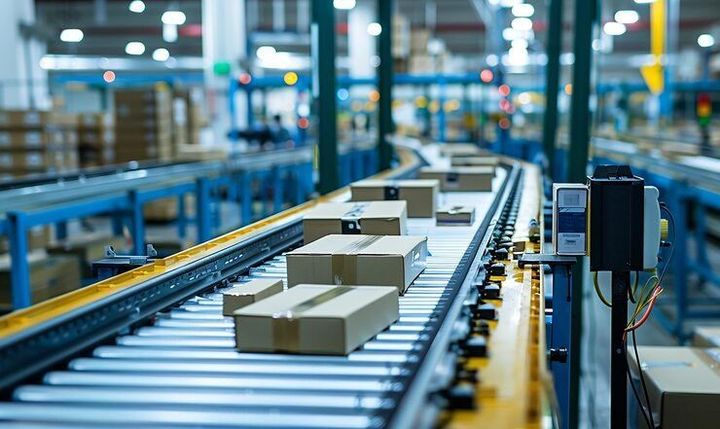
Palletizing systems: Stack cartons or containers onto pallets for warehouse handling and transport.
Each machine is designed for particular materials, package formats, and operating conditions. A filling system intended for thin liquids, for example, may not handle thick pastes or dry powders without different components and adjustments.
Main Packaging Production Processes
Packaging lines commonly follow a sequence of preparation, filling, closure, inspection, and handling. The exact order varies according to the product and package design.
A typical process may include:
Container preparation: Bottles, cartons, pouches, or trays are positioned and checked before filling.
Product dosing: A measured quantity is delivered into each package.
Package closure: Caps, lids, seals, or folded flaps secure the contents.
Labeling and coding: Labels and production information are applied.
Inspection: Sensors, cameras, or weighing equipment check selected package characteristics.
Secondary packaging: Individual packages are grouped into cartons or shipping cases.
Palletizing: Finished cases are arranged for storage and transportation.
Not every production line uses every stage. Some products require sterile handling, protective atmospheres, special temperature controls, or additional inspection steps.
Importance
Packaging machinery affects production consistency, product protection, workplace efficiency, and the movement of goods through supply chains. Inadequate packaging can lead to leakage, contamination, damaged containers, incorrect labels, or difficulties during transportation. Suitable machinery helps manufacturers control these risks while preparing products for distribution.
These systems also influence how workers perform repetitive tasks. Automation can reduce certain forms of manual handling, but it introduces requirements for machine guarding, operator training, maintenance, and safe procedures during cleaning or equipment adjustments.
Factors That Influence Equipment Selection
Selecting packaging machinery requires an understanding of the product, packaging format, production environment, and expected operating conditions.
Product characteristics: Viscosity, particle size, temperature, moisture sensitivity, and fragility affect machine design.
Packaging material: Glass, plastic, metal, paperboard, and flexible films require different handling and closure methods.
Production capacity: Required output per minute or hour influences machine speed and line configuration.
Accuracy requirements: Filling tolerances, package dimensions, and label positioning may need specific controls.
Hygiene and cleaning: Food, pharmaceutical, and personal care applications may require suitable materials, cleanable surfaces, or controlled environments.
Available space: Floor area, ceiling height, access routes, and connections for power or compressed air can limit installation options.
Maintenance needs: Spare parts, cleaning intervals, operator training, and access to components influence long-term operation.
Compatibility between machines is equally important. A high-speed filling machine may create a bottleneck if the downstream sealing or labeling equipment cannot process packages at a similar rate.
Comparing Packaging Equipment
| Equipment type | Main function | Common applications |
|---|---|---|
| Filling machine | Measures and dispenses products | Bottles, jars, pouches |
| Sealing machine | Closes package openings | Bags, trays, flexible packs |
| Labeling machine | Applies labels and identification | Bottles, cartons, containers |
| Wrapping machine | Encloses products in film | Individual goods and multipacks |
| Cartoning machine | Places products into cartons | Consumer goods and packaged foods |
| Case packer | Groups packages into shipping cases | Warehousing and distribution |
| Palletizing system | Stacks cases for movement | Manufacturing and logistics |
These categories can overlap. Integrated packaging machinery solutions may combine several functions, while smaller production operations may use separate machines for each stage.
Recent Updates
Packaging machinery development increasingly focuses on automation, digital monitoring, flexible production, and material efficiency. During 2024–2026, these areas have remained important as manufacturers respond to changing product formats, production requirements, workforce constraints, and packaging regulations. The adoption rate varies by industry, company size, and the complexity of existing equipment.
Automation and Smart Manufacturing
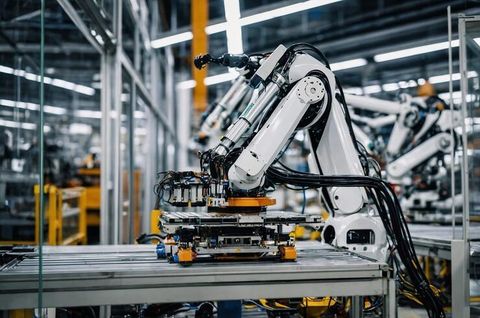
Modern packaging lines may use programmable logic controllers, sensors, machine vision, and industrial communication systems to coordinate equipment. These technologies can monitor operating conditions, identify certain package defects, and help operators locate interruptions in production.
Machine data can also support maintenance planning. For example, equipment monitoring may reveal repeated stoppages or changes in operating performance that require investigation. Such systems still need suitable calibration, reliable data, trained personnel, and procedures for responding to alerts.
Flexible Packaging and Material Efficiency
Manufacturers increasingly examine packaging formats that use less material or support established recycling systems. Machinery may need adjustments to handle lightweight films, paper-based packaging, recyclable materials, or containers with different shapes and dimensions.
However, changing packaging material is not simply a matter of replacing one roll or container. Material strength, barrier properties, sealing temperatures, product compatibility, and transport conditions must be considered together. Packaging that reduces material use must still protect the product and meet applicable safety requirements.
Digital Quality Control
Machine vision and automated inspection systems can examine label placement, package appearance, fill levels, and selected closure characteristics. Checkweighers can identify packages outside specified weight limits, while coding systems help apply batch numbers and traceability information.
These technologies do not eliminate the need for quality procedures. Inspection systems must be configured for the product, tested under operating conditions, and maintained to detect the defects they are intended to identify.
Laws or Policies
Packaging machinery is affected by workplace safety rules, product-specific regulations, packaging and labeling requirements, and environmental policies. The applicable requirements depend on the product, the machinery's design, and the country where the equipment is installed or used.
Packaging Machinery Regulations in India
In India, manufacturers and operators may need to consider applicable requirements under the Factories Act, 1948, and relevant state factory rules, alongside other occupational safety provisions applicable to their establishment. The Occupational Safety, Health and Working Conditions Code, 2020, is also part of the country's labor-law framework; its applicability depends on commencement and implementation arrangements in force.
Machinery installations should be assessed for moving parts, electrical hazards, emergency stopping, guarding, and safe access for maintenance. Equipment intended for food processing may also need to comply with relevant Food Safety and Standards Authority of India requirements, including applicable hygiene and packaging provisions.
Product Labeling and Packaging Waste
Packaged goods sold in India may be subject to the Legal Metrology Act, 2009, and the Packaged Commodities Rules, 2011, where applicable. These rules address specified declarations on packaged commodities, including matters such as quantity and manufacturer or importer information.
Plastic packaging may also fall within the Plastic Waste Management Rules, 2016, and subsequent amendments, including applicable extended producer responsibility requirements. The precise obligations vary by packaging category and the role of the business. Machinery selection should therefore account for required labels, coding, package materials, and inspection procedures.
Businesses should verify current rules with relevant government authorities and qualified compliance professionals. Requirements can change, and not every provision applies to every product or establishment.
Tools and Resources
Several technical resources help businesses assess packaging machinery, organize production requirements, and plan equipment integration.
Equipment Planning and Design Tools
Computer-aided design software can help plan machine layouts, estimate floor-space requirements, and examine access for operators and maintenance teams. Production spreadsheets can record target output, package dimensions, changeover times, downtime, material use, and inspection results.
Equipment specifications and operating manuals are important references when checking compatibility. They commonly describe permitted materials, machine speed ranges, power requirements, cleaning procedures, maintenance intervals, and safety precautions.
Production and Quality Calculations
Manufacturers can use straightforward calculations to understand line performance.
For example, theoretical hourly output can be estimated by multiplying the machine's nominal packages-per-minute rate by 60. Actual output may be lower because of changeovers, stoppages, inspection, material replenishment, and rejected packages.
Other useful measurements include:
Throughput: The number of packages processed during a specified period.
Reject rate: The proportion of inspected packages that fail defined acceptance criteria.
Downtime: The time equipment is unavailable for planned production.
Material usage: The quantity of packaging material consumed per production batch or finished unit.
These measurements help identify operational limitations and compare performance over time.
Standards and Technical Information
The Bureau of Indian Standards publishes Indian Standards relevant to various products, materials, and engineering practices. The International Organization for Standardization provides information about standards used in quality management, environmental management, and other technical areas. Relevant standards should be selected according to the machinery and application rather than assumed to apply universally.
FAQs
What are the main types of packaging machinery?
Common types include filling, sealing, labeling, wrapping, cartoning, case packing, and palletizing machines. Each performs a particular function, and several types can be combined into one production line.
How are packaging machinery solutions selected?
Selection depends on product characteristics, packaging materials, required output, accuracy, hygiene, available space, maintenance needs, and applicable regulations. Compatibility between connected machines is also important.
What is the role of automation in packaging production processes?
Automation coordinates tasks such as filling, sealing, labeling, inspection, and product handling. Sensors and control systems can improve process monitoring, but they require proper setup, maintenance, and operator oversight.
Which packaging machinery is used for food products?
Food packaging may involve filling machines, sealing equipment, labeling systems, checkweighers, and case packers. The required configuration depends on the food's properties, packaging material, hygiene conditions, and applicable food safety rules.
Which Indian regulations affect packaging machinery?
Relevant requirements may include workplace safety provisions, applicable food safety rules, packaged commodity declarations, and plastic packaging waste regulations. The precise requirements depend on the product, establishment, and machinery application.
Conclusion
Packaging machinery solutions combine equipment and production processes to prepare products for safe handling, storage, and distribution. Selecting suitable equipment requires attention to product properties, packaging materials, throughput, inspection, maintenance, and workplace safety. Automation and digital monitoring are shaping modern packaging operations, while material efficiency and regulatory compliance remain important considerations. Understanding these factors provides a foundation for evaluating packaging systems across different industries.