Smart Industrial Sensors Explained With IoT Technology and Process Monitoring
Smart industrial sensors are electronic devices that detect physical conditions in industrial environments and convert those conditions into usable digital information. They can measure factors such as temperature, pressure, vibration, humidity, flow, position, level, speed, and electrical characteristics.
Traditional sensors generally provide a basic measurement to a control system. Smart industrial sensors add processing, communication, diagnostics, and data-handling capabilities. This allows sensor information to move through connected industrial networks and become part of broader monitoring systems.
The development of smart sensors is closely connected with industrial automation, the Industrial Internet of Things (IIoT), and digital manufacturing. As factories and processing facilities adopted programmable controllers, computerized monitoring, and connected equipment, sensors became an important source of operational data.
How IoT Technology Connects Sensors
IoT technology allows physical equipment to communicate measurement data through digital networks. In an industrial environment, a sensor may collect a reading, process it locally, and send the information to a gateway, controller, cloud platform, or industrial monitoring application.
A typical data path can look like this:
- Sensor: Detects a physical condition.
- Edge device: Processes or organizes incoming information.
- Network: Transfers data between industrial devices.
- Analytics platform: Examines measurements and identifies patterns.
- Monitoring interface: Displays information for operators and technical teams.
This connected structure allows process monitoring to move beyond individual machine readings. Data from multiple production areas can be viewed together, creating a broader picture of equipment and operating conditions.
Common Sensor Categories
Smart industrial sensors are available for different measurement requirements. The appropriate type depends on the equipment, environment, material, and process being monitored.
| Sensor Type | Main Measurement | Common Industrial Use |
|---|---|---|
| Temperature sensor | Heat level | Ovens, motors, tanks |
| Pressure sensor | Fluid or gas pressure | Pumps, pipelines, vessels |
| Vibration sensor | Mechanical movement | Motors, rotating equipment |
| Flow sensor | Fluid or gas movement | Process lines |
| Level sensor | Material height | Tanks and storage systems |
| Humidity sensor | Moisture in air | Controlled environments |
| Proximity sensor | Object presence or position | Automated machinery |
| Current sensor | Electrical current | Motors and electrical systems |
Importance
Why Process Monitoring Matters
Industrial processes often involve continuous movement, heating, cooling, pressure changes, electrical loads, or mechanical activity. Small changes can influence production conditions, equipment operation, energy use, and product consistency.
Smart industrial sensors provide measurements that can help technical teams understand what is happening inside equipment. Instead of relying only on occasional manual checks, connected monitoring systems can collect measurements at regular intervals or continuously.
This information can be useful for identifying unusual operating patterns. For example, an increasing vibration reading from rotating machinery may indicate a change in mechanical behavior that deserves further inspection.
Who Uses Smart Sensor Technology
Smart sensors are used across many industrial sectors, including:
- Manufacturing facilities
- Food and beverage processing
- Pharmaceutical production
- Automotive manufacturing
- Energy systems
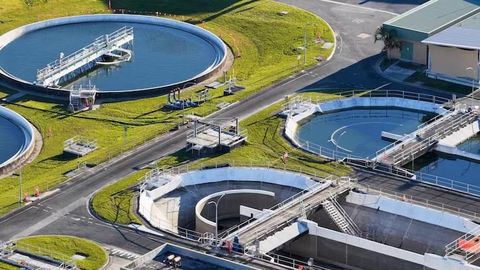
- Water treatment facilities
- Chemical processing
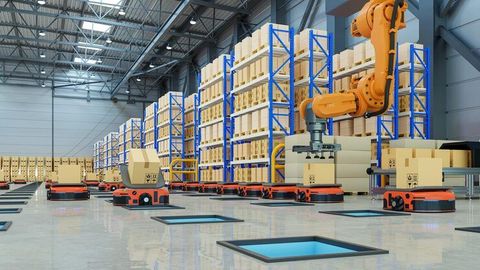
- Warehousing and material handling
- Semiconductor production
- Building and facility management
The technology affects operators, maintenance teams, engineers, plant managers, system integrators, and equipment designers. It can also indirectly affect consumers because industrial monitoring supports consistency and reliability across many production processes.
Benefits of Connected Measurements
Smart industrial sensors can contribute to several operational objectives. Their value comes primarily from the quality and usefulness of the information they generate.
Continuous measurements can help with condition monitoring, where equipment data is observed over time rather than examined only after a problem occurs. Historical readings can also help teams compare normal operating patterns with unusual conditions.
Another important area is predictive maintenance. Sensor information can be combined with historical equipment behavior to identify patterns associated with developing mechanical or operational issues. Predictive approaches do not eliminate equipment failures, but they can provide additional information for maintenance planning.
Data Quality and Sensor Selection
Connected monitoring depends heavily on accurate and appropriate measurements. A sensor that is unsuitable for a particular temperature range, pressure level, material, or environmental condition can produce unreliable information.
Important selection factors include:
- Measurement range
- Accuracy requirements
- Response time
- Environmental conditions
- Communication protocol
- Power requirements
- Installation method
- Calibration requirements
- Compatibility with existing control systems
Recent Updates
Growth of Edge Processing
Recent industrial sensor development has increasingly focused on edge processing. Instead of sending every raw measurement to a distant platform, some smart sensors and connected devices can perform initial calculations close to the equipment.
Edge processing can reduce unnecessary data transmission and allow certain monitoring functions to operate with lower communication dependence. It is particularly useful where large numbers of sensors generate measurements continuously.
More Industrial Communication Options
Industrial networks have continued to evolve toward greater interoperability. Technologies such as Ethernet-based industrial communication, wireless connectivity, and standardized data models are becoming increasingly relevant to connected manufacturing environments.
Protocols and platforms can help different devices exchange information in structured formats. This is important because industrial facilities often contain equipment from multiple generations and manufacturers.
AI-Assisted Monitoring
Artificial intelligence and machine learning are also being integrated into industrial monitoring systems. Sensor readings can provide the underlying data used to identify patterns, detect anomalies, and support equipment analysis.
AI-based systems require suitable data, appropriate models, and careful interpretation. A sensor reading alone does not establish the cause of an equipment problem, so automated alerts generally need to be considered alongside operating conditions and technical information.
Cybersecurity Has Become More Important
As industrial sensors become connected to larger networks, cybersecurity has become an important consideration. A sensor that previously communicated only with a local controller may now interact with gateways, databases, analytics platforms, and remote monitoring systems.
Current industrial architectures therefore increasingly consider network segmentation, access controls, authentication, software maintenance, encryption, and device management as part of connected sensor deployment.
Laws or Policies
Industrial Data and Safety Requirements
Rules affecting smart industrial sensors vary according to the country, industry, equipment type, and application. In many jurisdictions, industrial facilities must follow workplace safety requirements, electrical standards, machinery rules, environmental requirements, and sector-specific regulations.
Sensor systems used for safety-related functions may face additional requirements. A temperature sensor used for ordinary process monitoring can have different compliance considerations from a sensor forming part of a protective shutdown system.
Cybersecurity and Connected Equipment
Government policies in many regions increasingly address cybersecurity for connected industrial systems. Organizations may be expected or encouraged to protect industrial networks, control access, manage software vulnerabilities, and maintain appropriate records.
International frameworks can also influence industrial cybersecurity practices. Organizations often use established cybersecurity frameworks and industrial automation standards to structure risk management, even when a particular framework is not legally mandatory.
Calibration and Measurement Controls
Certain industrial applications require measurement equipment to be calibrated or maintained according to applicable technical or regulatory requirements. Calibration helps establish whether an instrument continues to perform within its intended measurement range.
Because requirements differ significantly between industries and jurisdictions, organizations generally need to check the rules that apply to their specific equipment and process.
Tools and Resources
Sensor Configuration Tools
Manufacturers of industrial sensing equipment commonly provide configuration software, technical manuals, calibration documentation, communication guides, and diagnostic utilities. These resources can help technicians understand sensor settings and communication parameters.
Industrial Monitoring Platforms
Monitoring platforms can collect readings from multiple devices and display them through dashboards. Depending on the system, these platforms may provide trend charts, alarms, historical data, equipment status information, and reporting functions.
Data Analysis Tools
Spreadsheet applications, database systems, industrial historians, and analytics platforms can be used to examine sensor readings. Basic trend analysis can reveal changes that may not be obvious from individual measurements.
Standards and Technical Documentation
Technical standards and engineering documentation are useful when designing a connected monitoring architecture. Resources may cover measurement practices, communication protocols, cybersecurity, equipment installation, and functional safety.
A useful documentation set for a sensor deployment may include:
- Sensor specifications
- Wiring diagrams
- Network architecture
- Calibration records
- Communication settings
- Maintenance instructions
- Alarm definitions
- Data retention procedures
FAQs
What are smart industrial sensors?
Smart industrial sensors are sensing devices with additional capabilities such as local processing, diagnostics, digital communication, or network connectivity. They are commonly used for industrial measurement and process monitoring.
How does IoT technology work with industrial sensors?
IoT technology connects sensors with controllers, gateways, networks, databases, and monitoring platforms. The resulting data can be processed and displayed for operational analysis.
What measurements can smart industrial sensors monitor?
Smart industrial sensors can measure temperature, pressure, vibration, flow, level, humidity, position, speed, electrical current, and other physical conditions. The available measurement depends on the sensor design.
Are smart industrial sensors used for predictive maintenance?
Yes. Sensor readings can provide data for condition monitoring and predictive maintenance systems. Trends and changes in measurements can be analyzed alongside other equipment information to identify unusual behavior.
Why is cybersecurity important for IoT-based process monitoring?
Connected sensors can become part of larger industrial networks. Protecting device access, network communication, software, and collected data helps reduce cybersecurity risks associated with connected industrial environments.
Conclusion
Smart industrial sensors combine physical measurement with digital processing and communication capabilities. Their integration with IoT technology enables connected process monitoring across equipment, production areas, and industrial networks. Recent developments include edge processing, expanded industrial connectivity, AI-assisted analysis, and stronger attention to cybersecurity. Effective sensor systems depend on appropriate measurement selection, reliable data, suitable communication methods, and compliance with applicable technical and regulatory requirements.