Skin Rejuvenation Treatments Explained With Modern Technologies and Aftercare Tips
Skin rejuvenation treatments are cosmetic procedures and skincare techniques designed to improve the appearance, texture, and overall condition of the skin.
They focus on concerns such as uneven skin tone, fine lines, wrinkles, sun-related changes, acne marks, rough texture, and reduced skin elasticity. These treatments combine traditional skincare methods with modern dermatological technologies to address different skin conditions.
The concept of skin rejuvenation has developed alongside advances in dermatology, cosmetic science, and aesthetic medicine. Earlier approaches mainly involved topical skincare products, facial massage, and basic exfoliation. Modern approaches now include laser skin resurfacing, chemical peels, microneedling, radiofrequency treatments, LED light therapy, and other technologies.
Skin changes naturally occur through ageing, environmental exposure, genetics, and lifestyle factors. Collagen and elastin, two important proteins responsible for skin structure and flexibility, gradually change over time. External factors such as ultraviolet exposure, pollution, and smoking may also influence the skin's appearance.
Skin rejuvenation treatments are available in different forms, ranging from non-invasive skincare procedures to treatments involving controlled skin penetration. Understanding their differences helps people learn how each approach works and what considerations are involved.
Importance
Skin rejuvenation matters because skin appearance and texture can change throughout life. These changes affect people across different age groups and skin types. Some individuals experience early signs of ageing, while others are concerned about pigmentation, uneven texture, enlarged pores, or visible acne marks.
Modern dermatological treatments address several common concerns through different techniques. However, treatment suitability depends on skin condition, medical history, skin sensitivity, and individual expectations.
Common Skin Concerns Addressed
Several skin conditions are commonly associated with aesthetic skin treatments.
Fine lines and wrinkles: Changes in collagen and skin elasticity can contribute to visible lines.
Uneven pigmentation: Sun exposure and other factors may contribute to dark spots and irregular skin tone.
Acne marks: Previous acne inflammation can leave temporary or persistent marks.
Rough skin texture: Changes in skin cell turnover may create an uneven surface.
Enlarged pores: Oil production, genetics, and ageing can influence pore visibility.
Sun-related skin changes: Long-term ultraviolet exposure may contribute to pigmentation and texture changes.
Who May Consider Skin Rejuvenation?
Skin rejuvenation treatments are considered by adults with different cosmetic concerns. Some people explore non-invasive skincare procedures, while others discuss more advanced dermatological technologies with qualified professionals.
People with sensitive skin, active skin infections, certain inflammatory conditions, or a history of unusual scarring may require additional assessment before undergoing a procedure.
Benefits and Practical Considerations
Different procedures have different purposes. Some focus on surface exfoliation, while others target deeper skin structures.
Important considerations include:
Treatment depth and intensity.
Expected recovery period.
Possible redness, swelling, or irritation.
Number of sessions that may be required.
Skin sensitivity and pigmentation risk.
Long-term skincare and sun protection.
Understanding these factors provides a more realistic picture of modern skin rejuvenation.
Recent Updates
Modern skin rejuvenation technology continues to develop through improvements in energy-based devices, treatment precision, and personalised skincare approaches. Current trends focus on addressing specific skin concerns while considering skin type, treatment intensity, and recovery requirements.
Advanced Laser Skin Resurfacing
Laser skin resurfacing uses concentrated light energy to target selected skin layers. Depending on the technology, it may help address wrinkles, pigmentation, acne scars, and uneven texture.
Two commonly discussed categories are ablative and non-ablative lasers.
Ablative lasers: Remove controlled portions of the outer skin to encourage the development of new skin tissue. Recovery can involve redness, swelling, and peeling.
Non-ablative lasers: Deliver energy beneath the skin surface without removing the entire outer layer. Recovery is generally different and may involve temporary redness or swelling.
Fractional laser technology treats selected microscopic areas while leaving surrounding tissue relatively unaffected. This approach is used in certain skin resurfacing procedures.
Radiofrequency Skin Treatments
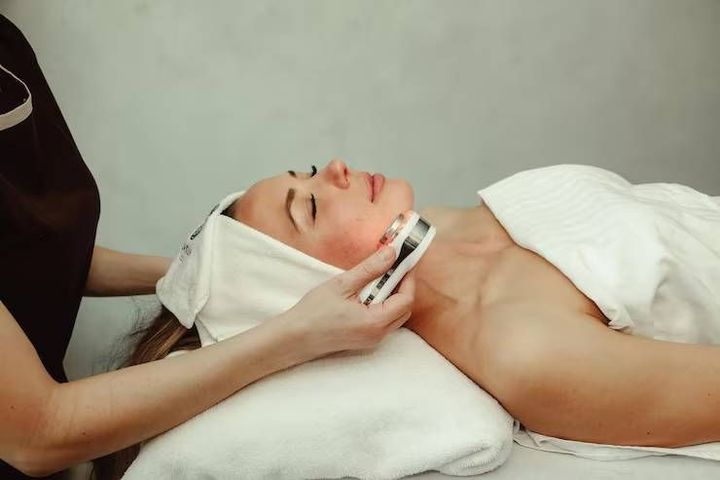
Radiofrequency skin rejuvenation uses controlled electrical energy to generate heat within targeted skin tissues. The technology is designed to influence collagen structures and may help address mild skin laxity and texture concerns.
Some devices combine radiofrequency energy with microneedling. These systems deliver energy through small needles at selected depths. Treatment intensity and suitability vary according to the device and individual skin condition.
Microneedling Technology
Microneedling involves creating controlled microscopic openings in the skin using specialised equipment. The procedure stimulates the body's natural wound-healing response, which is associated with collagen production.
It is commonly discussed for concerns involving acne scars, uneven texture, and fine lines. Professional microneedling differs from home-use rollers because equipment depth, hygiene, and treatment methods require careful control.
LED Light Therapy
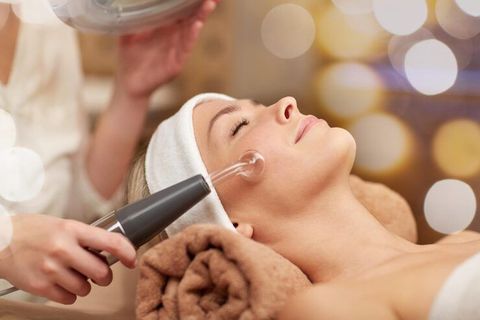
LED light therapy uses specific wavelengths of light for cosmetic and dermatological applications.
Different light wavelengths are associated with different treatment purposes:
Red light: Commonly used in treatments targeting visible signs of ageing and skin appearance.
Blue light: Used in certain acne-related skincare approaches.
Near-infrared light: Used in some devices designed to target deeper tissue responses.
Results vary according to the device, wavelength, exposure settings, and treatment schedule.
Modern Chemical Peels
Chemical peels use selected chemical formulations to exfoliate the outer skin layers. Their strength ranges from superficial to deeper treatments.
They may be considered for uneven pigmentation, dull appearance, mild acne-related marks, and rough skin texture. The depth of the peel influences recovery time and the possibility of irritation or pigmentation changes.
Comparison of Modern Skin Rejuvenation Treatments
Treatment | Main purpose | General recovery considerations |
|---|---|---|
Laser resurfacing | Texture, wrinkles, pigmentation | Depends on laser intensity |
Microneedling | Acne scars and uneven texture | Temporary redness and sensitivity |
Radiofrequency | Skin firmness and texture | Mild swelling or redness may occur |
LED light therapy | Selected skin appearance concerns | Usually minimal visible downtime |
Chemical peels | Exfoliation and uneven tone | Peeling and irritation may occur |
Microdermabrasion | Surface exfoliation | Usually limited recovery time |
No single treatment addresses every skin concern. The technology, treatment depth, skin characteristics, and individual response influence the overall outcome.
Laws or Policies
Skin rejuvenation procedures are influenced by healthcare regulations, cosmetic product requirements, professional licensing rules, and advertising standards. These rules differ between countries and may depend on whether a procedure is considered cosmetic, medical, or minimally invasive.
In India, the regulation of cosmetic products and medical procedures involves different regulatory frameworks. The Central Drugs Standard Control Organisation (CDSCO) oversees relevant medical device and cosmetic regulatory matters under applicable legislation. State-level health authorities and professional regulatory bodies also have roles in healthcare oversight.
Professional Qualifications and Treatment Safety
Procedures involving lasers, microneedling, chemical peels, and other medical technologies require appropriate knowledge of skin anatomy and device operation.
Important safety considerations include:
Treatment should be performed by appropriately qualified professionals within their permitted scope of practice.
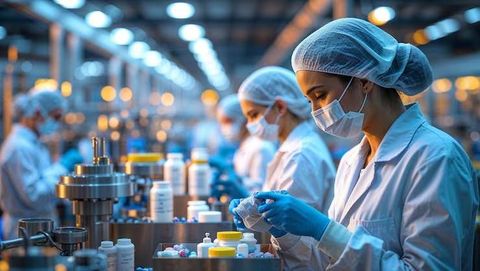
Medical-grade devices should meet applicable regulatory requirements.
Treatment environments should follow appropriate hygiene and infection-control practices.
Patients should receive clear information about possible complications and recovery expectations.
Consent procedures should explain treatment methods, limitations, and potential risks.
Cosmetic Advertising and Consumer Information
Advertising for skin rejuvenation procedures should present accurate and balanced information. Claims involving permanent wrinkle removal, guaranteed results, or universal suitability may create unrealistic expectations.
Google Ads policies also restrict misleading claims and certain forms of personalised health-related advertising. Advertisements should avoid unsupported medical claims, exaggerated outcomes, and language that implies a treatment is suitable for everyone.
Tools and Resources
Understanding skin rejuvenation treatments becomes easier when people have access to reliable educational information and practical skincare resources. Different tools can help explain treatment methods, compare technologies, and support everyday skin care.
Skin Assessment Resources
Skin assessment tools are used to examine characteristics such as pigmentation, hydration, oiliness, texture, and visible signs of ageing.
Some dermatology clinics use digital imaging systems to document skin conditions before and after procedures. These images can help track visible changes, although lighting and camera settings may affect comparisons.
Dermatology Information Platforms
Educational resources from recognised dermatology organisations provide information about cosmetic procedures, skin conditions, and treatment safety.
Useful resources include:
American Academy of Dermatology: Educational information about skin conditions, cosmetic procedures, and skincare practices.
National Health Service: General information about skin health, dermatological conditions, and treatment considerations.
Central Drugs Standard Control Organisation: Regulatory information concerning medical devices and relevant cosmetic products in India.
Skincare Tracking Tools
Skincare tracking applications and digital journals can help people monitor their daily routines and observe changes over time.
Useful tracking categories include:
Daily sunscreen application.
Moisturiser and cleanser usage.
Skin irritation or sensitivity.
Changes in pigmentation and texture.
Recovery progress after dermatological procedures.
These records may help individuals communicate their skincare history during professional consultations.
Aftercare Products and Routine Planning
Aftercare plays an important role following skin rejuvenation procedures. The appropriate routine depends on the treatment and the condition of the skin.
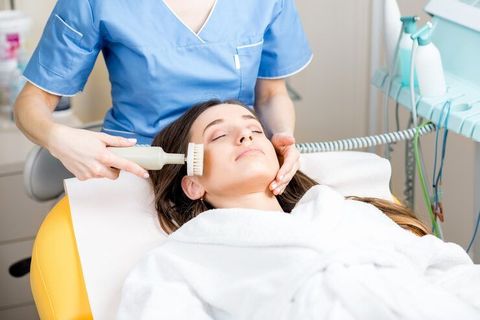
Common aftercare elements include gentle cleansers, moisturisers, broad-spectrum sunscreen, and temporary avoidance of irritating skincare ingredients when advised by a professional.
FAQs
What Are Skin Rejuvenation Treatments?
Skin rejuvenation treatments are cosmetic and dermatological procedures designed to improve skin texture, pigmentation, fine lines, and visible signs of ageing. Common approaches include laser resurfacing, microneedling, chemical peels, and LED light therapy.
How Long Does Skin Rejuvenation Take to Show Results?
The time required varies according to the treatment method and individual skin response. Some procedures produce temporary visible changes shortly after recovery, while treatments that stimulate collagen development may require several weeks or multiple sessions.
Is Laser Skin Rejuvenation Suitable for Every Skin Type?
No. Different laser technologies interact with skin pigmentation in different ways. Some skin types have a higher risk of post-inflammatory hyperpigmentation following certain laser procedures, making professional assessment important.
What Aftercare Is Needed Following Skin Rejuvenation?
Aftercare commonly involves gentle cleansing, appropriate moisturising, sun protection, and avoiding unnecessary skin irritation. More intensive treatments may require specific recovery instructions and temporary restrictions on certain skincare ingredients.
Are Microneedling and Chemical Peels Different?
Yes. Microneedling creates controlled microscopic openings in the skin to stimulate a healing response. Chemical peels use selected formulations to exfoliate skin layers. Both approaches address certain texture and pigmentation concerns, but their techniques and recovery requirements differ.
Conclusion
Skin rejuvenation treatments combine traditional skincare approaches with modern technologies such as lasers, radiofrequency, microneedling, and LED light therapy. Each method addresses different skin concerns and involves specific treatment considerations. Professional assessment, appropriate aftercare, and sun protection are important parts of understanding these procedures. Treatment suitability and outcomes vary according to skin characteristics, technology, and individual responses.