Rapid Skin Purification Therapy Guide With Treatment Methods and Skin Health Insights
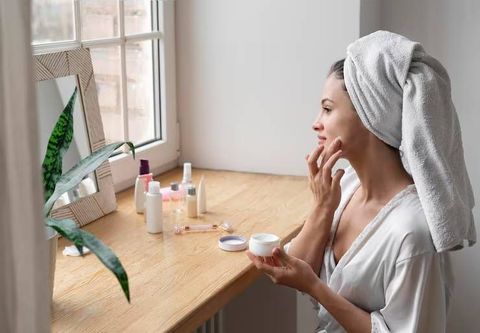
Rapid Skin Purification Therapy refers to a group of skincare approaches designed to remove surface impurities, manage excess oil, clear accumulated debris, and support healthier-looking skin.
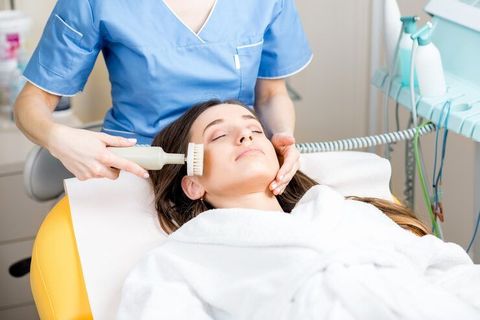
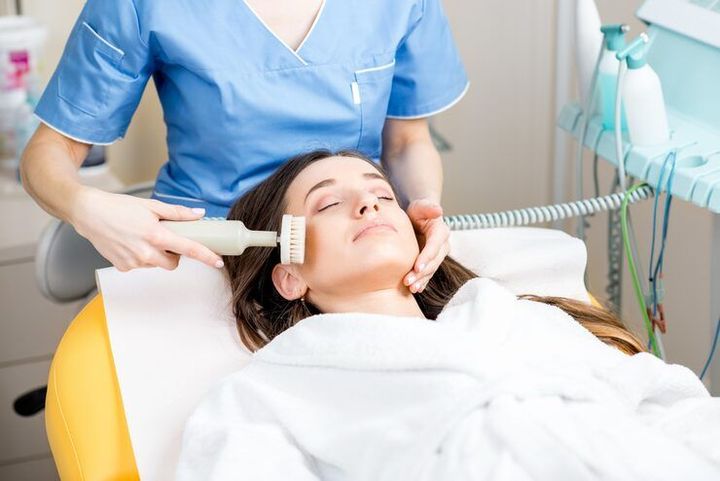
These approaches may include professional facial cleansing, gentle exfoliation, hydration treatments, and other non-invasive skin procedures. The exact methods depend on individual skin conditions, treatment goals, and professional assessment.
The concept of skin purification comes from traditional cleansing practices that focused on maintaining skin cleanliness and appearance. Modern dermatology has expanded these practices through improved cleansing formulations, skin analysis techniques, and controlled treatment technologies. Today, skin purification combines everyday skincare habits with selected professional procedures.
Skin naturally produces oil, sheds dead cells, and interacts with environmental particles throughout the day. When these materials accumulate on the skin surface, they may contribute to clogged pores, uneven texture, and visible dullness. Rapid Skin Purification Therapy focuses on addressing these concerns through suitable cleansing and skin maintenance methods.
However, skin purification does not mean removing every natural substance from the skin. The skin barrier contains protective oils and moisture that help maintain its normal function. Effective treatment methods aim to support this barrier rather than repeatedly stripping the skin.
Understanding the Main Treatment Approaches
Rapid Skin Purification Therapy can involve several methods depending on the condition being addressed.
Deep cleansing: Removes surface impurities, makeup residue, and accumulated oil using suitable cleansing products.
Gentle exfoliation: Helps remove dead skin cells and improve the appearance of uneven surface texture.
Hydration treatment: Supports moisture balance and helps maintain a comfortable skin barrier.
Professional extraction: Addresses selected clogged pores through controlled techniques performed by trained professionals.
Skin assessment: Identifies visible concerns and helps determine suitable treatment methods.
These approaches are not identical, and not every individual requires all of them. Treatment selection should consider skin sensitivity, existing conditions, and personal skincare history.
Importance
Skin health plays an important role in everyday comfort, appearance, and protection. The skin acts as a physical barrier against environmental factors, while its natural oil and moisture balance contribute to normal functioning. Maintaining this balance requires appropriate cleansing, hydration, and protection.
Rapid Skin Purification Therapy attracts attention because people experience different skin-related concerns, including excessive oiliness, clogged pores, rough texture, and surface buildup. These concerns can affect teenagers and adults, although their causes and suitable management methods may differ.
Common Skin Concerns
Several everyday conditions may influence the need for a structured skin purification routine.
Excess oil production: Sebum is naturally produced by the skin, but excessive amounts can contribute to a greasy appearance and clogged pores.
Clogged pores: Dead skin cells and oil may accumulate within hair follicles, creating blackheads and whiteheads.
Uneven texture: Accumulated dead skin cells and certain skin conditions can make the surface appear rough.
Environmental exposure: Dust, pollution, sweat, and cosmetic residue can accumulate on the skin.
Dehydration: Insufficient moisture can contribute to tightness, discomfort, and a dry appearance.
Skin sensitivity: Some individuals experience irritation when exposed to unsuitable cleansing ingredients or aggressive exfoliation.
Who May Consider Skin Purification?
People with oily, combination, or congested skin may explore different cleansing approaches. Individuals experiencing occasional dullness or surface buildup may also benefit from reviewing their skincare habits.
However, persistent acne, painful inflammation, unexplained rashes, and recurring irritation require appropriate medical evaluation. Cosmetic purification procedures are not substitutes for dermatological treatment.
Benefits and Limitations
Suitable cleansing and hydration methods can support skin comfort and improve its visible appearance. Gentle exfoliation may also help reduce surface roughness when used appropriately.
Nevertheless, rapid skin purification cannot permanently change natural oil production, eliminate every skin concern, or prevent all future breakouts. Results depend on the individual's skin condition, treatment method, and ongoing skincare routine.
Recent Updates
Between 2024 and 2026, skincare developments have increasingly focused on skin barrier protection, personalized treatment planning, and improved skin assessment methods. Rather than relying entirely on intensive cleansing, modern approaches increasingly consider the relationship between skin sensitivity, hydration, and environmental exposure.
Greater Attention to Skin Barrier Health
The skin barrier has become an important consideration in everyday skincare discussions. Excessive exfoliation, harsh cleansing, and frequent use of multiple active ingredients can weaken the protective outer layer.
Modern skin purification approaches increasingly emphasize gentle cleansing and appropriate hydration. Maintaining the natural moisture barrier is considered an important part of managing skin comfort.
Personalized Skin Assessment
Digital skin analysis tools have become more visible in dermatology and cosmetic skincare environments. Some systems use cameras and image-processing technology to examine visible characteristics such as pore appearance, pigmentation, redness, and surface texture.
These tools can support preliminary assessments, but their results are not equivalent to a medical diagnosis. Lighting, camera quality, and image interpretation can influence the information produced.
Development of Non-Invasive Procedures
Professional skincare environments continue to use controlled techniques such as superficial exfoliation, hydration-focused treatments, and selected energy-based procedures. These methods have different purposes, suitability requirements, and recovery considerations.
The growing emphasis is on selecting procedures according to individual skin needs rather than applying identical treatment methods to everyone.
Current Treatment Trends
| Treatment approach | Main purpose | Important consideration |
|---|---|---|
| Deep cleansing | Remove surface impurities | Avoid excessive cleansing |
| Gentle exfoliation | Improve surface texture | Consider skin sensitivity |
| Hydration therapy | Support moisture balance | Choose suitable formulations |
| Professional extraction | Address selected clogged pores | Requires appropriate technique |
| Digital skin analysis | Examine visible skin characteristics | Not a medical diagnosis |
| Barrier-focused skincare | Maintain protective skin function | Avoid unnecessary irritation |
These developments reflect broader skincare priorities rather than a single new purification technology. Individual assessment remains important when selecting procedures.
Laws or Policies
Skin purification treatments are influenced by cosmetic product regulations, professional practice requirements, advertising standards, and consumer protection policies. The exact rules differ between countries and depend on whether a treatment is classified as cosmetic care or a medical procedure.
Cosmetic Product Regulations
Cleansers, moisturizers, exfoliating products, and other skincare formulations may fall under cosmetic product regulations. Depending on the jurisdiction, manufacturers may need to follow requirements involving ingredient safety, product labeling, manufacturing quality, and permitted product claims.
Products should provide accurate information about their intended use, ingredients, and application instructions. Claims about treating or curing medical conditions may require a different regulatory classification.
Professional Treatment Standards
Procedures involving stronger chemical exfoliation, medical-grade equipment, or skin penetration may be subject to additional professional qualifications and regulatory requirements.
Individuals providing these treatments may need appropriate training, registration, or authorization, depending on local legislation. Hygiene, equipment maintenance, patient assessment, and informed consent are also important considerations.
Advertising and Consumer Protection
Skincare advertising should communicate treatment information accurately. Statements suggesting permanent results, guaranteed skin transformation, or universal suitability can create misleading expectations.
Relevant advertising policies generally emphasize:
Accurate descriptions of treatment procedures.
Evidence-based statements about expected outcomes.
Clear communication of potential risks and limitations.
Appropriate presentation of before-and-after images.
Avoidance of unsupported medical claims.
Protection of personal information collected through skin analysis tools.
Because regulatory frameworks vary internationally, individuals should consult the applicable national health, cosmetics, and consumer protection authorities for specific requirements.
Tools and Resources
Several resources can help individuals understand Rapid Skin Purification Therapy, compare treatment methods, and maintain an organized skincare routine.
Skin Assessment Tools
Digital skin analysis platforms may examine visible skin characteristics through photographs or specialized imaging equipment. They can help identify areas that may require further assessment, although professional interpretation remains important.
Basic skin observation can also help people recognize recurring dryness, excess oil, redness, and changes in skin texture.
Skincare Ingredient Information
Understanding product ingredients helps individuals select formulations that match their skin requirements.
Common ingredient categories include:
Humectants: Ingredients such as hyaluronic acid and glycerin help attract and retain moisture.
Emollients: Help soften the skin and improve its surface feel.
Cleansing agents: Remove accumulated oil, environmental particles, and cosmetic residue.
Exfoliating ingredients: Help loosen dead skin cells from the surface.
Barrier-supporting ingredients: Ceramides are commonly used in formulations designed to support the skin barrier.
Ingredient suitability varies according to concentration, formulation, and individual sensitivity.
Skincare Tracking Resources
A basic skincare record can help identify patterns and monitor changes over time. Useful information includes:
Products used during the routine.
Frequency of cleansing and exfoliation.
Changes in dryness, oiliness, or irritation.
Treatments performed by skincare professionals.
Reactions following the introduction of new products.
Dermatology information platforms and national health authority websites can also provide educational material about skin conditions, cosmetic ingredients, and treatment safety.
Professional Consultation Resources
Dermatologists can evaluate persistent skin concerns and distinguish cosmetic issues from medical conditions. Before undergoing a procedure, individuals can ask about the treatment method, expected recovery period, possible side effects, and suitability for their skin type.
FAQs
What Is Rapid Skin Purification Therapy?
Rapid Skin Purification Therapy is a general term for cleansing, exfoliation, hydration, and selected professional skincare procedures intended to address surface impurities and improve skin appearance. The treatment approach depends on individual skin characteristics.
Which Skin Purification Treatment Is Suitable for Oily Skin?
Suitable approaches may include gentle cleansing, appropriate hydration, and selected exfoliation methods. The choice depends on oil production, pore congestion, and skin sensitivity. Persistent acne requires professional assessment.
How Often Should Deep Skin Cleansing Be Performed?
Routine cleansing is generally performed according to individual skin needs, while professional deep cleansing procedures have different recommended intervals. Excessive cleansing and frequent exfoliation may cause irritation and dryness.
Can Rapid Skin Purification Therapy Improve Clogged Pores?
Some cleansing and exfoliation approaches may help manage surface buildup and selected clogged pores. However, results vary, and persistent blackheads, whiteheads, or acne may require dermatological care.
Are Professional Skin Purification Procedures Safe?
Safety depends on the procedure, equipment, ingredients, professional qualifications, and individual skin condition. Possible reactions include temporary redness, dryness, irritation, and sensitivity. A suitable assessment helps identify potential risks.
Conclusion
Rapid Skin Purification Therapy combines cleansing, exfoliation, hydration, and selected professional procedures to address different skin concerns. Recent skincare developments emphasize personalized assessment and protection of the natural skin barrier. Treatment suitability depends on skin type, individual sensitivity, and the nature of existing concerns. Understanding available methods, safety considerations, and applicable regulations helps establish realistic expectations about skin purification.