LED Light Therapy Devices Basics With Light Therapy Types and Skin Care Applications
LED light therapy devices are increasingly discussed in modern skincare because they use specific wavelengths of light to support different skin-related applications. LED stands for Light Emitting Diode, a technology that produces light within selected wavelength ranges.
Unlike ultraviolet (UV) light, which can damage skin through excessive exposure, LED light therapy generally uses non-UV wavelengths, including red, blue, and near-infrared light.
The technology originally developed through scientific research involving light exposure and biological processes. Over time, researchers and skincare professionals began exploring how different wavelengths interact with skin cells and surrounding tissues. These investigations contributed to the development of LED-based equipment for cosmetic and dermatological applications.
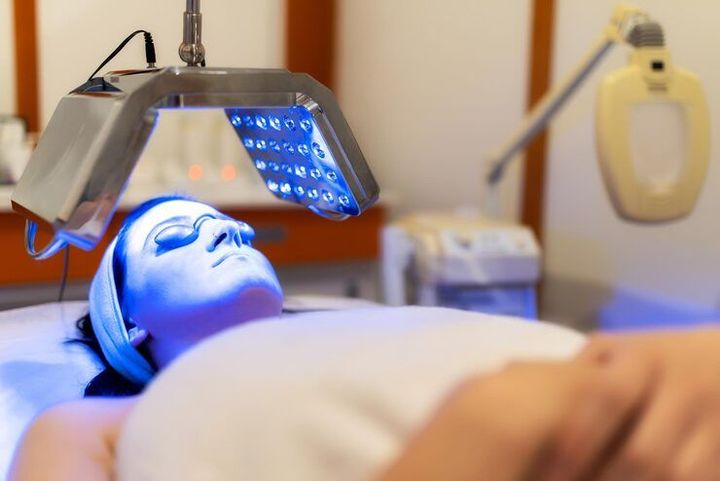
Today, LED light therapy devices are available in several designs, including facial masks, handheld units, tabletop panels, and professional treatment systems. Each design has different operating characteristics, coverage areas, and intended applications. Understanding these differences helps readers identify how light therapy works and why particular wavelengths are used in skincare.
How LED Light Therapy Works
LED light therapy uses light energy that reaches different layers of the skin depending on its wavelength. Certain wavelengths are absorbed by biological molecules, potentially influencing cellular activities and natural skin processes.
This interaction is commonly discussed in connection with photobiomodulation, a process involving light exposure and cellular responses. However, results depend on several factors, including wavelength, exposure duration, device intensity, and individual skin characteristics.
Unlike laser treatments, most LED skincare devices produce non-coherent light over a broader treatment area. They are generally designed for controlled exposure rather than concentrated energy delivery.
Main Components of LED Devices
An LED light therapy system usually contains several important components:
LED light sources: Produce specific wavelengths for different applications.
Control panel: Allows users to select treatment modes and operating settings.
Protective housing: Holds the electronic components and provides structural support.
Power system: Supplies electricity through a rechargeable battery or external connection.
Safety features: May include automatic timers, protective eyewear instructions, and temperature controls.
These components influence how a device operates and how consistently it delivers light during a session.
Importance
LED light therapy devices matter because skincare concerns vary considerably between individuals. People may experience occasional breakouts, visible signs of ageing, uneven skin appearance, or changes in skin texture. Different light wavelengths are being studied for their potential role in addressing selected cosmetic and dermatological concerns.
The technology also provides an alternative to certain conventional skincare approaches that involve topical products or more intensive procedures. Its non-invasive nature makes it an area of continuing interest in dermatology and personal skincare.
Who Uses LED Light Therapy?
LED technology is used in several settings, depending on the equipment and its intended purpose.
General skincare users: Individuals interested in understanding light-based facial care.
Dermatology professionals: Practitioners who use suitable light-based equipment for selected skin concerns.
Cosmetic clinics: Facilities that incorporate LED systems into certain skincare procedures.
Research institutions: Organizations investigating how different wavelengths interact with biological tissues.
The intended user and treatment environment are important because consumer devices and professional equipment may differ in intensity, coverage, and operating instructions.
Common Skin Concerns and Applications
Different LED wavelengths are associated with different research areas.
Red light is commonly investigated for its relationship with collagen-related processes and the appearance of fine lines. Blue light is primarily studied for its interaction with certain acne-associated bacteria. Near-infrared light is researched for its deeper tissue penetration and potential effects on cellular activity.
LED light therapy is not a universal solution for every skin condition. Its effectiveness can vary, and some concerns require medical assessment rather than cosmetic equipment.
Benefits and Practical Limitations
Some characteristics contribute to the growing interest in LED skincare devices:
Non-invasive application without intentionally breaking the skin.
Different wavelength options for selected applications.
Availability in handheld, wearable, and panel-based formats.
Adjustable exposure settings on certain models.
Compatibility with structured skincare routines when appropriately used.
However, there are limitations. Results may be gradual, inconsistent, or difficult to measure. Incorrect exposure, unsuitable equipment, or failure to follow safety instructions can also create problems.
Recent Updates
Recent developments in LED light therapy during 2024–2026 reflect broader interest in home skincare technology, wearable treatment equipment, and research into photobiomodulation. Manufacturers continue to develop smaller devices with different wavelength combinations and more convenient control systems.
Another noticeable development is the integration of LED technology into facial masks and flexible wearable equipment. These products are designed to distribute light across larger facial areas while allowing users to follow defined treatment sessions.
Developments in LED Technology
Several developments are shaping the current equipment landscape:
Multi-wavelength systems: Some devices combine red, blue, and near-infrared light within one unit.
Wearable facial masks: Flexible designs provide coverage across several facial areas.
Digital controls: Electronic timers and selectable treatment modes support consistent operation.
Improved LED arrangements: Changes in diode placement aim to distribute light more evenly.
Compact equipment: Smaller handheld systems are designed for targeted application.
These developments do not automatically indicate improved clinical effectiveness. Device specifications and supporting evidence remain important when comparing different systems.
Growing Interest in Photobiomodulation
Photobiomodulation continues to receive research attention because light exposure may influence certain cellular processes. Researchers are examining wavelength selection, exposure parameters, tissue responses, and possible applications in dermatology and other healthcare fields.
However, findings from laboratory research cannot automatically be applied to every consumer device. Differences in equipment output and treatment protocols make it important to evaluate clinical evidence for the specific application being discussed.
Laws or Policies
LED light therapy devices are influenced by medical device regulations, electrical safety requirements, product labelling rules, and advertising standards. The exact requirements depend on the country, the intended purpose of the equipment, and the claims made by its manufacturer.
A device intended for general cosmetic illumination may be regulated differently from equipment designed or marketed to treat a medical condition. Regulatory authorities may examine its design, safety information, manufacturing quality, and supporting clinical evidence.
Medical Device Classification
Many regulatory systems classify medical devices according to their intended use and potential risks. Equipment making medical treatment claims may need additional assessment, registration, authorization, or conformity procedures.
Important regulatory considerations include:
Intended purpose: Whether the equipment is designed for cosmetic use or a medical application.
Safety testing: Whether electrical, optical, and thermal risks have been assessed.
Product documentation: Whether operating instructions and warnings are clearly presented.
Manufacturing controls: Whether appropriate quality management procedures are followed.
Clinical evidence: Whether medical claims are supported by relevant research.
Regulatory clearance or authorization should not be interpreted as proof that every advertised benefit applies to every user.
Consumer Protection and Advertising Rules
Advertising standards generally require health-related statements to be accurate, understandable, and supported by suitable evidence. Claims about treating acne, reducing wrinkles, or improving skin conditions should not exaggerate scientific findings.
Product descriptions should also explain relevant limitations and avoid implying that LED equipment replaces medical diagnosis or prescribed treatment. Consumers should be able to distinguish between established applications, developing research, and unverified statements.
Tools and Resources
Several resources can help readers understand LED light therapy devices, compare technical specifications, and examine available scientific information. These resources are useful for learning about wavelengths, device operation, and safety considerations.
Device Comparison Tools
A structured comparison table can help organize important equipment specifications.
| Device Type | Main Light Options | Common Application |
|---|---|---|
| LED facial mask | Red, blue, near-infrared | Facial skincare |
| Handheld LED unit | Red or blue | Targeted facial areas |
| LED panel system | Red and near-infrared | Larger treatment areas |
| Multi-mode LED device | Multiple wavelengths | Different skincare applications |
| Professional LED system | Varies by model | Supervised cosmetic or clinical procedures |
The specifications should always be checked against the manufacturer's documentation because wavelength combinations and operating characteristics differ between models.
Important Technical Specifications
Readers can examine several technical measurements when learning about LED equipment:
Wavelength: Measured in nanometres (nm), indicating the colour and spectral range of the emitted light.
Irradiance: Measures the optical power reaching a particular surface area.
Exposure duration: Describes how long the light is applied during a session.
Treatment distance: Indicates the recommended distance between the device and the skin.
Coverage area: Describes the portion of the skin illuminated during operation.
These measurements provide a clearer understanding of device operation than product descriptions based only on appearance or the number of LEDs.
Scientific and Safety Resources
Scientific publications, dermatology education materials, medical device databases, and manufacturer instruction manuals can provide additional information.
Useful research topics include photobiomodulation, red light therapy, blue light therapy, skin barrier function, and LED device safety. Readers can also examine product documentation for information about contraindications, protective eyewear, cleaning procedures, and recommended exposure settings.
People with light sensitivity, relevant eye conditions, or medications that increase sensitivity to light should seek appropriate medical guidance before using an LED device. Persistent or worsening skin concerns also require professional assessment.
FAQs
What Are LED Light Therapy Devices Used For?
LED light therapy devices are used for selected skincare applications, including research-supported approaches involving acne-related concerns and visible signs of skin ageing. Their applications depend on wavelength, equipment specifications, and individual circumstances.
What Is the Difference Between Red and Blue LED Light Therapy?
Red LED light is commonly studied for its relationship with collagen-related processes and skin appearance. Blue LED light is primarily investigated for its interaction with certain acne-associated bacteria. Both use different wavelength ranges and have different intended applications.
Are LED Facial Masks Suitable for Everyday Skincare?
LED facial masks are designed for particular exposure schedules, which vary by device. Users should follow the manufacturer's instructions rather than assuming that longer or more frequent exposure produces better results.
How Long Does LED Light Therapy Take to Show Results?
The time required to observe changes varies according to the device, treatment schedule, skin concern, and individual response. Some applications require consistent use over several weeks, while results may remain limited or vary between individuals.
Are LED Light Therapy Devices Safe for All Skin Types?
LED devices are generally designed for non-invasive use, but they are not suitable for everyone. Light sensitivity, eye-related concerns, certain medications, and individual medical conditions may affect suitability. Following safety instructions and seeking medical guidance when appropriate are important considerations.
Conclusion
LED light therapy devices use selected wavelengths of light for different skincare and research applications. Red, blue, and near-infrared light have distinct characteristics, making wavelength selection an important part of understanding the technology. Developments in wearable equipment, digital controls, and multi-wavelength systems continue to shape the sector. Device safety, scientific evidence, and regulatory requirements remain important considerations when evaluating LED-based skincare technology.