Explore Joint Replacement Surgery With Knee, Hip, and Shoulder Treatment Information
Joint replacement surgery is a medical procedure in which a damaged joint is replaced, either partly or completely, with an artificial implant. These implants are commonly made from materials such as metal, ceramic, and medical-grade plastic.
The procedure is intended to reduce pain, improve joint movement, and help people manage everyday activities when damage significantly affects their mobility.
The knee, hip, and shoulder are among the joints that may require replacement. Joint damage can develop because of osteoarthritis, rheumatoid arthritis, previous injuries, fractures, or other conditions that affect cartilage and bone. When the protective cartilage wears away, the surfaces of the joint may rub against each other, resulting in pain, stiffness, swelling, and reduced movement.
Understanding the Main Types of Joint Replacement
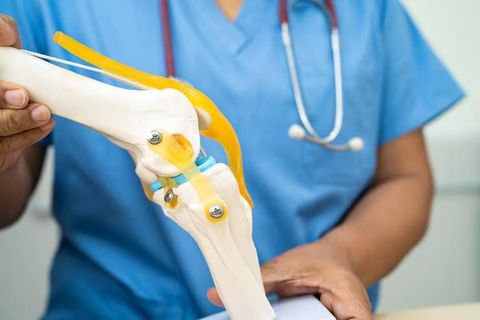
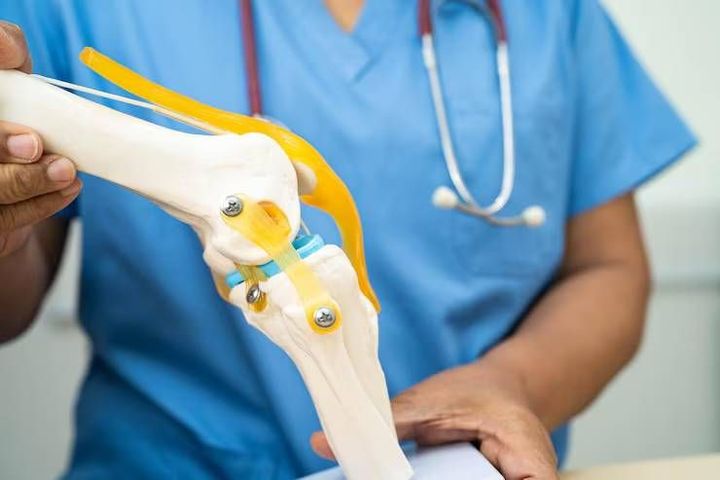
Knee replacement surgery involves replacing damaged joint surfaces with artificial components that help the knee bend and support body weight. Depending on the extent of damage, a surgeon may recommend partial knee replacement or total knee replacement.
Hip replacement surgery replaces damaged portions of the hip joint, which connects the thigh bone to the pelvis. Shoulder replacement surgery addresses damage in the joint connecting the upper arm bone and shoulder blade, particularly when pain and restricted movement interfere with routine activities.
Why Joint Replacement May Be Considered
Joint replacement is generally considered when symptoms remain difficult to manage despite other treatments. These may include physical therapy, activity adjustments, walking aids, or medication selected according to an individual's medical circumstances.
The decision depends on several factors, including the extent of joint damage, the severity of symptoms, overall health, daily activity requirements, and the expected benefits and risks of surgery. Imaging examinations and physical assessments help healthcare professionals understand the condition of the joint.
Importance
Joint health affects walking, standing, dressing, lifting objects, sleeping, and participating in social activities. Persistent joint pain can gradually limit independence and make ordinary tasks more difficult. For some people, joint replacement provides a way to address severe structural damage when nonsurgical approaches no longer provide sufficient relief.
Who May Be Affected?
Joint replacement is frequently considered by older adults because joint degeneration becomes more common with age. However, younger adults may also develop severe joint problems following injuries, inflammatory diseases, congenital conditions, or other causes of cartilage and bone damage.
People with different health backgrounds may have different surgical risks and recovery requirements. Conditions affecting circulation, bone strength, blood sugar regulation, or the immune system may influence surgical planning and healing.
Common Problems Addressed by Surgery
The main problems associated with advanced joint damage include:
Persistent pain: Discomfort during movement or rest can interfere with daily routines.
Restricted mobility: Stiffness may make walking, climbing stairs, reaching overhead, or getting dressed difficult.
Reduced independence: Everyday activities may require assistance when joint function deteriorates.
Sleep disruption: Painful joints can make it difficult to find a comfortable sleeping position.
Reduced participation: Limited movement may affect exercise, recreation, household tasks, and social activities.
Comparing Knee, Hip, and Shoulder Replacement
Although these procedures share the goal of improving joint function, they address different movement patterns and physical demands.
Feature | Knee replacement | Hip replacement | Shoulder replacement |
|---|---|---|---|
Main purpose | Reduce knee pain and improve bending | Reduce hip pain and improve walking | Reduce shoulder pain and improve arm movement |
Common conditions | Osteoarthritis and joint damage | Osteoarthritis, fractures, and other joint disorders | Osteoarthritis, severe joint damage, and certain fractures |
Everyday activities affected | Walking, standing, and stair climbing | Walking, sitting, and putting on footwear | Dressing, grooming, and reaching |
Rehabilitation focus | Knee movement, strength, and walking | Safe movement, strength, and walking | Arm movement, shoulder control, and strength |
Recovery considerations | Balance, mobility, and muscle strengthening | Walking ability and safe hip movement | Protection of healing tissues and gradual arm movement |
The actual treatment plan varies according to the type of implant, surgical technique, individual health, and rehabilitation progress. Not everyone experiences the same degree of improvement or follows the same recovery timeline.
Recent Updates
Joint replacement treatment continues to develop through improvements in surgical planning, implant design, imaging, and rehabilitation. Recent developments through 2024–2026 reflect a broader emphasis on matching procedures to individual anatomy, improving surgical precision, and supporting recovery through coordinated care.
Advances in Surgical Planning and Technology
Computer-assisted surgery, robotic-assisted systems, and three-dimensional imaging can help surgeons plan procedures and assess implant positioning. Depending on the system and procedure, these technologies may support more precise measurements or provide additional information during surgery.
However, technology does not eliminate surgical risks or guarantee better results for every patient. Its usefulness depends on the patient's condition, the procedure being performed, and the clinical team's experience.
Developments in Implant Materials
Implant manufacturers continue to refine materials and component designs to address wear, durability, stability, and compatibility with the body's tissues. Knee and hip implants commonly use combinations of metal, ceramic, and specialized plastic, while shoulder implants have designs suited to different patterns of joint damage.
Implant selection depends on factors such as bone quality, activity level, anatomy, and the condition of surrounding muscles and ligaments. An implant's expected lifespan varies, and some patients may eventually require revision surgery.
Changes in Recovery and Rehabilitation
Recovery planning increasingly emphasizes early, supervised movement when medically appropriate, structured physical therapy, and preparation before surgery. Patients may receive instructions about exercises, mobility aids, home safety, and the gradual return to everyday activities.
Some care pathways also use coordinated discharge planning and remote follow-up tools. These approaches can support communication and progress monitoring, but suitability depends on the patient's needs and the healthcare setting.
Laws or Policies
Joint replacement surgery is affected by healthcare regulations, professional standards, patient consent requirements, medical-device oversight, and rules governing hospital care. The precise requirements vary by country, so there is no single worldwide policy that applies to every procedure.
Medical Device and Hospital Standards
Artificial joint implants are subject to regulatory requirements that differ across healthcare systems. Authorities may assess medical devices for safety, quality, performance, and appropriate labeling before or during their authorized use.
Hospitals and surgical facilities may also be required to follow standards for infection prevention, sterilization, anesthesia, patient monitoring, and postoperative care. Patients should receive understandable information about the proposed procedure, its expected benefits, available alternatives, and potential complications.
Patient Rights and Healthcare Coverage
In many healthcare systems, informed consent is an important part of surgical treatment. Patients should have an opportunity to discuss their medical history, ask questions, and understand relevant risks before agreeing to surgery.
Public healthcare programs, private insurance plans, and other coverage arrangements may apply different eligibility criteria, documentation requirements, and reimbursement rules. Coverage can depend on medical necessity, approved facilities, policy terms, and the specific procedure.
Important Safety Considerations
Potential complications include infection, blood clots, bleeding, nerve or blood vessel injury, implant loosening, dislocation in certain procedures, and persistent pain. Additional surgery may occasionally be necessary.
Preoperative assessment helps identify individual risks and determine whether further evaluation or changes to the treatment plan are needed. Recovery instructions and follow-up appointments are important parts of postoperative care.
Tools and Resources
Reliable educational resources can help people understand joint replacement procedures, prepare questions for consultations, and organize recovery information. These resources supplement, rather than replace, an individualized medical assessment.
Medical Assessment and Planning Tools
Several types of tools may be useful when exploring knee, hip, or shoulder replacement:
Joint anatomy diagrams: Explain how bones, cartilage, ligaments, and muscles contribute to joint movement.
Imaging reports: X-rays and other appropriate imaging examinations help clinicians assess structural damage.
Joint function questionnaires: Record pain levels, stiffness, and difficulties with everyday activities.
Surgical preparation checklists: Organize medication information, medical history, home arrangements, and questions for the surgical team.
Rehabilitation trackers: Record prescribed exercises, walking progress, movement limitations, and follow-up appointments.
Educational Platforms and Patient Resources
Professional orthopedic associations, hospital patient-education departments, and public health organizations often publish explanations of joint replacement surgery and rehabilitation. Their materials may cover surgical preparation, implant types, recovery expectations, and possible complications.
Online recovery calculators and patient-reported outcome questionnaires may help organize information, but their estimates should not be interpreted as personalized predictions. Recovery depends on multiple medical and practical factors that digital tools cannot fully evaluate.
Preparing for a Medical Consultation
Useful questions include:
What is causing the joint damage, and how advanced is it?
Are nonsurgical treatments still appropriate?
Which replacement procedure, if any, fits the joint condition?
What complications and restrictions should be understood before surgery?
How long might rehabilitation take, and what assistance may be needed at home?
These discussions help establish realistic expectations and clarify the responsibilities involved before and after surgery.
FAQs
What Is the Difference Between Knee and Hip Replacement Surgery?
Knee replacement addresses damaged surfaces in the knee joint, while hip replacement treats damage in the joint connecting the thigh bone and pelvis. Both procedures aim to reduce pain and improve function, but their surgical techniques and rehabilitation requirements differ.
When Is Shoulder Replacement Surgery Considered?
Shoulder replacement may be considered when severe joint damage causes persistent pain and restricted arm movement. The decision depends on the underlying condition, the state of the joint and surrounding tissues, and the results of previous treatment.
How Long Does Joint Replacement Recovery Take?
Recovery varies by procedure and individual circumstances. Many patients need several weeks to regain essential mobility, while strength, flexibility, and confidence may continue improving over several months. The treating team provides guidance based on the procedure and recovery progress.
What Are the Risks of Knee, Hip, and Shoulder Replacement?
Potential risks include infection, bleeding, blood clots, stiffness, persistent pain, and implant-related problems. Some complications may require additional treatment or revision surgery. Individual risk depends on overall health, the procedure, and other clinical factors.
Can Joint Replacement Be Avoided With Nonsurgical Treatment?
Some people manage joint symptoms through physical therapy, suitable activity changes, walking aids, or clinician-directed medication. These approaches may help reduce symptoms, but they cannot restore cartilage that has been completely lost. Whether surgery is appropriate depends on the severity of damage and its effect on daily life.
Conclusion
Joint replacement surgery can address severe damage affecting the knee, hip, and shoulder when pain and restricted movement substantially interfere with daily activities. Treatment decisions depend on joint condition, general health, available alternatives, and individual goals. Advances in surgical planning, implant design, and rehabilitation continue to influence how these procedures are performed and managed. Understanding the potential benefits, risks, recovery requirements, and applicable healthcare policies provides a foundation for informed discussions with qualified medical professionals.