Explore Advanced Melasma Reduction With Skin Care Methods and Treatment Details
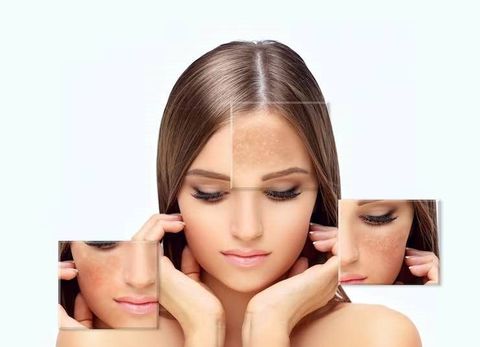
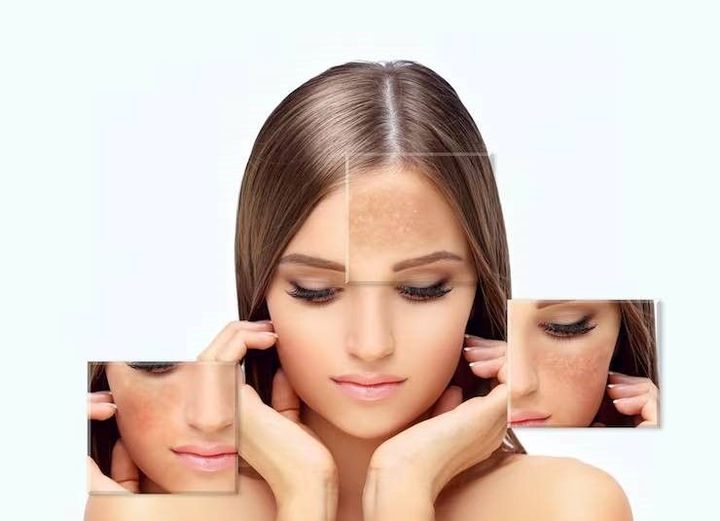
Melasma is a common skin pigmentation condition that causes brown, gray-brown, or darker patches to appear on the face. It often develops on the cheeks, forehead, upper lip, nose, and chin.
The condition occurs when melanocytes, the cells responsible for producing melanin, create excess pigment in certain areas of the skin.
Advanced melasma reduction focuses on understanding pigmentation, improving daily skin care, reducing environmental triggers, and evaluating appropriate dermatological treatments. The condition is not contagious, and it does not usually cause physical discomfort. However, its visible appearance can make people concerned about uneven skin tone and changes in facial appearance.
What Causes Melasma?
Melasma can develop through a combination of biological and environmental factors. Sunlight is a major trigger because ultraviolet radiation stimulates melanin production. Visible light can also contribute to pigmentation, particularly in people with darker skin tones.
Other contributing factors include hormonal changes, genetic susceptibility, pregnancy, and certain medications that influence pigmentation. Heat and repeated skin irritation may worsen discoloration in some individuals.
Melasma differs from temporary tanning because its pigmentation may persist even after exposure to sunlight decreases. It can also return after periods of improvement, making long-term skin care important.
Understanding Advanced Melasma Reduction
Advanced melasma reduction involves several complementary approaches rather than relying on one procedure or product. These approaches may include pigment-targeting skin care ingredients, consistent sun protection, professional skin assessments, and selected dermatological procedures.
Treatment planning depends on pigmentation depth, skin sensitivity, medical history, and previous responses to treatment. Epidermal melasma affects the outer skin layer, while dermal melasma involves deeper pigment deposits. Some individuals have a mixed form, which may require a different management approach.
Importance
Melasma matters because it can persist for months or years and may become more noticeable after sun exposure or hormonal changes. Although it is generally harmless, its appearance can affect confidence and everyday comfort. Understanding its causes helps distinguish appropriate pigmentation management from harsh practices that may worsen skin irritation.
Who Is Affected by Melasma?
Melasma can affect people of different ages and backgrounds, although it is more common among adults and people with naturally darker skin tones. It frequently occurs in individuals whose skin responds strongly to sunlight by producing additional pigment.
People who experience hormonal changes may also notice new or worsening patches. A family history of melasma can increase susceptibility, although not everyone with a genetic predisposition develops the condition.
Common Challenges in Managing Pigmentation
Several factors can make melasma reduction difficult:
Sun exposure: Everyday exposure through outdoor activities and windows may contribute to persistent pigmentation.
Inconsistent skin care: Irregular sun protection can allow patches to darken again.
Skin irritation: Aggressive exfoliation, abrasive scrubs, and unsuitable products may cause inflammation that leads to additional discoloration.
Incorrect diagnosis: Other conditions, including post-inflammatory hyperpigmentation, can resemble melasma.
Unrealistic expectations: Pigmentation often improves gradually, and complete clearance may not be achievable.
A dermatologist can assess persistent or changing pigmentation and distinguish melasma from other skin conditions. This is particularly important when patches appear suddenly, have unusual characteristics, or do not respond as expected to routine care.
Daily Skin Care Methods
A simple routine can support melasma management by protecting the skin barrier and limiting pigment triggers. Consistency generally matters more than using numerous products.
Morning care may include a gentle cleanser, a moisturizer suited to the skin type, and broad-spectrum sunscreen. Tinted sunscreen containing iron oxides can provide additional protection against visible light, which may be relevant to melasma.
Evening care may involve gentle cleansing and a moisturizer. Pigment-targeting ingredients can be considered according to individual skin tolerance and professional guidance.
Recent Updates
Recent developments in melasma management emphasize combination approaches, better understanding of visible-light exposure, and careful selection of treatments according to skin type. Research continues to explore how pigmentation pathways, inflammation, hormones, and environmental exposure interact.
Developments in Skin Care Ingredients
Several established ingredients are used in pigmentation-focused skin care. Their suitability depends on individual skin sensitivity, formulation, and the cause of discoloration.
Ingredient | General role | Important consideration |
|---|---|---|
Niacinamide | Supports the skin barrier and may help reduce uneven pigmentation | Results depend on formulation and regular use |
Vitamin C | Provides antioxidant activity and may help improve uneven skin tone | Some formulations can irritate sensitive skin |
Azelaic acid | Can help manage certain pigmentation conditions | Suitability depends on skin condition and concentration |
Retinoids | Support skin cell turnover and may help selected pigmentation concerns | Irritation can worsen discoloration |
Iron oxide pigments | Help tinted sunscreens protect against visible light | Coverage depends on the formulation and shade |
Not every ingredient is suitable for every person. Pregnancy, breastfeeding, existing skin conditions, and concurrent treatments can affect ingredient selection.
Dermatological Treatment Approaches
Professional melasma treatment may include prescription topical treatments, carefully selected chemical peels, or certain laser and light-based procedures. These options have different benefits and limitations, and treatment choice depends on the pigmentation pattern and the person's skin characteristics.
Chemical peels use controlled exfoliation to affect the outer skin layers. Laser and light-based treatments target pigment or related skin structures, but they can also trigger inflammation and worsening pigmentation in susceptible individuals.
Recent clinical discussion places greater emphasis on cautious treatment settings, combination management, and recurrence prevention. Procedures are not appropriate for every case, and results vary.
Comparing Common Melasma Management Methods
Approach | Main purpose | General limitation |
|---|---|---|
Daily sun protection | Reduces exposure to pigmentation triggers | Requires consistent application and reapplication |
Gentle skin care | Maintains the skin barrier | Does not necessarily remove established pigmentation |
Targeted topical ingredients | Helps address uneven pigment | May require sustained use and professional guidance |
Chemical peels | Promotes controlled exfoliation | Can cause irritation or post-inflammatory pigmentation |
Laser-based procedures | Targets selected pigment patterns | May worsen melasma in some skin types |
These approaches are not interchangeable. A combined plan may be appropriate, but the safest selection depends on individual assessment.
Laws or Policies
Melasma management is influenced by health regulations, cosmetic product standards, medicine controls, and professional practice requirements. The exact rules depend on the country where a product is manufactured, marketed, or used.
Cosmetic and Skin Care Product Regulations
Many countries distinguish cosmetics from medicines according to their ingredients, intended use, and health-related claims. Cosmetic products are generally intended to cleanse, moisturize, or improve appearance, while products intended to treat medical conditions may fall under additional regulatory requirements.
Manufacturers are expected to follow applicable rules concerning product safety, ingredient restrictions, labeling, and claims. Consumers should be cautious about products with unclear ingredient lists or unsupported promises of rapid pigmentation removal.
Dermatological Procedures and Advertising
Chemical peels, laser treatments, and prescription-based approaches may be subject to professional licensing, clinical practice, and medicine regulations. Requirements differ by jurisdiction, including which practitioners can perform particular procedures.
Health-related advertising should describe treatments accurately and avoid guarantees, misleading before-and-after representations, or claims that imply identical outcomes for everyone. Google Ads policies also restrict certain misleading claims and the promotion of prohibited or improperly represented health products.
Tools and Resources
Reliable educational resources and practical skin care tools can help people understand melasma, compare management approaches, and prepare for discussions with qualified professionals.
Helpful Skin Care Tools
Useful resources include:
Sunscreen labels: Check broad-spectrum protection, the stated sun protection factor, water resistance where relevant, and whether a tinted formulation contains iron oxides.
Skin care diaries: Record product use, irritation, sun exposure, and changes in pigmentation to help identify possible triggers.
Ingredient lists: Review active ingredients and avoid combining multiple irritating products without appropriate guidance.
Clinical photography: Consistent lighting and camera positioning can help document changes over time, although photographs cannot reliably determine pigment depth.
Dermatology assessment tools: A qualified professional may use clinical examination and a Wood's lamp in selected cases to evaluate pigmentation patterns. These methods have limitations, particularly for mixed or deeper melasma.
Evaluating Online Information
Educational materials from recognized dermatology organizations, public health authorities, and established medical institutions can provide background on pigmentation and treatment safety. Product reviews and social media photographs may not represent typical outcomes because lighting, editing, skin type, and concurrent treatments can influence visible results.
A structured comparison of ingredients, possible side effects, expected timelines, and recurrence risks can support informed discussions. No online calculator or skin analysis application can independently establish a definitive diagnosis.
FAQs
What Is Advanced Melasma Reduction?
Advanced melasma reduction refers to a structured approach that combines sun protection, suitable skin care ingredients, and selected professional treatments. Its purpose is to manage excess pigmentation while limiting irritation and recurrence.
Which Skin Care Ingredients Help With Melasma?
Niacinamide, vitamin C, azelaic acid, and certain retinoids may help selected pigmentation concerns. Their effectiveness and suitability vary, so ingredient choice should account for skin sensitivity, medical history, and professional advice.
Can Sunscreen Help Reduce Melasma?
Sunscreen helps limit ultraviolet exposure, an important trigger for melasma. Broad-spectrum protection and tinted formulations containing iron oxides may provide additional protection against visible light, although sunscreen does not guarantee complete prevention or clearance.
Are Laser Treatments Effective for Melasma Reduction?
Laser treatments may improve pigmentation in selected cases, but results vary and recurrence is possible. Some procedures can worsen melasma or cause additional discoloration, particularly when treatment settings are unsuitable.
How Long Does Melasma Treatment Take?
Improvement often develops over several weeks to months, depending on the treatment approach, pigmentation depth, and individual response. Maintenance and continued sun protection may be necessary because melasma can recur.
Conclusion
Melasma is a pigmentation condition influenced by sunlight, hormonal factors, genetics, and individual skin characteristics. Advanced melasma reduction combines consistent sun protection, gentle skin care, suitable topical ingredients, and carefully selected professional treatments. Recent approaches emphasize visible-light protection, individualized treatment planning, and awareness of irritation and recurrence risks. Understanding these factors provides a clearer foundation for evaluating pigmentation management options.