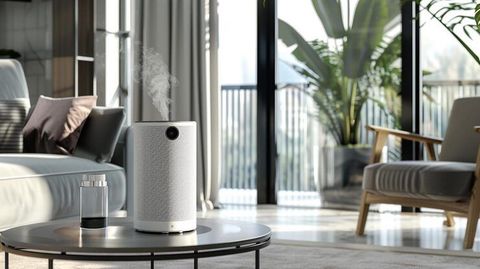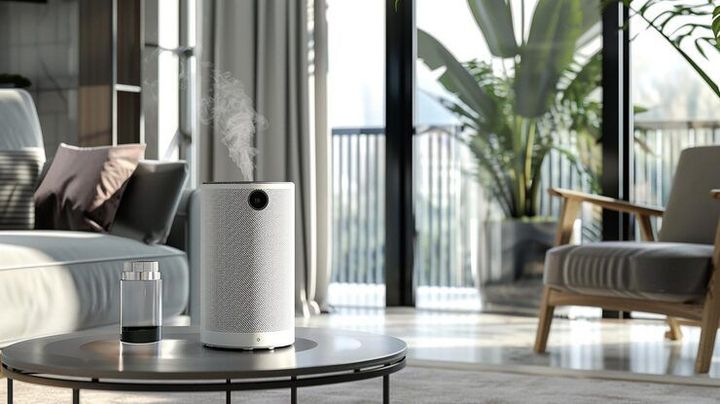
Air Purification System Information With Modern Filtration Technology and Maintenance Tips
An air purification system is a device or integrated installation designed to reduce selected airborne particles, pollutants, odors, and other contaminants in indoor environments.
These systems use different technologies to process air and may be installed in homes, offices, healthcare facilities, schools, laboratories, and industrial buildings.
Air purification developed from the need to manage indoor air quality, particularly in environments where dust, smoke, chemical vapors, and biological particles can accumulate. Modern buildings often use ventilation, air conditioning, filtration, and dedicated purification equipment to manage indoor environmental conditions.
An air purification system does not necessarily remove every pollutant. Its performance depends on the filtration technology, airflow, room size, pollutant characteristics, equipment condition, and installation quality. Understanding these factors helps users distinguish between particle filtration, gas removal, and general ventilation.
Main Types of Air Purification Technology
Different air purification systems address different types of contamination. Selecting an appropriate technology requires understanding which pollutants are present and how the equipment processes air.
HEPA filtration: High-efficiency particulate air filters capture airborne particles, including fine dust, pollen, and many other suspended particles. Actual performance depends on the filter specification and how air passes through the complete unit.
Activated carbon filtration: Porous carbon materials can adsorb certain gases and odors. Performance varies with the carbon quantity, pollutant concentration, humidity, and filter condition.
Electrostatic precipitation: These systems use electrical charges to collect particles on designated surfaces. Some designs can generate ozone, so emissions and equipment specifications require attention.
Ultraviolet germicidal irradiation: UV-C technology can inactivate certain microorganisms when exposure conditions are appropriate. It does not automatically remove particles or gases from the air.
Photocatalytic oxidation: This technology uses light and a catalyst to trigger chemical reactions involving selected contaminants. Its effectiveness and potential by-products depend on the design and operating conditions.
How an Air Purification System Works
Many air purifiers draw indoor air through an intake, pass it through one or more filtration stages, and return the treated air to the room. Some systems combine a pre-filter, a particulate filter, and an activated carbon layer to address different types of pollutants.
The amount of clean air delivered depends on airflow and filtration performance. A useful measurement is the clean air delivery rate (CADR), which indicates how quickly a purifier supplies air cleaned of specified particles under defined testing conditions.
Importance
Why Indoor Air Quality Matters
Indoor air can contain particles from cooking, cleaning, outdoor pollution, construction activities, pets, furnishings, and everyday movement. Inadequate ventilation may also allow some pollutants to accumulate, depending on their sources and the characteristics of the building.
An appropriate air purification system can help reduce certain airborne contaminants. However, it should complement source control and ventilation rather than replace them, particularly when pollutants originate from combustion, dampness, chemical emissions, or inadequate fresh-air circulation.
Who May Benefit From Air Purification
Air purification can be relevant to households, offices, educational institutions, healthcare environments, and workplaces with specific airborne contamination concerns. People sensitive to airborne particles may find particle filtration useful, although the results depend on the pollutant, exposure level, and equipment performance.
Different environments have different requirements. A bedroom may need a relatively quiet unit, while a workshop may require specialized filtration designed for the particular dust or process involved.
Factors That Influence System Performance
Several factors determine whether an air purifier can process a room effectively.
Room size: The unit should have an appropriate clean air delivery rate for the room's volume and intended air-cleaning frequency.
Pollutant type: Particle filters do not necessarily remove gases, while carbon filters do not replace high-efficiency particle filtration.
Airflow: Blocked intakes, unsuitable placement, and restricted outlets can reduce performance.
Filter condition: Dust accumulation and exhausted adsorption capacity can affect how well the system operates.
Ventilation: Introducing suitable outdoor air can help dilute indoor-generated pollutants when outdoor conditions permit.
Recent Updates
Developments in Modern Filtration Technology
During 2024–2026, air purification technology continued to emphasize energy efficiency, filtration performance, quieter operation, and monitoring of indoor environmental conditions. Manufacturers have also incorporated sensors and connected controls into some systems to help users observe particle concentrations and adjust operating settings.
These features can improve operational awareness, but a sensor reading does not represent every aspect of indoor air quality. Many consumer devices primarily measure particulate matter and may not detect carbon monoxide, all volatile organic compounds, or biological contaminants.
Smart Air Quality Monitoring
Some modern systems use particle sensors, automatic fan controls, and mobile applications. These features may adjust airflow when measured particle levels change or provide alerts when filter maintenance is due.
Sensor accuracy, calibration, placement, and the pollutants being measured remain important considerations. A low particle reading does not establish that a room is free of harmful gases or that ventilation is adequate.
Energy Efficiency and Sustainable Operation
Energy consumption is another consideration in modern air purification. Efficient fan motors, appropriate operating settings, and regular maintenance can help reduce unnecessary electricity use while maintaining suitable airflow.
Reusable pre-filters may reduce the frequency of replacing certain filter layers, but they must be cleaned according to the manufacturer's instructions. HEPA filters and activated carbon components should not be washed unless their specifications explicitly permit it.
Comparison of Common Technologies
Technology | Main function | Important limitation |
|---|---|---|
HEPA filtration | Captures airborne particles | Does not generally remove gases |
Activated carbon | Adsorbs certain gases and odors | Capacity varies with pollutant and filter condition |
UV-C treatment | Inactivates susceptible microorganisms under suitable conditions | Does not remove particles or gases |
Electrostatic precipitation | Collects electrically charged particles | Some designs may generate ozone |
Mechanical pre-filter | Captures larger particles | Does not capture all fine particles |
Photocatalytic oxidation | Transforms selected contaminants through chemical reactions | Performance and by-products vary by design |
Laws or Policies
Indoor Air Quality and Equipment Safety
Air purification requirements depend on the country, building type, equipment category, and intended application. In India, relevant considerations can include product safety requirements, applicable standards, workplace regulations, and building ventilation provisions.
The Bureau of Indian Standards (BIS) publishes standards covering various electrical products, filtration-related subjects, and testing methods. Whether a particular air purification system must meet a specific standard or certification depends on its classification and the rules applicable to that product.
Environmental and Public Health Considerations
Indoor air quality is influenced by more than filtration equipment. Building ventilation, pollutant source control, safe handling of chemicals, and appropriate maintenance can all contribute to reducing exposure.
Organizations should evaluate equipment according to the actual hazards in their environments. Industrial processes involving fine dust, fumes, or chemical vapors may require dedicated extraction and engineering controls rather than relying on a portable room purifier.
Ozone and Electrical Safety
Ozone-generating equipment requires particular care because ozone can irritate the respiratory system. Devices marketed for air treatment should be assessed for ozone emissions and their suitability for occupied spaces.
Electrical installation, grounding where applicable, filter replacement, and cleaning should follow the manufacturer's safety instructions. Equipment should not be modified in ways that bypass protective features or expose users to hazardous radiation.
Tools and Resources
Air Purifier Sizing Calculator
A room-sizing calculator can help estimate the airflow required for a particular indoor space. One commonly used calculation is based on room volume and the desired air changes per hour.
For example, a room measuring 5 metres long, 4 metres wide, and 2.5 metres high has a volume of 50 cubic metres. At a target of five air changes per hour, the theoretical airflow requirement would be 250 cubic metres per hour, assuming the stated airflow represents effective clean air delivery under the relevant conditions.
This is a simplified estimate. Actual equipment selection should account for CADR, room layout, operating speed, filter loading, and the intended application.
Indoor Air Quality Monitors
Indoor air quality monitors can measure selected indicators, such as particulate matter, carbon dioxide, temperature, and relative humidity. Some devices also measure particular gases or volatile organic compounds, but their detection capabilities vary.
The measurement should be interpreted according to the sensor specification. Carbon dioxide, for example, can provide useful information about occupancy-related ventilation conditions, but it is not a direct measurement of all indoor pollutants.
Maintenance Checklist
A consistent maintenance routine helps preserve airflow and identify equipment problems.
Inspect the intake and outlet for obstructions.
Check pre-filters at the interval specified by the manufacturer.
Replace HEPA and activated carbon filters according to their condition and instructions.
Clean accessible surfaces with the recommended method.
Check for unusual noise, vibration, or changes in airflow.
Review sensor readings and warning indicators where available.
Record maintenance activities and filter replacement dates.
Choosing Suitable Technical Information
Equipment documentation should state the intended application, filter type, airflow or CADR, noise level, energy consumption, and replacement requirements. Independent test results can help compare models when the testing method and conditions are clearly identified.
For specialized applications, technical guidance from building engineers, industrial hygienists, or qualified indoor air quality professionals may help determine whether filtration alone is appropriate.
FAQs
What is an air purification system used for?
An air purification system reduces selected airborne particles, odors, or gases, depending on its technology. It is commonly used in indoor spaces to help manage air quality alongside appropriate ventilation and pollution source control.
How does HEPA filtration work in an air purification system?
HEPA filtration captures airborne particles as air passes through a specially designed filter medium. Its effectiveness depends on filter specifications, airflow, proper sealing, and the condition of the complete system.
How often should an air purifier filter be replaced?
Replacement intervals depend on the filter type, usage, pollutant levels, and manufacturer instructions. Filters may require earlier replacement in dusty environments or when airflow decreases noticeably.
Can an air purification system remove odors and chemical gases?
Some systems use activated carbon or other specialized media to reduce selected gases and odors. Ordinary particle filters generally do not remove most gases, and no single filter is effective against every chemical contaminant.
Does an air purifier replace ventilation?
No. Air purification and ventilation serve different purposes. A purifier can reduce selected contaminants in circulating air, while suitable ventilation helps introduce outdoor air and dilute certain indoor-generated pollutants.
Conclusion
An air purification system can help manage indoor air quality when its technology matches the pollutants and operating environment. Modern filtration combines particle capture, gas adsorption, specialized treatment methods, and increasingly, electronic monitoring. Effective operation depends on correct sizing, suitable placement, ventilation, and regular maintenance. Understanding equipment specifications, applicable safety requirements, and filter limitations helps users make informed decisions about indoor air management.