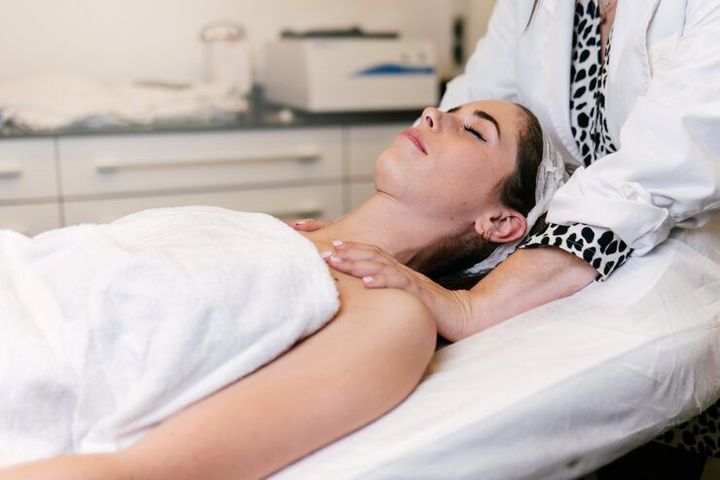
Body Skin Fatigue Therapy Overview With Skin Hydration and Rejuvenation Information
Body skin fatigue therapy refers to a group of wellness and skincare practices intended to address skin that appears dry, dull, rough, or less refreshed. The term is generally descriptive rather than a single standardized medical treatment.
Depending on the provider and setting, it may include body moisturization, gentle exfoliation, massage, hydration-focused skincare, and selected professional skin treatments.
Skin can change in appearance and texture for several reasons, including environmental exposure, aging, frequent washing, inadequate moisturization, and changes in the skin's natural protective barrier. These factors may contribute to tightness, flaking, uneven texture, and a tired appearance. Body skin fatigue therapy focuses on supporting skin comfort, hydration, and surface smoothness through appropriate skincare practices.
The Connection Between Skin Hydration and Rejuvenation
Skin hydration describes the amount of water present in the outer layers of the skin. A healthy skin barrier helps retain moisture and protects against irritants, while insufficient hydration may leave the skin feeling tight or looking flaky. Rejuvenation is a broader term that can describe improvements in skin texture, softness, and visible smoothness.
Several skincare ingredients have specific roles in maintaining hydration. Humectants, such as glycerin and hyaluronic acid, attract or retain water, while emollients soften the skin's surface. Occlusive ingredients, including petrolatum, help reduce water loss by forming a protective layer.
These approaches serve different purposes and may be combined according to skin type and individual needs. However, body skin fatigue therapy does not have one universally accepted definition, and its results depend on the methods used, the person's skin condition, and the consistency of routine care.
Common Methods Used in Body Skin Therapy
Body skincare approaches vary in intensity, from everyday moisturizing routines to procedures performed by trained professionals. Common methods include:
Moisturizing treatments that support the skin barrier and reduce dryness.
Gentle exfoliation that removes some accumulated dead skin cells.
Massage techniques that may temporarily improve comfort and the appearance of skin.
Hydration-focused body masks or wraps that provide temporary softness.
Selected professional procedures intended to address particular concerns, such as uneven texture.
These methods are not interchangeable. A moisturizing routine primarily supports the skin barrier, while procedures involving stronger exfoliation or energy-based devices may carry additional risks and require professional assessment.
Importance
Why Skin Hydration Matters Today
Skin hydration is relevant to people of different ages and skin types. Indoor heating, air conditioning, low humidity, sun exposure, frequent bathing, and harsh cleansing products can contribute to dryness. Changes associated with aging may also affect the skin's ability to retain moisture and maintain its natural elasticity.
Dry skin can cause discomfort during everyday activities, including dressing, bathing, and exercising. Persistent dryness may also make the skin appear rough or accentuate fine surface lines. A consistent skincare routine can help manage these concerns without requiring intensive procedures.
Who May Benefit From Hydration-Focused Care
People experiencing mild dryness, rough patches, or temporary dullness may find that simple changes in skincare improve skin comfort. Those who frequently wash their hands and body, spend time in dry environments, or use products that remove natural oils may need additional attention to moisture retention.
Different concerns require different approaches. For example, ordinary dryness may respond to moisturizers, while persistent itching, inflammation, cracking, or unusual skin changes may indicate a condition that needs medical assessment.
Everyday Challenges and Practical Considerations
One challenge is distinguishing temporary dehydration from an underlying skin condition. Another is understanding that an immediate improvement in softness does not necessarily mean that deeper skin structures have changed.
Several factors influence the suitability of a body skin fatigue therapy routine:
Skin type and sensitivity, including a tendency toward irritation.
Existing concerns, such as eczema, allergies, or inflamed skin.
Environmental conditions and daily bathing habits.
Ingredients in moisturizers, exfoliants, and body treatments.
The frequency and intensity of any professional procedure.
A simple routine that protects the skin barrier may be sufficient for many people. More intensive treatments require a clearer understanding of their purpose, limitations, and potential side effects.
Recent Updates
Current Trends in Skin Hydration and Rejuvenation
Recent skincare developments have placed greater emphasis on maintaining the skin barrier, choosing ingredients according to their function, and avoiding unnecessarily complicated routines. Rather than relying exclusively on intensive treatments, many skincare approaches combine gentle cleansing, regular moisturization, and sun protection where relevant.
Another continuing trend is the use of products containing multiple moisturizing ingredients. Formulations may combine humectants with emollients and occlusive agents to support water retention while improving surface softness. The effectiveness of a product depends on its formulation, concentration, suitability for the individual, and how it is used.
Technology and Professional Treatment Approaches
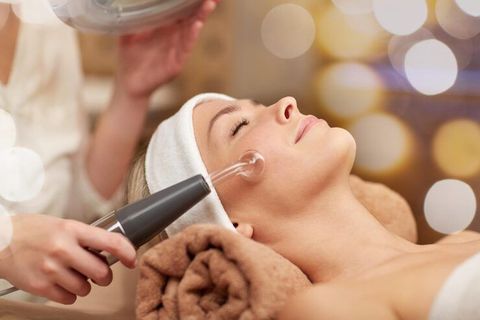
Professional body skincare may involve controlled exfoliation, selected light-based procedures, or devices designed to address specific texture concerns. These approaches differ in their mechanisms, suitability, and recovery requirements. A procedure used for one concern should not automatically be considered appropriate for general skin fatigue.
Digital skin analysis tools are also increasingly used to document visible features such as surface texture, pigmentation, and moisture-related measurements. Results can vary according to lighting, device calibration, and measurement methods. Such tools provide observations rather than a definitive diagnosis of skin health.
Evidence-Based Expectations
An important consideration is the difference between temporary cosmetic effects and longer-term changes. Moisturizers can improve softness and reduce visible scaling, while some professional procedures may help with selected skin concerns when appropriately performed. Evidence and expected outcomes vary by treatment.
The term body skin fatigue therapy itself does not establish clinical effectiveness. Readers should assess individual methods according to their intended purpose, available evidence, suitability, and potential risks rather than assuming that every treatment described under this label produces the same results.
Laws or Policies
Cosmetic Product and Treatment Regulation
Rules governing skincare products and aesthetic procedures vary by country. In India, cosmetic products fall under the applicable provisions of the Drugs and Cosmetics Act and the Cosmetics Rules, 2020, with responsibilities involving product standards, manufacturing, importation, labeling, and regulatory oversight.
Products intended for ordinary cosmetic use are distinct from medical treatments intended to diagnose or manage diseases. Classification depends on factors such as intended use, composition, and claims. A product or procedure presented as treating a medical condition may be subject to different requirements from one intended only to improve appearance.
Consumer Information and Advertising Standards
Skincare advertising should describe products and procedures accurately. Claims about hydration, skin texture, or rejuvenation should be supported by appropriate evidence and should not imply guaranteed outcomes or unsupported medical benefits.
In India, the Consumer Protection Act, 2019, and the applicable rules and guidelines concerning misleading advertisements are relevant to consumer-facing claims. Advertising platforms also apply their own policies to cosmetic and healthcare-related content. Requirements may differ depending on the product, procedure, audience, and location.
Safety and Professional Responsibilities
The level of training required for aesthetic procedures depends on the procedure and the applicable local rules. Treatments that penetrate the skin, use medical-grade equipment, or carry a risk of burns or infection may require qualified professional oversight.
Before undergoing an intensive procedure, relevant considerations include practitioner qualifications, hygiene practices, known risks, aftercare instructions, and suitability for the person's skin condition. People with persistent symptoms or a history of significant skin reactions may need assessment by a qualified healthcare professional.
Tools and Resources
Skincare Assessment and Routine Planning
Simple tools can help people organize their skincare routines and monitor changes over time. They should be used to support observation rather than replace medical assessment.
Useful resources include:
Skin type questionnaires that identify possible dryness, oiliness, sensitivity, or combination skin.
Ingredient glossaries explaining humectants, emollients, occlusives, and exfoliating ingredients.
Skincare diaries that record product use, bathing habits, environmental conditions, and skin reactions.
Product labels and ingredient lists that help users identify fragrances or other ingredients that may cause irritation.
Professional skin assessment tools used to document visible changes under consistent conditions.
Comparing Common Hydration Approaches
The following table outlines common methods, their primary purposes, and relevant limitations.
Method | Main purpose | Important consideration |
|---|---|---|
Humectant moisturizers | Attract and retain water | Formulation affects performance |
Emollient creams | Soften rough skin | Some formulations may feel heavy |
Occlusive products | Reduce moisture loss | May not suit every skin preference |
Gentle exfoliation | Remove surface dead cells | Excessive use can cause irritation |
Body masks and wraps | Provide temporary softness | Effects may be short-lived |
Professional skin procedures | Address selected skin concerns | Risks and recovery vary by procedure |
Choosing Reliable Information
Educational material from recognized dermatology organizations and official health authorities can help readers understand skin-barrier function, ingredient safety, and common skin conditions. Product documentation may clarify the intended use and application instructions of individual formulations.
When reviewing a skincare claim, it is useful to distinguish independent clinical evidence from testimonials or general promotional descriptions. Information about ingredients, potential irritation, contraindications, and aftercare is particularly relevant when considering professional treatments.
FAQs
What Is Body Skin Fatigue Therapy?
Body skin fatigue therapy is a general term for skincare practices intended to improve hydration, softness, and the appearance of tired or dull-looking skin. It may include moisturizing routines, gentle exfoliation, massage, and selected professional treatments. The term does not refer to one standardized medical procedure.
How Does Skin Hydration Therapy Work?
Skin hydration therapy generally uses moisturizing ingredients to increase water retention and support the outer skin barrier. Humectants attract water, emollients soften the surface, and occlusives help reduce moisture loss. The appropriate combination depends on skin type and the product formulation.
Can Body Skin Rejuvenation Improve Rough Skin?
Hydration-focused skincare may improve roughness caused by dryness. Gentle exfoliation can also help remove accumulated dead skin cells, but excessive exfoliation may damage the skin barrier. Persistent roughness or irritation may require professional evaluation.
How Often Should Body Skin Hydration Treatments Be Used?
The frequency depends on the treatment. Moisturizers can generally be used according to their product instructions and individual needs, while exfoliating treatments and professional procedures may require more limited use. Skin reactions and the manufacturer's guidance should influence the routine.
Are Professional Skin Rejuvenation Treatments Suitable for Everyone?
No. Suitability depends on skin sensitivity, existing conditions, medications, treatment intensity, and other individual factors. Some procedures can cause irritation, pigmentation changes, burns, or infection, so appropriate assessment and aftercare are important.
Conclusion
Body skin fatigue therapy describes a range of skincare approaches focused on hydration, surface softness, and visible skin texture. Understanding the roles of moisturizers, exfoliation, and professional procedures helps clarify their different purposes and limitations. Product selection, individual skin needs, and adherence to safety guidance are important considerations when evaluating these approaches. Skin hydration and rejuvenation are best understood as distinct but related aspects of routine skin care.