Explore Healthcare Training Programs With Medical Education and Skills Development Resources
Healthcare training programs play an important role in preparing individuals for different responsibilities within medical and healthcare environments.
These programs combine theoretical education, practical instruction, technical knowledge, and professional development to help learners understand how healthcare systems operate. They cover various subjects, including patient care, medical administration, laboratory procedures, clinical assistance, healthcare technology, and public health education.
The development of healthcare training programs is connected to the expansion of hospitals, medical institutions, nursing education, and public health systems. As medical knowledge and healthcare technologies have progressed, educational institutions have introduced structured learning pathways to prepare individuals for changing professional requirements.
Medical education is not limited to doctors and nurses. It also includes laboratory technicians, radiology professionals, healthcare administrators, medical assistants, emergency response personnel, and other specialists. Each professional group requires particular knowledge and practical abilities to perform its responsibilities appropriately.
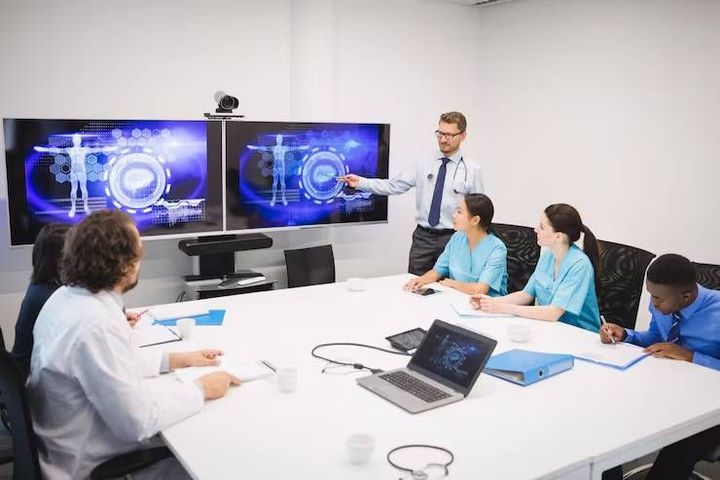
Today, healthcare training programs are available through universities, colleges, vocational institutions, professional organizations, and digital learning platforms. Depending on the subject, learners can participate in classroom education, laboratory sessions, supervised clinical practice, online courses, and blended learning arrangements.
Types of Healthcare Training Programs
Healthcare education includes several learning categories designed around different professional responsibilities.
Medical Education Programs: Cover medical sciences, clinical knowledge, anatomy, physiology, and patient assessment.
Nursing Training Programs: Focus on patient monitoring, clinical procedures, healthcare communication, and nursing practices.
Medical Assistant Training: Introduces administrative responsibilities, patient preparation, basic clinical procedures, and healthcare documentation.
Laboratory Training: Explains specimen handling, laboratory equipment, diagnostic procedures, and quality control.
Healthcare Administration Education: Covers hospital operations, medical records, scheduling, organizational management, and healthcare information systems.
Emergency Care Training: Introduces emergency response procedures, first aid principles, and patient stabilization concepts.
The duration, academic requirements, and practical components differ according to the educational institution and the professional pathway.
Importance
Healthcare training programs matter because medical environments require individuals with appropriate knowledge, technical abilities, and an understanding of patient safety. Healthcare professionals regularly interact with patients, medical equipment, electronic records, and clinical procedures. Inadequate preparation can create communication problems, documentation errors, and difficulties during routine medical activities.
Structured medical education helps learners understand professional responsibilities before entering clinical environments. Practical training also allows students to become familiar with equipment, workplace procedures, patient communication, and supervised clinical activities.
Who Benefits From Healthcare Education?
Several groups participate in healthcare training for different educational and professional purposes.
Students: Individuals interested in medical education can explore academic pathways in medicine, nursing, laboratory technology, and healthcare administration.
Existing Healthcare Professionals: Practitioners can update their knowledge and develop additional technical or administrative abilities.
Career Changers: Adults from other educational backgrounds can investigate suitable healthcare training pathways based on admission requirements.
Healthcare Institutions: Hospitals and medical organizations use structured training to support staff development and workplace readiness.
Community Health Workers: Individuals involved in public health activities can develop knowledge about health awareness, prevention, and community education.
Challenges Addressed by Training Programs
Healthcare environments involve complex responsibilities that require continuous learning. Training programs address several common challenges.
Knowledge gaps: Medical terminology, clinical procedures, and healthcare documentation can be difficult for beginners. Organized educational programs introduce these subjects gradually.
Technology changes: Electronic health records, digital diagnostic equipment, and automated laboratory systems require updated technical knowledge.
Patient communication: Healthcare professionals need to understand how to communicate clearly with individuals from different backgrounds and explain routine procedures appropriately.
Workplace preparedness: Classroom knowledge alone may not provide sufficient familiarity with clinical environments. Supervised practical sessions help connect theoretical concepts with everyday responsibilities.
Recent Updates
Healthcare training programs are gradually adapting to developments in digital education, medical technology, simulation equipment, and changing healthcare requirements. Educational institutions increasingly combine traditional teaching methods with digital resources to improve access to learning materials and practical preparation.
Digital Medical Education
Online healthcare education has expanded through virtual classrooms, recorded lectures, learning management systems, and interactive educational modules. Students can study subjects such as medical terminology, anatomy, healthcare administration, and patient safety through structured digital lessons.
Blended learning is another developing approach. It combines online theoretical instruction with classroom activities, laboratory exercises, and supervised practical sessions.
Simulation-Based Clinical Training
Medical simulation has become an important component of healthcare education. Training institutions use simulated clinical environments, anatomical models, computer-based scenarios, and specialized equipment to introduce practical procedures.
Simulation-based education helps students understand clinical situations without relying exclusively on direct patient interaction during their initial learning stages.
Artificial Intelligence and Healthcare Technology
Artificial intelligence is influencing medical education through digital learning assistants, clinical case simulations, educational analytics, and technology-supported assessments. These applications can help instructors organize educational materials and explain complex medical concepts.
However, AI-generated educational information requires appropriate review. Students must understand that automated tools do not replace qualified instructors, clinical supervision, or professional judgment.
Continuing Professional Development
Continuing education is receiving attention across healthcare disciplines. Professionals increasingly participate in refresher courses, technical workshops, updated clinical training, and specialized educational programs.
The following table summarizes important developments in healthcare training.
| Development | Educational application | Main purpose |
|---|---|---|
| Online learning | Virtual classrooms and recorded lessons | Flexible theoretical education |
| Medical simulation | Clinical models and practice scenarios | Practical skill development |
| AI-supported learning | Digital educational assistants | Learning support |
| Electronic health records | Medical documentation exercises | Digital record management |
| Continuing education | Professional workshops and courses | Knowledge improvement |
| Virtual laboratories | Computer-based laboratory activities | Technical understanding |
These developments demonstrate how healthcare education is becoming more technology-supported while retaining the importance of supervised practical instruction.
Laws or Policies
Healthcare training programs operate within educational, professional, and healthcare regulations. These requirements vary between countries because each national system establishes its own standards for medical education, institutional recognition, professional licensing, and clinical practice.
Students should distinguish between completing an educational course and receiving authorization to perform regulated healthcare activities. A training certificate does not automatically provide professional registration or permission to practice medicine.
Educational Accreditation
Accreditation is an important consideration when evaluating healthcare training institutions. Recognized accreditation arrangements help assess whether an institution follows established educational standards.
Depending on the country and educational pathway, relevant authorities may evaluate:
Institutional recognition and academic qualifications.
Course structure and subject coverage.
Faculty qualifications and teaching arrangements.
Laboratory facilities and practical learning resources.
Clinical placement arrangements.
Student assessment and examination procedures.
Professional Licensing and Registration
Certain healthcare occupations require professional registration, examinations, or licensing before individuals can practice independently.
Medical doctors, nurses, pharmacists, and other regulated professionals may need to complete approved education and supervised training before receiving professional authorization.
Requirements can also differ between healthcare occupations. Some administrative or introductory healthcare courses do not lead to regulated professional qualifications.
Patient Safety and Clinical Training Policies
Patient safety is an essential part of medical education. Training institutions generally establish procedures covering confidentiality, infection prevention, clinical supervision, workplace conduct, and responsible handling of patient information.
Students participating in clinical placements may also need to follow institutional policies concerning patient consent, record management, and access to medical facilities.
International educational organizations provide general guidance on health workforce development, educational quality, and healthcare system improvement. However, national authorities remain responsible for determining professional recognition and licensing requirements within their jurisdictions.
Tools and Resources
Healthcare training programs use different educational resources to support theoretical understanding, practical instruction, and professional development. Selecting appropriate resources depends on the learner's subject, educational level, and intended qualification.
Medical Learning Platforms
Digital education platforms provide structured courses, video lessons, quizzes, reading materials, and progress assessments.
Common learning resources include:
Medical terminology learning modules.
Human anatomy and physiology lessons.
Nursing education materials.
Healthcare administration courses.
Public health learning programs.
Clinical documentation exercises.
Medical Simulation and Laboratory Resources
Simulation equipment helps students understand clinical procedures and technical responsibilities.
Examples include anatomical models, patient simulators, laboratory instruments, diagnostic equipment, and virtual clinical environments. These resources introduce practical concepts before students participate in supervised clinical activities.
Professional Development Resources
Professional organizations and educational institutions publish guidelines, learning materials, technical updates, and continuing education information.
Students can explore resources from recognized medical education institutions, public health organizations, professional licensing authorities, and academic libraries.
Healthcare Training Resource Comparison
| Resource | Main learning area | Suitable users |
|---|---|---|
| Online medical courses | Theoretical medical knowledge | Beginners and students |
| Nursing education modules | Patient care principles | Nursing learners |
| Anatomy applications | Human body structure | Medical students |
| Laboratory simulations | Diagnostic procedures | Laboratory learners |
| Clinical case studies | Medical decision-making concepts | Advanced students |
| Healthcare management software | Administrative processes | Healthcare administration learners |
| Professional workshops | Continuing education | Existing professionals |
How to Evaluate a Training Program
Before selecting a healthcare education pathway, learners can examine several factors.
Course Recognition: Check whether the institution and qualification are recognized by relevant educational or professional authorities.
Curriculum: Review the subjects, learning objectives, examination methods, and educational structure.
Practical Components: Understand whether the program includes laboratory exercises, clinical simulations, or supervised placements.
Faculty Qualifications: Examine the academic and professional backgrounds of instructors.
Qualification Requirements: Identify the education, examinations, registration, or licensing requirements associated with the intended occupation.
Learning Format: Compare classroom, online, and blended learning arrangements according to individual educational needs.
These considerations help learners understand the structure and limitations of different healthcare training programs.
FAQs
What Are Healthcare Training Programs?
Healthcare training programs are educational courses designed to develop medical knowledge, clinical abilities, technical understanding, and administrative skills. They cover areas such as nursing, medical assistance, laboratory technology, and healthcare management.
Which Medical Education Programs Can Beginners Explore?
Beginners can explore introductory courses in medical terminology, anatomy, healthcare administration, nursing fundamentals, public health, and medical laboratory studies. Entry requirements depend on the institution and qualification.
How Long Do Healthcare Training Programs Take?
Program duration varies according to the subject, qualification level, and educational institution. Short introductory courses may take several weeks, while professional medical qualifications can require several years of academic and supervised practical training.
Are Online Healthcare Training Programs Recognized?
Recognition depends on the institution, course accreditation, qualification structure, and applicable professional regulations. Online theoretical education may support learning, but regulated clinical occupations can require additional practical training and professional authorization.
Why Is Practical Training Important in Medical Education?
Practical training helps learners understand clinical environments, equipment handling, patient communication, documentation, and safety procedures. Supervised exercises connect theoretical knowledge with the responsibilities encountered in healthcare settings.
Conclusion
Healthcare training programs support medical education, technical development, and professional learning across different healthcare disciplines. Digital education, clinical simulation, and continuing professional development are influencing how students and existing practitioners acquire knowledge. Accreditation, practical experience, patient safety, and professional licensing remain important considerations when evaluating educational pathways. Understanding these elements provides a clearer picture of healthcare education and its role in developing a capable healthcare workforce.