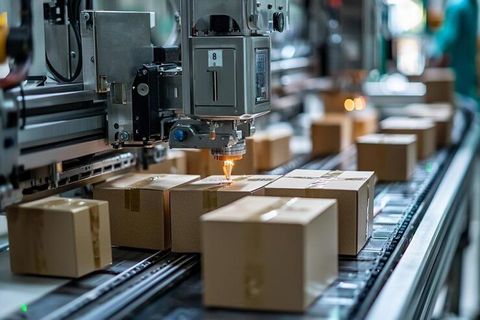
Shrink Tunnel Machines Explained: Types, Working Process, Applications, Benefits and Features
Shrink tunnel machines are packaging machines designed to apply controlled heat to shrinkable plastic film around products or packages. They are commonly used with films such as polyolefin (POF), polyethylene (PE), and polyvinyl chloride (PVC), depending on the packaging requirement and machine configuration. A shrink tunnel machines guide helps explain how these systems work, the main types available, and where they are used.
The basic principle is straightforward. A product is first enclosed or partially enclosed in shrink film, and the package then passes through a heated tunnel. Heat causes the film to contract around the product, creating a closer-fitting package.
Shrink tunnels can be used as standalone machines or as part of larger packaging lines. They may operate with manual, semi-automatic, or automatic packaging equipment, depending on production requirements.
Main Components
A typical shrink tunnel contains several components that work together during the packaging process. These can include a conveyor, heating elements, temperature controls, airflow systems, tunnel housing, and a control panel.
The conveyor moves packages through the heated chamber at a selected speed. Heating elements raise the temperature, while fans or airflow systems distribute heat around the package. Controls allow operators to adjust parameters such as temperature and conveyor speed.
Importance
Shrink tunnel machines are important in packaging because they provide a consistent method for forming shrink film around products. A properly configured system can help create uniform packaging across repeated production cycles.
These machines are used across many industries because packaged products can have different sizes, shapes, materials, and handling requirements. Food products, consumer goods, printed materials, household items, electronics, and industrial products may use shrink-film packaging.
Packaging Challenges Addressed
Packaging operations can face challenges such as inconsistent film shrinking, uneven heating, damaged products, excessive film use, or slow manual processing. Machine configuration and operating conditions can influence how effectively these issues are managed.
A shrink tunnel can provide controlled heating and movement through the shrinking stage. However, the final packaging result also depends on film characteristics, product shape, sealing quality, temperature, conveyor speed, and airflow.
Common Applications
Shrink tunnels are used in several packaging environments, including:
- Food and beverage packaging
- Consumer product packaging
- Pharmaceutical and healthcare packaging
- Printed materials and stationery
- Electronics and accessories
- Household products
- Industrial components
- Multipack and promotional packaging
- E-commerce product preparation
Different applications require different combinations of film, temperature, conveyor speed, and machine configuration.
Recent Updates
Energy-Efficient Heating Systems
Recent developments in shrink tunnel machines have focused on improving heating efficiency and temperature control. Equipment manufacturers increasingly use heating systems designed to distribute heat more evenly through the tunnel.
Improved insulation can also help reduce unnecessary heat loss. Energy use still depends on tunnel size, operating temperature, throughput, film type, and operating duration.
Digital Controls
Modern machines may include digital control panels, programmable settings, temperature displays, and adjustable conveyor speeds. These features can make it easier to monitor operating conditions during packaging.
Some systems also include sensors and automated controls that adjust or monitor specific machine functions. The level of automation varies considerably between machine models.
Flexible Machine Configurations
Packaging operations increasingly use equipment that can accommodate different product dimensions and film types. Adjustable tunnel openings, conveyor settings, and temperature controls can provide greater flexibility for varied packaging formats.
Combination systems can also integrate film sealing and shrinking into a continuous packaging process. This can reduce the need for separate manual handling between stages.
Automation and Production Lines
Shrink tunnels are increasingly incorporated into automated packaging lines. Conveyor systems can transfer products from filling, wrapping, sealing, labeling, or inspection equipment into the shrink tunnel.
Automation levels range from simple conveyor-fed systems to integrated lines with sensors, programmable controls, and automated product handling.
Laws or Policies
The rules governing shrink tunnel machines depend on the country where the equipment is manufactured, installed, and operated. Regulations may address electrical safety, machinery safety, workplace conditions, emissions, and operator protection.
Machinery Safety
Industrial machinery is generally expected to incorporate appropriate safeguards against mechanical, electrical, and thermal hazards. Shrink tunnels contain heated surfaces and moving conveyor components, so guarding and operating procedures are important.
Emergency controls, protective covers, warning labels, and safe operating procedures may form part of a machine's safety design.
Electrical Requirements
Shrink tunnels use electrical systems to power heating elements, motors, controls, and fans. Electrical installations may need to comply with applicable national or regional electrical standards.
The appropriate requirements depend on factors such as voltage, machine configuration, installation environment, and local regulations.
Workplace Safety
Operators should receive appropriate instruction on machine operation, temperature controls, conveyor systems, film handling, and emergency procedures. Employers may also need to assess workplace risks and provide suitable protective measures.
Specific compliance requirements should be checked with the relevant government authority or qualified safety professional because regulations differ by jurisdiction.
Tools and Resources
Several tools and resources can help users understand, operate, and maintain shrink tunnel machines.
Temperature and Conveyor Controls
Temperature controllers and conveyor-speed controls are among the primary operational tools. The correct settings depend on the film material, package dimensions, product characteristics, and desired shrink result.
Operators generally adjust these parameters gradually rather than relying on a single setting for every product.
Film Selection Guides
Packaging-film specifications can help determine whether a particular film is compatible with a shrink tunnel. Important characteristics may include film type, thickness, shrink percentage, heat-shrink behavior, and recommended temperature range.
Manufacturer documentation should be checked before using a new film with existing equipment.
Maintenance Checklists
A maintenance checklist can help operators monitor important machine components. Common inspection areas include:
- Heating elements
- Conveyor belts or rollers
- Fans and airflow paths
- Temperature sensors
- Electrical connections
- Safety switches
- Tunnel insulation
- Control-panel components
The appropriate maintenance frequency depends on operating hours, machine design, environmental conditions, and manufacturer instructions.
Packaging Measurement Tools
Accurate product measurements can help determine suitable film dimensions and tunnel configurations. Measurements may include product length, width, height, package weight, and film dimensions.
For production environments, recording these values can help operators maintain consistent packaging settings.
FAQs
What is a shrink tunnel machine?
A shrink tunnel machine is packaging equipment that uses controlled heat to shrink plastic film around a product or package. A conveyor typically moves the film-covered product through the heated chamber.
How does a shrink tunnel machine work?
The product is enclosed in suitable shrink film and transported through the tunnel. Controlled heat causes the film to contract, while airflow and conveyor movement help distribute the heat around the package.
What types of film can be used in shrink tunnels?
Common shrink films include polyolefin, polyethylene, and PVC. Compatibility depends on the film specification and the operating characteristics of the machine.
What affects shrink tunnel performance?
Temperature, conveyor speed, airflow, film characteristics, package dimensions, and product shape can all affect the final result. Incorrect settings may produce incomplete shrinking, excessive film contraction, wrinkles, or heat-related damage.
Where are shrink tunnel machines used?
Shrink tunnels are used in food packaging, consumer products, printed materials, electronics, household products, industrial goods, and other packaging applications. Machine configuration varies according to the product and packaging process.
Conclusion
Shrink tunnel machines use controlled heat and conveyor movement to form shrinkable film around packaged products. Their main components include heating systems, conveyors, airflow mechanisms, temperature controls, and safety equipment. Machine selection and operating settings depend on factors such as film type, package dimensions, production requirements, and applicable safety rules. Digital controls, energy-efficient heating, and greater automation continue to shape modern shrink tunnel systems.