Power Quality Analyzers Guide With Electrical Testing and Energy Insights
Power Quality Analyzers are electrical testing instruments designed to examine how electricity behaves within an electrical system. They measure characteristics such as voltage, current, frequency, power, harmonics, voltage fluctuations, and other electrical conditions that can influence equipment performance.
The need for power quality analysis developed as electrical systems became more complex. Modern facilities commonly contain computers, variable-frequency drives, automation controllers, LED lighting, data equipment, battery systems, and power converters. Many of these devices use electronic switching circuits that can interact with the electrical network and create disturbances.
A Power Quality Analyzer provides measured information that can help identify unusual electrical behavior. Instead of relying only on visible equipment problems, technicians can examine recorded electrical measurements to understand when and how an issue occurs.
What Power Quality Means
Power quality generally describes whether electrical power remains within expected operating characteristics. A stable electrical supply normally maintains suitable voltage and frequency while keeping disturbances within applicable limits.
Common power quality conditions include:
- Voltage dips and swells
- Harmonic distortion
- Voltage interruptions
- Frequency variations
- Current imbalance
- Voltage imbalance
- Transient events
- Poor power factor
- Rapid voltage changes
These conditions can occur individually or at the same time. Their significance depends on the electrical system, connected equipment, operating conditions, and applicable technical requirements.
How Power Quality Analyzers Work
A Power Quality Analyzer connects to an electrical circuit through appropriate voltage and current measurement connections. The instrument records electrical parameters over a selected period and presents the results through a display or software platform.
More advanced instruments can continuously record measurements and identify events that may not be visible during a short inspection. Recorded data can then be reviewed to compare electrical behavior during different operating periods.
Importance
Electrical problems are not always caused by damaged equipment. An electrical device may experience unexpected shutdowns, overheating, inaccurate operation, or reduced operating stability because of conditions elsewhere in the electrical network.
Power Quality Analyzers help provide measurement-based information for investigating these situations. They can also support routine electrical testing by creating a record of system conditions before, during, and after changes in equipment operation.
Who Uses Power Quality Analysis
Power quality measurements can be relevant to several groups:
- Facility maintenance teams examining electrical disturbances
- Electrical engineers assessing distribution systems
- Industrial operators monitoring production equipment
- Building teams reviewing energy consumption
- Renewable energy specialists examining power conversion equipment
- Electrical inspectors conducting measurement-based assessments
- Equipment designers evaluating electrical compatibility
The information can be useful for both small electrical systems and large distribution networks, although measurement methods and safety requirements vary considerably.
Energy Insights From Electrical Measurements
Power quality analysis and energy analysis are related but not identical. Energy monitoring focuses on how much electrical energy a system uses, while power quality analysis examines characteristics of the electrical supply and load.
A suitable analyzer may measure active power, reactive power, apparent power, power factor, voltage, current, and energy consumption. Reviewing these measurements together can provide a clearer picture of how electrical loads behave.
For example, a facility may discover that electricity demand changes significantly when large motors start or when multiple power converters operate simultaneously. Such information can support further engineering analysis.
Common Measurement Parameters
| Parameter | What It Indicates | Typical Reason for Measurement |
|---|---|---|
| Voltage | Electrical potential in the circuit | Detect unusual voltage conditions |
| Current | Electrical flow through a conductor | Examine load behavior |
| Frequency | Rate of AC electrical cycles | Check supply stability |
| Power Factor | Relationship between useful and apparent power | Evaluate electrical loading |
| Harmonics | Additional frequency components | Investigate waveform distortion |
| Active Power | Power converted into useful work | Review electrical demand |
| Reactive Power | Power associated with magnetic or electric fields | Examine system behavior |
| Energy | Electrical consumption over time | Track usage patterns |
| Voltage Imbalance | Difference between phase voltages | Examine three-phase systems |
| Transients | Very short electrical disturbances | Investigate sensitive equipment issues |
Recent Updates
Power quality analysis has been influenced by the rapid expansion of power electronics, renewable energy, electric transportation infrastructure, battery systems, and automated industrial equipment. These technologies can introduce switching behavior that makes electrical measurement increasingly important.
Modern Power Quality Analyzers are also becoming more capable of recording larger amounts of information. Instruments may combine waveform recording, event detection, harmonic analysis, energy measurement, and data export within one platform.
Smarter Data Analysis
Recent electrical testing equipment increasingly uses software to organize measurements and identify unusual patterns. Automated event classification can make large measurement datasets easier to review, although engineering judgment remains important when determining the underlying cause.
Cloud-connected monitoring is another developing area. Depending on the equipment architecture, measurements can be transferred to centralized platforms for longer-term analysis. This can help organizations compare electrical conditions across different locations or operating periods.
Renewable Energy and Power Electronics
Solar inverters, battery energy storage systems, motor drives, chargers, and other electronic power conversion systems have increased the need to understand waveform behavior. Their operation can affect voltage and current characteristics depending on system design and network conditions.
This does not mean that power electronics automatically create a power quality problem. Proper system design, equipment compatibility, installation practices, and monitoring all influence actual performance.
Portable and Continuous Monitoring
Portable analyzers remain useful for temporary investigations because they can be connected during a specific measurement period. Permanent monitoring systems, meanwhile, can collect information continuously.
The choice depends on the purpose of the investigation. Short-term testing may be suitable for a specific incident, while continuous measurement can help identify patterns that occur only during particular operating conditions.
Laws or Policies
Power quality requirements are influenced by electrical safety rules, grid codes, equipment standards, and technical specifications. The exact legal requirements differ between jurisdictions and electrical system types.
Several international technical standards are commonly referenced when evaluating power quality. IEC 61000 is a major family of standards covering electromagnetic compatibility and related electrical phenomena. IEEE 519 is widely referenced for harmonic control in electrical power systems, while EN 50160 describes characteristics of voltage supplied by public distribution networks in relevant markets.
Standards and Grid Requirements
It is important to distinguish between a technical standard and a law. A standard may provide measurement methods, recommended limits, or compatibility criteria without automatically being a legal requirement.
In some situations, standards become relevant because they are incorporated into contracts, equipment specifications, grid connection requirements, or national regulations. Electrical professionals therefore need to determine which requirements apply to the particular installation.
Electrical Safety Considerations
Electrical measurement involves exposure to energized circuits, so appropriate safety procedures are essential. Measurement equipment must have suitable electrical ratings for the circuit being examined, and connections should be performed according to applicable safety procedures.
Power Quality Analyzers should not be treated as substitutes for qualified electrical assessment. Measurements provide data, while interpretation and corrective decisions may require appropriate technical expertise.
Tools and Resources
Several tools can support electrical testing and energy analysis. A Power Quality Analyzer is the primary instrument for detailed measurements, while complementary equipment can help investigate particular conditions.
Measurement Equipment
Useful categories include:
- Portable power quality analyzers
- Three-phase power meters
- Clamp meters
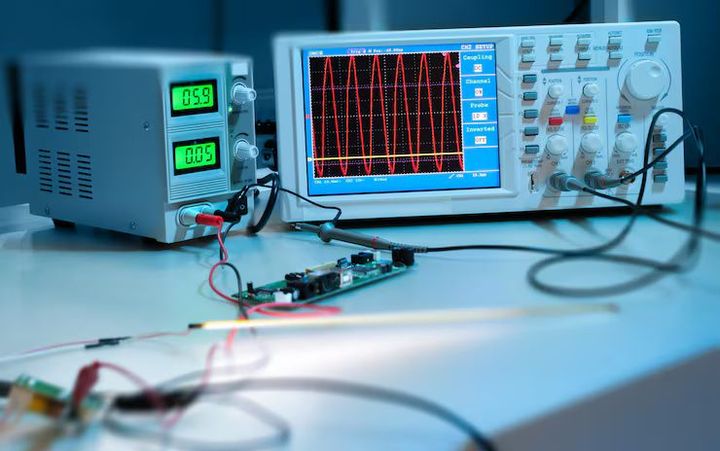
- Oscilloscopes with suitable electrical measurement accessories
- Insulation and electrical safety testers
- Energy monitoring meters
- Data logging systems
Each instrument has different measurement capabilities and electrical ratings. The selected equipment should match the voltage level, current range, number of phases, measurement objective, and applicable safety requirements.
Software and Calculation Tools
Analyzer software can help transform recorded measurements into graphs, event reports, tables, and trend information. Spreadsheet applications can also be used to organize exported readings and compare measurements across different periods.
Useful calculations may include power factor, apparent power, energy consumption, phase imbalance, and harmonic distortion. However, calculations should use appropriate measurement definitions because electrical systems can contain nonlinear loads and rapidly changing conditions.
Documentation Resources
Technical manuals, electrical drawings, equipment specifications, installation records, and applicable standards can provide important context when analyzing measurements. A structured testing template can record the measurement location, circuit identification, instrument configuration, observation period, and significant events.
Keeping these details together makes later comparison easier and reduces the possibility of interpreting an isolated measurement without understanding the operating conditions.
FAQs
What is a Power Quality Analyzer used for?
A Power Quality Analyzer measures electrical characteristics such as voltage, current, frequency, harmonics, power factor, and electrical events. It is commonly used to investigate disturbances and understand electrical system behavior.
How does electrical testing identify power quality problems?
Electrical testing records measurable conditions within a circuit. By examining voltage changes, waveform distortion, current behavior, frequency, and related parameters over time, technicians can identify unusual events and investigate their possible causes.
What are harmonics in power quality analysis?
Harmonics are frequency components that occur in addition to the fundamental AC frequency. Nonlinear electronic loads, power converters, drives, and similar equipment can contribute to harmonic currents or voltage distortion.
Can Power Quality Analyzers measure energy consumption?
Many Power Quality Analyzers can measure active power and accumulated electrical energy in addition to power quality parameters. This allows electrical testing and energy insights to be reviewed from the same measurement period when the instrument supports those functions.
What standards are associated with power quality?
IEC 61000, IEEE 519, and EN 50160 are examples of standards frequently referenced in power quality analysis. Their applicability depends on the electrical system, location, equipment, and specific technical requirements.
Conclusion
Power Quality Analyzers provide measurement-based information about voltage, current, frequency, harmonics, power, energy, and electrical disturbances. Their role has become increasingly relevant as modern electrical systems incorporate electronic controls, renewable energy equipment, automation, and power conversion technologies. Electrical testing can help establish when unusual conditions occur and provide data for further technical investigation. Understanding applicable standards, measurement methods, equipment ratings, and operating conditions is important when interpreting power quality information.