Plastic Recycling Machines Guide With Modern Recycling Technology and Processing Insights
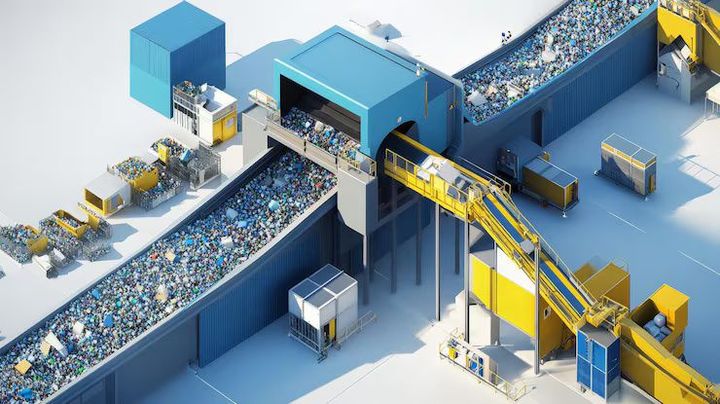
Plastic recycling machines are industrial systems designed to process discarded plastic materials and prepare them for reuse in manufacturing. These machines can sort, shred, wash, separate, dry, melt, filter, and convert plastic into flakes, pellets, or other usable forms.
As plastic consumption has increased across packaging, construction, automotive, electronics, agriculture, and consumer products, plastic recycling machines have become an important part of modern recycling technology and materials management.
Context
What Are Plastic Recycling Machines
Plastic recycling machines are groups of mechanical and thermal processing equipment used to transform discarded plastic into a form that can be processed again. Different machines perform different stages because plastic waste can vary considerably in size, material type, contamination level, and physical condition.
A typical plastic recycling process may begin with collection and sorting. Materials are then reduced in size, cleaned, separated from unwanted substances, dried, melted, filtered, and formed into recycled plastic pellets or flakes.
Where Plastic Recycling Technology Comes From
Plastic recycling developed alongside the growth of synthetic polymers and mass production. Early recycling activities were relatively simple, often involving the collection and mechanical reuse of production scraps. Modern systems have expanded into more controlled processing operations that can handle post-industrial and post-consumer plastic streams.
Common materials processed by plastic recycling machines include polyethylene terephthalate, high-density polyethylene, low-density polyethylene, polypropylene, polystyrene, and selected engineering plastics. Each material requires appropriate processing conditions because plastics have different melting behavior, density, chemical characteristics, and contamination risks.
Main Types of Plastic Recycling Machines
Plastic recycling equipment is usually organized according to the stage of processing.
- Plastic shredders reduce larger items into smaller pieces.
- Plastic crushers further reduce material size for easier handling.
- Plastic washing machines remove dirt, labels, residues, and other contaminants.
- Separation systems distinguish plastics from heavier or unwanted materials.
- Drying equipment removes moisture before thermal processing.
- Plastic extruders melt and homogenize prepared plastic.
- Melt filtration systems remove remaining solid contaminants.
- Pelletizing machines convert molten plastic into standardized pellets.
- Compactors and densifiers prepare lightweight plastic film and similar materials for further processing.
A complete recycling line may combine several of these systems rather than relying on a single machine.
Importance
Why Plastic Recycling Machines Matter
Plastic waste presents challenges because many plastic products are designed for specific applications and may contain additives, coatings, labels, or mixed materials. Without appropriate processing, discarded plastic can be difficult to reuse efficiently.
Recycling systems help separate useful material from contaminants and convert suitable plastic waste into a more manageable secondary raw material. This can support resource efficiency and reduce the amount of recoverable plastic entering disposal streams.
Who Is Affected
The subject affects several groups involved in the lifecycle of plastic materials. Manufacturers, recycling facilities, packaging producers, waste-management organizations, municipalities, and consumers all have a role in determining how plastic materials are collected and processed.
For everyday users, better recycling infrastructure can make waste separation more meaningful because collected materials have a pathway into controlled processing. For manufacturers, recycled polymers can become inputs for selected products when their quality and properties meet the required specifications.
Processing Challenges
Plastic recycling is not simply a matter of melting waste plastic. Material quality can be affected by moisture, food residue, oils, metals, paper, adhesives, pigments, incompatible polymers, and degradation caused by previous processing.
Important factors include:
- Material identification and sorting accuracy
- Contamination levels
- Particle size after shredding
- Washing efficiency
- Moisture content
- Temperature control
- Melt filtration
- Pellet consistency
- Polymer degradation
- Energy consumption
These factors influence the quality and suitability of the recycled material produced by a processing line.
Common Processing Stages
| Processing Stage | Main Purpose | Typical Equipment |
|---|---|---|
| Collection | Gather discarded materials | Collection systems |
| Sorting | Separate material types | Sorting and separation systems |
| Size Reduction | Reduce plastic dimensions | Shredders and crushers |
| Washing | Remove contaminants | Washing systems |
| Separation | Improve material purity | Float-sink and air systems |
| Drying | Reduce moisture | Mechanical or thermal dryers |
| Melting | Prepare polymer for filtration | Extruders |
| Filtration | Remove remaining solids | Melt filters |
| Pelletizing | Form reusable pellets | Pelletizers |
| Quality Control | Check processed material | Testing equipment |
Recent Updates
Automation and Smart Monitoring
Recent developments in plastic recycling machines have increasingly focused on automation, sensor-based monitoring, and process control. Modern systems can incorporate sensors and automated controls to monitor factors such as temperature, pressure, material flow, and equipment conditions.
Automation can help reduce variations between processing batches and provide operators with more information about the condition of a recycling line. Digital monitoring can also support maintenance planning and production records.
Improved Sorting Technology
Sorting remains one of the most important stages in plastic recycling. Optical identification, near-infrared sensing, density-based separation, and automated material handling are being incorporated into more advanced recycling systems.
These technologies can help distinguish between different polymer categories or remove unwanted materials before further processing. Improved sorting is particularly relevant when mixed plastic waste contains several polymer types.
Energy and Resource Efficiency
Recent equipment development has also emphasized efficient heating, washing, drying, and material movement. Extrusion systems are being developed with more precise temperature control, while washing and drying systems increasingly focus on managing water and energy consumption.
Mechanical recycling remains widely used because it can process many suitable plastic streams without changing the polymer into its basic chemical components. At the same time, chemical recycling technologies continue to develop for selected materials and waste streams that can be difficult to process mechanically.
Digital Process Control
Digital interfaces are becoming more common across modern recycling equipment. Operators may use dashboards to observe machine conditions, production parameters, alarms, and process trends.
Data collection can help identify unusual operating conditions and support more consistent process management. However, digital controls do not replace proper material sorting, equipment maintenance, and quality testing.
Laws or Policies
How Regulation Shapes Plastic Recycling
Plastic recycling is influenced by environmental rules, waste-management requirements, product standards, and extended producer responsibility programs. The exact requirements vary by country and sometimes by region or material category.
Many regulatory frameworks focus on reducing uncontrolled waste, improving collection and recovery, increasing recycling rates, and establishing responsibilities for organizations involved in placing plastic products on the market.
Extended Producer Responsibility
Extended producer responsibility, commonly called EPR, is used in several jurisdictions to assign responsibilities for products and packaging beyond their initial use. Depending on the local framework, organizations may have obligations related to collection, documentation, recovery, recycling targets, or reporting.
Plastic recycling facilities may therefore need to maintain records showing the types and quantities of materials processed. Requirements can differ substantially, so operators generally need to follow the rules applicable to their location and material stream.
Environmental and Workplace Requirements
Recycling facilities can also be subject to requirements covering wastewater, air emissions, noise, machinery safety, electrical systems, fire prevention, and handling of industrial residues. Washing operations may generate contaminated water, while thermal processing requires controlled heating and ventilation.
The specific rules depend on the country and jurisdiction. This article provides general information rather than legal or regulatory advice.
Tools and Resources
Equipment Selection Tools
Useful planning resources can include machine specification sheets, material compatibility charts, throughput calculators, moisture measurement tools, energy monitoring systems, and polymer identification references.
A recycling line should be evaluated according to the material being processed rather than machine capacity alone. Plastic type, contamination, moisture, particle size, expected output quality, and operating conditions all influence equipment selection.
Material Identification Resources
Polymer identification references can help readers understand common resin categories and recycling symbols. Laboratory testing can provide additional information when material composition is uncertain or when recycled output must meet specific technical requirements.
Maintenance and Process Records
Digital spreadsheets, maintenance templates, production logs, inspection checklists, and quality-control records can help organize recycling operations. Useful records may include equipment inspections, filter changes, temperature readings, material batches, moisture measurements, and output-quality observations.
Learning Resources
Educational materials from environmental agencies, recycling organizations, technical institutions, equipment manufacturers, and standards organizations can help readers understand recycling terminology and processing principles. These resources are particularly useful for people who are unfamiliar with plastic polymers and industrial recycling systems.
FAQs
What Are Plastic Recycling Machines Used For?
Plastic recycling machines are used to process discarded plastic through stages such as sorting, shredding, washing, drying, melting, filtering, and pelletizing. The exact equipment required depends on the plastic material and desired recycled output.
How Does a Plastic Recycling Machine Work?
A plastic recycling machine usually performs one specific processing function rather than completing every stage alone. A recycling line may reduce plastic size, clean it, remove unwanted materials, melt the polymer, filter the melt, and produce flakes or pellets.
What Types of Plastic Can Recycling Machines Process?
Different plastic recycling machines can process materials such as PET, HDPE, LDPE, PP, and selected other polymers. Processing requirements vary according to polymer characteristics, contamination, moisture, and the intended recycled product.
What Is the Role of Plastic Shredders in Recycling?
Plastic shredders reduce large plastic items into smaller pieces. Smaller pieces are easier to wash, separate, transport, and feed into later stages of a recycling line.
Are Modern Plastic Recycling Machines Automated?
Many modern plastic recycling machines include automated controls, sensors, monitoring systems, and programmable operating parameters. The level of automation varies according to equipment design and the complexity of the recycling process.
Conclusion
Plastic recycling machines support the conversion of suitable discarded plastic into reusable flakes, pellets, and other secondary materials. Modern recycling technology combines mechanical processing, sorting, washing, extrusion, filtration, automation, and quality control to address different material challenges. Regulations and resource-efficiency goals continue to influence how recycling systems are designed and operated. Understanding the processing stages, equipment types, material properties, and regulatory context provides a useful foundation for understanding modern plastic recycling.