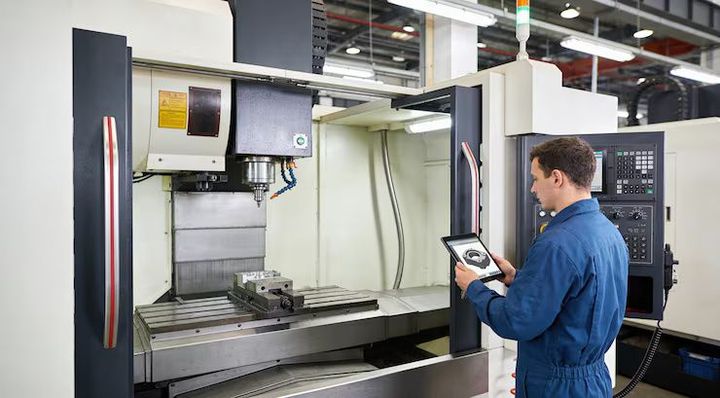
Motor Testing Machines Guide With Advanced Testing Technology and Industrial Engineering Resources
Motor Testing Machines are specialized systems used to examine the electrical, mechanical, thermal, and operational characteristics of motors. Electric motors are found in industrial equipment, pumps, fans, compressors, conveyors, appliances, vehicles, and many automated systems.
Motor testing developed alongside electrical engineering and industrial manufacturing. Early testing methods relied heavily on basic electrical meters and manual observations. Modern systems combine sensors, computerized measurement, automated controls, data recording, and analysis software to create a more detailed picture of motor performance.
The purpose of motor testing is not limited to checking whether a motor starts or runs. A complete evaluation can examine voltage, current, resistance, insulation condition, rotational speed, torque, vibration, temperature, efficiency, and other characteristics. These measurements help identify unusual operating behavior and support engineering decisions.
What Motor Testing Machines Do
A motor testing machine can be configured for different motor types and testing requirements. Some systems focus on electrical measurements, while others combine electrical and mechanical testing.
Common testing functions include:
- Voltage and current measurement
- Winding resistance measurement
- Insulation resistance testing
- High-voltage electrical testing
- Torque measurement
- Speed measurement
- Temperature monitoring
- Vibration measurement
- Efficiency evaluation
- Load testing
- No-load testing
- Noise monitoring
A motor test bench may combine several of these functions into one controlled setup. Depending on the application, the test system can use sensors, measurement instruments, controllers, load equipment, and software.
Main Types of Motor Testing
Different motors require different evaluation methods. AC motors, DC motors, induction motors, synchronous motors, servo motors, and other electric motor designs can have different electrical and mechanical characteristics.
For example, an insulation resistance test examines the condition of insulation between electrical conductors and other conductive parts. A motor winding resistance test measures resistance in the windings, while a dynamometer-based test can examine torque and speed under controlled load conditions.
Importance
Motor testing matters because motors are central to many mechanical and automated systems. A change in motor performance can affect energy use, production equipment, temperature, vibration, and overall machine operation.
Testing also helps engineers compare measured behavior with expected operating characteristics. When measurements are recorded over time, unusual changes can become easier to identify.
Problems Addressed by Motor Testing
A motor can experience electrical, mechanical, thermal, or environmental problems. Some issues are visible during normal operation, while others require measurement equipment to detect.
Examples include:
- Excessive winding resistance
- Insulation deterioration
- Unbalanced electrical conditions
- Abnormal vibration
- Excessive temperature
- Unexpected current consumption
- Reduced torque
- Speed instability
- Bearing-related mechanical problems
- Unusual electrical noise
Motor testing machines provide controlled measurement conditions that make these characteristics easier to study. Instead of relying only on visual inspection, engineers can use numerical measurements and recorded test data.
Who Uses Motor Testing Equipment
Motor testing equipment is used across manufacturing, research, maintenance, quality control, electrical engineering, and industrial development. Testing laboratories may use advanced systems for detailed characterization, while manufacturing environments can integrate automated testing into production processes.
Industrial engineering resources related to motor testing include technical manuals, measurement guides, electrical formulas, testing procedures, sensor documentation, equipment specifications, and data-analysis software.
Common Motor Test Parameters
| Test Parameter | What It Measures | Typical Purpose |
|---|---|---|
| Voltage | Electrical potential | Electrical performance evaluation |
| Current | Electrical flow | Load and operating analysis |
| Resistance | Opposition to current | Winding condition assessment |
| Insulation resistance | Insulation quality | Electrical safety assessment |
| Torque | Rotational force | Mechanical output evaluation |
| Speed | Rotational rate | Operating behavior analysis |
| Temperature | Heat generation | Thermal evaluation |
| Vibration | Mechanical movement | Condition assessment |
| Efficiency | Input versus output relationship | Energy performance analysis |
These parameters are often evaluated together because a single measurement may not explain the full operating condition of a motor.
Recent Updates
Modern Motor Testing Machines are increasingly connected with digital measurement systems and automated data analysis. Current testing technology places greater emphasis on repeatable measurements, automated test sequences, electronic data records, and integration with industrial control systems.
Digital Testing Technology
Advanced testing systems can collect multiple measurements at the same time. Sensors transmit information to a controller or computer, where measurements can be displayed, stored, and analyzed.
This approach reduces the need for repeated manual recording. It also allows engineers to compare test results from different operating conditions.
Automated Motor Testing
Automated motor testing can use programmable test sequences. A system may apply predefined voltage, speed, or load conditions and then record the resulting electrical and mechanical measurements.
Automation is particularly useful when many motors must undergo similar testing procedures. Consistent test sequences can make results easier to compare between units or production batches.
Data Analysis and Condition Monitoring
Another important development is the connection between motor testing and condition-monitoring systems. Vibration, temperature, current, and other measurements can be collected over time rather than during one isolated test.
Data trends can provide useful information about changes in operating behavior. Advanced analysis may use statistical methods, signal processing, or machine-learning techniques to identify patterns within large measurement datasets.
Improved Measurement Integration
Modern systems increasingly combine several instruments within one motor test platform. A single setup may include a power analyzer, torque sensor, speed sensor, temperature sensors, vibration sensors, and computerized control equipment.
This integrated approach can reduce measurement complexity and create a more complete test record.
Laws or Policies
Motor testing is influenced by electrical safety requirements, machinery rules, workplace protection requirements, and technical standards. The exact requirements vary according to the country, industry, motor type, voltage level, and intended application.
Electrical Safety Requirements
High-voltage and electrical testing can involve significant hazards. Testing environments generally require suitable protective measures, controlled access, grounding arrangements, isolation procedures, and appropriately rated equipment.
Organizations should follow the regulations and technical requirements applicable to their location and equipment category. Testing procedures should also account for electrical shock, unexpected motor movement, stored energy, and other operational hazards.
Motor Performance Standards
International and regional standards can define methods for measuring characteristics such as efficiency, temperature rise, insulation properties, torque, speed, and electrical performance. Standards organizations and industry bodies periodically revise technical requirements as measurement methods and motor technologies evolve.
Energy-efficiency rules can also influence motor testing. Where efficiency classifications apply, standardized measurement procedures help make motor performance results more comparable.
Documentation and Test Records
Many industrial environments maintain test records containing motor identification, test conditions, measurement results, equipment information, and inspection details. Digital records can make it easier to compare historical measurements and demonstrate that defined testing procedures were followed.
Because regulatory requirements differ between jurisdictions, users should consult applicable laws, standards, and technical documentation for the specific testing environment.
Tools and Resources
A variety of tools support motor testing and electrical engineering analysis. The appropriate combination depends on the motor type, testing objective, voltage range, load requirements, and measurement accuracy.
Electrical Measurement Tools
Digital multimeters, insulation testers, power analyzers, clamp meters, and resistance meters are commonly used for electrical measurements. More advanced systems can combine several measurement functions within an automated testing platform.
Mechanical Measurement Tools
Torque transducers, tachometers, encoders, dynamometers, vibration sensors, and load systems help evaluate mechanical characteristics. A motor test bench may integrate these devices to measure motor behavior under controlled operating conditions.
Software and Data Resources
Testing software can display measurements, control test sequences, store results, and generate reports. Spreadsheet applications and engineering analysis platforms can also be used to calculate electrical and mechanical relationships from recorded measurements.
Useful industrial engineering resources include:
- Motor testing procedure templates
- Electrical calculation worksheets
- Motor efficiency calculators
- Test-data recording forms
- Sensor documentation
- Equipment manuals
- Engineering reference tables
- Technical standards databases
- Maintenance documentation systems
Selecting a Testing Approach
The testing method should match the purpose of the evaluation. Electrical diagnostics may require insulation and resistance measurements, while performance analysis may require torque, speed, power, and temperature measurements.
For research and engineering development, a more comprehensive setup may be appropriate. For routine evaluation, a focused testing system may provide the measurements required for the specific application.
FAQs
What are Motor Testing Machines used for?
Motor Testing Machines are used to measure electrical, mechanical, and thermal characteristics of motors. Depending on the system, they can evaluate voltage, current, resistance, insulation, torque, speed, temperature, vibration, efficiency, and load behavior.
What is a motor test bench?
A motor test bench is a controlled setup used to operate and measure a motor under defined conditions. It may include electrical measurement equipment, a mechanical load, sensors, controllers, and data-analysis software.
How does advanced testing technology improve motor testing?
Advanced testing technology combines automated controls, sensors, digital measurement, and software-based data recording. These functions can make repeated testing more consistent and provide detailed records for engineering analysis.
What is a dynamometer used for in motor testing?
A dynamometer is used to apply or measure mechanical load while monitoring characteristics such as torque and rotational speed. It is commonly incorporated into performance testing systems.
Why is insulation resistance testing important?
Insulation resistance testing evaluates the electrical resistance of insulation surrounding conductors. The measurement can help identify insulation conditions that may require further investigation before continued operation.
Conclusion
Motor Testing Machines provide controlled methods for evaluating the electrical, mechanical, and thermal characteristics of electric motors. Modern systems increasingly combine sensors, automated controls, digital measurement, and software-based analysis. Understanding parameters such as voltage, current, resistance, torque, speed, temperature, vibration, and efficiency provides a broader view of motor behavior. Industrial engineering resources and applicable technical standards also help establish appropriate testing procedures and documentation.