Learn About Hybrid Vehicle Powertrain Testing Systems and Modern Testing Technology
Hybrid vehicles combine an internal combustion engine with one or more electric motors, a battery system, power electronics, and a control system. Because these components operate together, engineers need specialized methods to understand how energy moves through the complete vehicle.
A hybrid powertrain can operate in several ways. The engine may provide propulsion, an electric motor may assist during acceleration, or the motor may recover energy during braking. In some operating conditions, the engine can recharge the battery while the electric motor drives the vehicle. These changing operating states make hybrid vehicle testing more complex than testing a conventional engine alone.
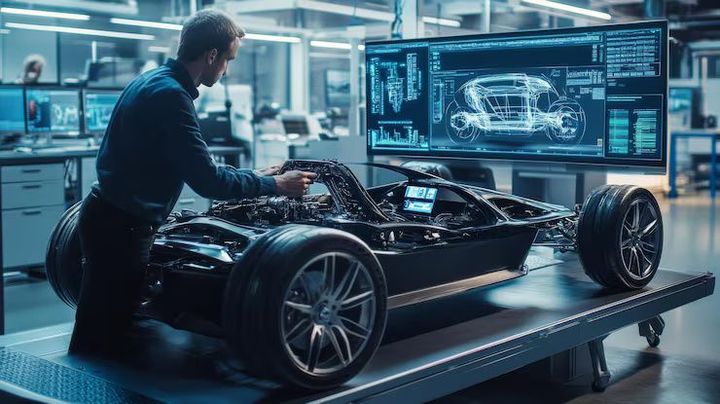
Modern testing technology therefore combines mechanical measurements with electrical, thermal, software, and emissions data. A typical hybrid powertrain test setup can include a dynamometer, torque and speed sensors, battery simulation equipment, power analyzers, temperature sensors, data acquisition hardware, and automated control software.
The main purpose is to measure how the powertrain behaves during different driving conditions. Engineers can examine acceleration, energy consumption, regenerative braking, thermal behavior, battery state of charge, motor performance, engine operation, and system efficiency.
What a hybrid powertrain includes
A hybrid vehicle powertrain generally contains several interconnected systems:
- Internal combustion engine
- Electric motor or motors
- High-voltage battery
- Inverter and power electronics
- Transmission or reduction gearing
- Battery management system
- Hybrid control unit
- Cooling and thermal management systems
- Regenerative braking components
Each component can be tested independently, but complete powertrain testing is important because the components influence one another during actual operation.
Why specialized testing is necessary
A conventional engine test may concentrate on combustion, torque, speed, temperatures, pressures, and emissions. A hybrid system requires additional measurements because electrical energy is constantly being converted between the battery, inverter, motor, engine, and wheels.
For example, regenerative braking changes the direction of energy flow. Instead of the motor only using electrical energy to produce motion, it can operate as a generator and return energy to the battery. A suitable hybrid vehicle powertrain testing system must therefore accommodate both driving and energy recovery conditions.
Importance
Hybrid vehicle powertrain testing matters because vehicle performance depends on the coordination of mechanical and electrical systems. A small difference in control strategy can change how frequently the engine operates, how much electrical energy is used, and how much energy is recovered during braking.
Testing also helps identify problems before they appear during wider vehicle operation. Engineers can reproduce specific driving cycles repeatedly and compare measurements from different configurations.
Problems addressed through testing
Powertrain testing can help investigate:
- Unexpected energy consumption
- Inefficient engine and motor coordination
- Battery temperature changes
- Regenerative braking behavior
- Motor torque fluctuations
- Inverter performance
- Transmission behavior
- Cooling system limitations
- Control software responses
- Exhaust emissions under different operating conditions
The testing process is relevant to vehicle manufacturers, component developers, laboratories, regulatory organizations, and engineering teams. It also indirectly affects everyday drivers because laboratory validation contributes to the development of vehicles that must meet defined performance, emissions, durability, and safety requirements.
Main testing measurements
| Measurement area | Typical information examined |
|---|---|
| Torque | Mechanical force produced by the powertrain |
| Speed | Engine, motor, shaft, or wheel rotational speed |
| Electrical power | Voltage, current, and energy flow |
| Battery | State of charge, temperature, voltage, and current |
| Motor | Torque, speed, efficiency, and operating response |
| Engine | Power, fuel use, temperatures, and emissions |
| Thermal system | Coolant, oil, battery, and component temperatures |
| Regenerative braking | Recovered energy and braking response |
| Emissions | Exhaust gases and related measurements |
| Control system | Commands, operating modes, and system responses |
Role of dynamometers
A dynamometer is one of the central components in modern powertrain testing. It applies controlled loads or drives the powertrain at specified speeds so that engineers can reproduce different operating conditions without relying on uncontrolled road traffic.
Chassis dynamometers can test complete vehicles, while powertrain dynamometers can be used with an engine, transmission, motor, or combined drivetrain assembly. Modern systems can also simulate road loads, acceleration patterns, braking events, and changing operating conditions.
Recent Updates
From 2024 through 2026, hybrid vehicle testing has increasingly moved toward integrated systems that combine mechanical testing with electrical simulation, software control, and detailed data analysis.
One important trend is the wider use of high-voltage testing equipment. Hybrid and plug-in hybrid vehicles can use electrical systems with substantial power levels, requiring test equipment capable of accurately controlling and measuring voltage, current, torque, and regenerative energy.
More integrated testing
Modern test benches increasingly connect dynamometers, battery simulators, power analyzers, control units, and data acquisition systems. Instead of examining each measurement independently, engineers can analyze energy flow across the complete powertrain.
Hardware-in-the-loop testing is also becoming more important. In this approach, physical components can operate alongside simulated vehicle or powertrain models. This allows certain conditions to be reproduced without physically constructing every part of the complete vehicle.
Digital twins and virtual validation
Digital-twin concepts are another developing area. A digital representation of a powertrain can be connected with measurements from physical equipment. Engineers can then compare simulated behavior with real test data.
This approach can help identify differences between expected and measured performance earlier in development. It also supports testing of multiple operating scenarios before all physical components are available.
Greater attention to energy flow
Testing is increasingly focused on the complete energy pathway rather than only engine output. Measurements may follow energy from the battery to the inverter and motor, through the transmission and wheels, and back toward the battery during regenerative braking.
This approach is particularly useful for evaluating hybrid operating strategies, because engine operation, battery state, motor assistance, and regenerative braking can change continuously during a drive cycle.
Laws or Policies
Hybrid vehicle testing is influenced by vehicle certification, emissions, fuel-consumption, energy-consumption, and safety requirements. Exact rules differ between jurisdictions, vehicle categories, and powertrain configurations.
In regulatory testing, controlled driving cycles are used to create repeatable conditions. Depending on the applicable framework, testing may examine fuel consumption, carbon dioxide emissions, electric energy consumption, electric driving range, exhaust pollutants, and other technical parameters.
Emissions and fuel-consumption testing
Hybrid vehicles can require specialized procedures because the engine may switch on and off during a test. The battery's state of charge can also influence how much electrical assistance is available.
Regulatory frameworks therefore define procedures for preparing the vehicle, controlling the test cycle, measuring energy use, and calculating relevant results. Some systems distinguish between conditions in which the vehicle operates primarily with stored electrical energy and conditions where the engine contributes more significantly.
Global regulatory direction
Many regulatory systems are moving toward more representative and repeatable testing procedures. International frameworks such as the Worldwide Harmonized Light Vehicles Test Procedure provide structured driving cycles for evaluating emissions, fuel consumption, and electrical energy use.
For readers outside a particular jurisdiction, the important point is that requirements are not identical worldwide. Vehicle manufacturers and testing laboratories must follow the rules applicable to the market and vehicle category being evaluated.
Tools and Resources
Modern hybrid vehicle powertrain testing systems rely on several types of hardware and software. Each tool has a different role in collecting reliable measurements.
Dynamometers
Powertrain and chassis dynamometers reproduce controlled mechanical loads. They can measure torque and rotational speed while applying specific operating conditions.
Battery simulators and cyclers
Battery simulators can provide controlled electrical conditions to powertrain components during laboratory testing. Battery cyclers are used for controlled charging and discharging studies, depending on the testing objective.
Power analyzers
Power analyzers measure electrical quantities such as voltage, current, active power, and energy. They are particularly useful for evaluating inverter and motor behavior.
Data acquisition systems
Data acquisition equipment collects signals from sensors installed throughout the test setup. Temperature, pressure, torque, speed, voltage, and current can be recorded simultaneously.
Hardware-in-the-loop platforms
Hardware-in-the-loop platforms connect physical components to computer-based simulations. They can reproduce vehicle conditions and control signals while keeping some parts of the system in a laboratory environment.
Test automation software
Automation platforms can execute predefined test sequences, record measurements, manage operating conditions, and organize large datasets. Automated procedures are useful when the same test must be repeated under multiple conditions.
Thermal testing equipment
Temperature has a major influence on batteries, motors, inverters, engines, and transmissions. Environmental chambers and thermal-control systems can reproduce selected temperature conditions for controlled testing.
FAQs
What is a hybrid vehicle powertrain testing system?
A hybrid vehicle powertrain testing system is a collection of dynamometers, sensors, electrical equipment, data acquisition hardware, and control software used to evaluate how hybrid powertrain components operate together.
How does hybrid powertrain testing work?
The system places the powertrain or complete vehicle under controlled operating conditions. Sensors measure mechanical, electrical, thermal, and emissions-related information while the test equipment reproduces defined driving or load conditions.
Why is a dynamometer important in hybrid vehicle testing?
A dynamometer allows engineers to reproduce controlled speed, torque, and road-load conditions. Advanced systems can also accommodate regenerative braking and bidirectional energy flow.
What does modern testing technology measure in a hybrid vehicle?
Modern testing technology can measure engine output, electric motor torque, battery state of charge, voltage, current, energy flow, temperatures, regenerative braking, emissions, and control-system responses.
Are hybrid and plug-in hybrid vehicles tested in the same way?
They share many testing principles, but their procedures can differ because plug-in hybrid vehicles have larger externally rechargeable batteries and can operate for longer periods using stored electrical energy. Applicable testing requirements determine the specific procedures.
Conclusion
Hybrid vehicle powertrain testing systems provide controlled methods for evaluating the interaction between engines, electric motors, batteries, transmissions, electronics, and control software. Modern testing technology increasingly combines dynamometers, battery simulation, automated data collection, thermal testing, and virtual models. Regulatory procedures also shape how fuel consumption, emissions, and electrical energy use are measured. Together, these testing methods provide structured data for understanding hybrid powertrain behavior under repeatable conditions.