Industrial Generator Rental: Complete Guide to Power Solutions
Learn how industrial generator rentals provide temporary power for construction, events, and emergency backup. Explore types, sizing, costs, and selection criteria.
Industrial generator rentals provide temporary, scalable power solutions for businesses facing temporary power shortages, construction projects, special events, emergency situations, or facility maintenance. Unlike purchasing equipment, renting offers flexibility, reduces capital expenditure, eliminates long-term maintenance responsibility, and provides access to modern, well-maintained equipment. Understanding generator specifications, rental options, and selection criteria ensures reliable power continuity while optimizing operational costs and minimizing downtime.
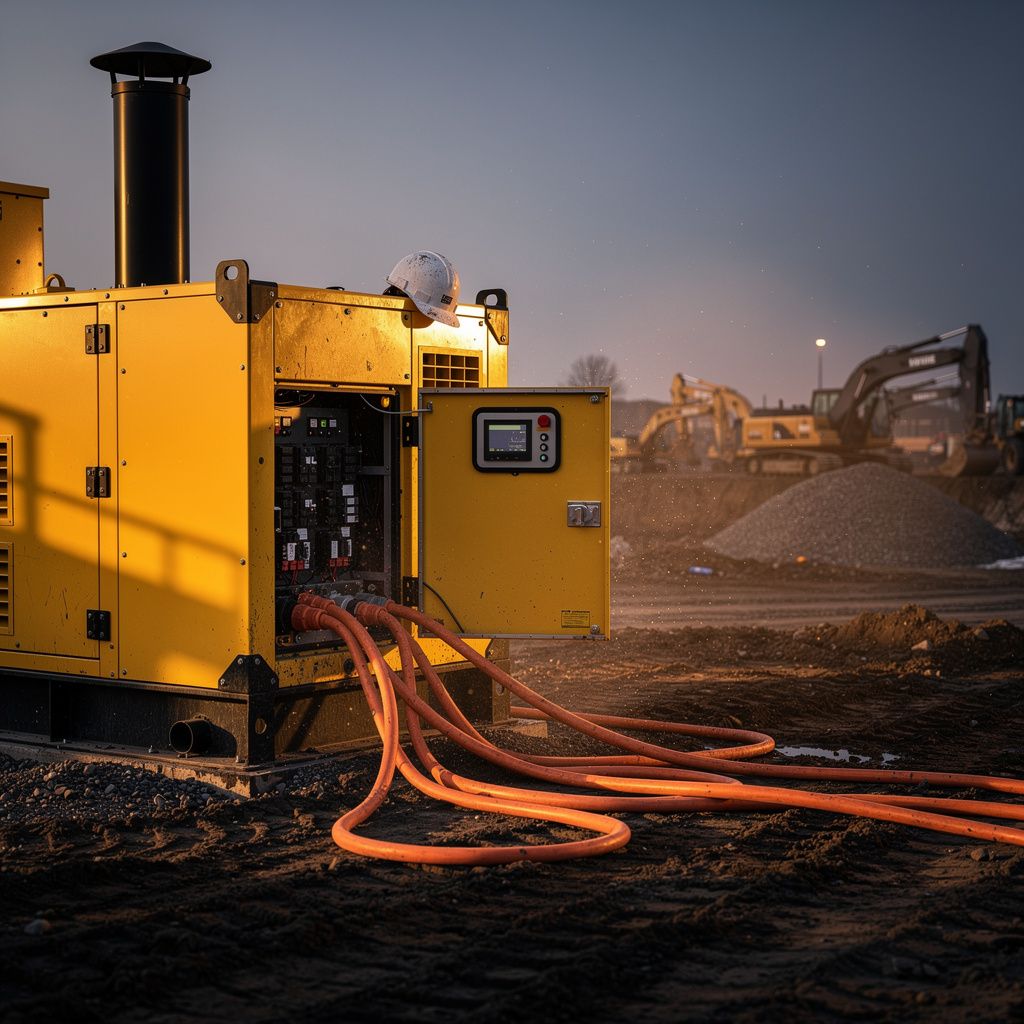
Core Benefits and Practical Limitations of Industrial Generator Rentals
Industrial generator rentals deliver significant operational advantages for temporary power needs. The primary benefit is financial flexibility—organizations avoid capital equipment purchases, reducing initial investment by 60-80% compared to ownership. Rental agreements typically include regular maintenance, inspections, and equipment replacement, eliminating ongoing operational costs. For seasonal operations or temporary projects, renting provides cost-effective solutions without long-term financial commitment.
Scalability represents another critical advantage. As power demands fluctuate, rental fleets allow businesses to scale equipment up or down without asset management complexity. Rental providers maintain diverse equipment inventories, enabling rapid deployment of appropriately sized generators for specific project requirements.
However, practical limitations exist. Long-term rental costs (12+ months) may exceed equipment purchase prices, making ownership more economical for permanent installations. Availability constraints during peak seasons can delay equipment delivery. Rental contracts often include fuel surcharges, transportation fees, and minimum rental periods that increase total costs. Additionally, rented equipment may not match custom specifications or integration requirements for specialized industrial applications.
Generator Types and Technical Specifications
Industrial generators are categorized by fuel type, power output, and operational characteristics. Each category serves distinct applications with varying efficiency, emissions, and cost profiles.
Diesel Generators: High Power Output and Fuel Efficiency
Diesel generators dominate industrial rental markets due to superior fuel efficiency, delivering 3-7 miles per gallon equivalent compared to 1-3 mpg for gasoline units. Diesel engines operate at lower RPMs (1200-1800) with extended service intervals, reducing maintenance frequency. These generators excel in continuous-duty applications, delivering consistent power for 24+ hour operations. Diesel fuel storage stability exceeds gasoline, making it suitable for standby applications. Power outputs range from 10 kVA to 2000+ kVA, accommodating everything from small construction sites to large industrial facilities. Disadvantages include higher initial costs, louder operation (75-95 dB), and stricter emissions regulations in certain jurisdictions.
Natural Gas Generators: Lower Emissions and Operational Costs
Natural gas generators connect directly to existing gas infrastructure, eliminating fuel storage and delivery logistics. These units produce 20-30% fewer emissions than diesel equivalents, meeting stricter environmental standards. Operating costs remain lower when natural gas pricing is favorable. Natural gas generators typically operate at 1500-1800 RPM with power outputs from 20 kVA to 500 kVA. Limitations include dependency on gas infrastructure availability, lower power density (requiring larger physical footprints for equivalent output), and inability to operate during gas supply interruptions.
Hybrid and Multi-Fuel Systems: Operational Flexibility
Advanced hybrid generators combine diesel and natural gas capabilities, automatically switching fuels based on availability and cost optimization. These systems reduce operational expenses during natural gas price advantages while maintaining diesel reliability during supply constraints. Hybrid systems typically cost 15-25% more than single-fuel units but provide strategic flexibility for extended operations.
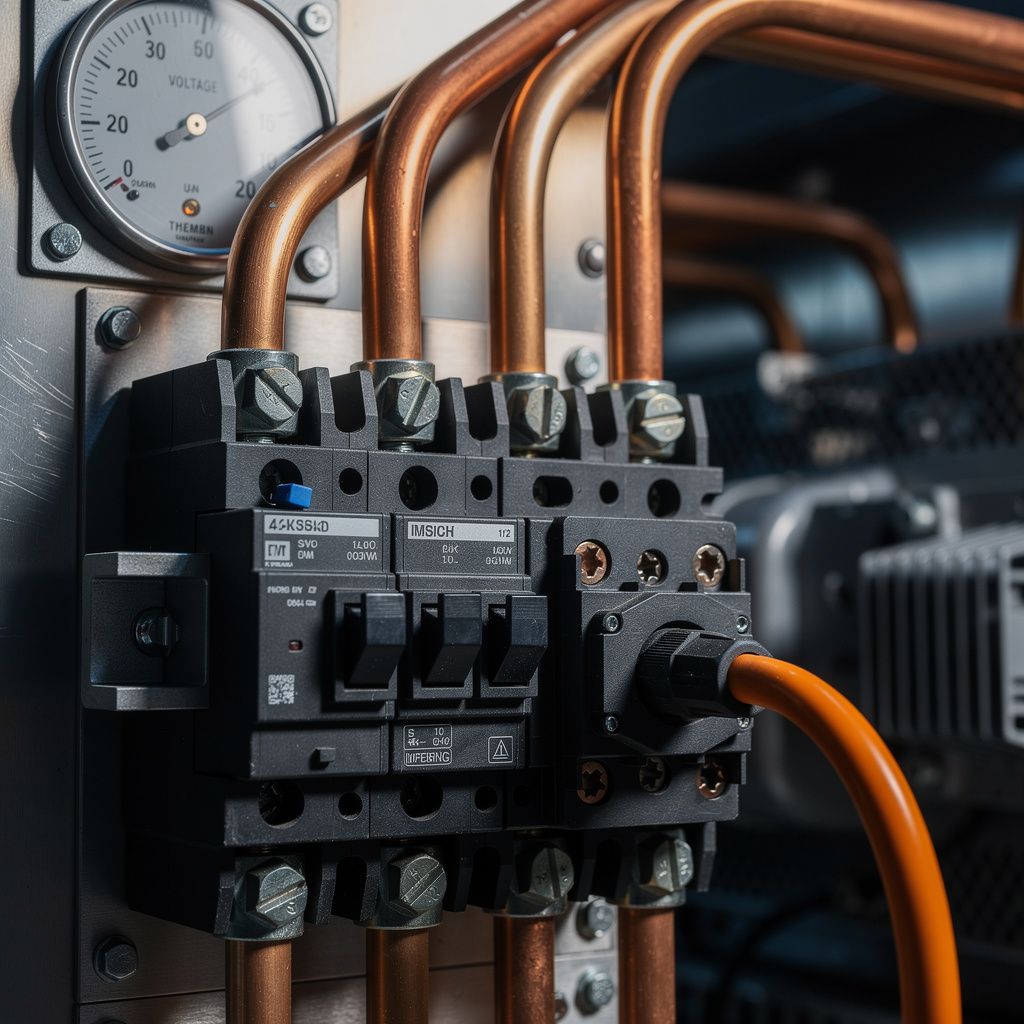
Power Output Specifications and Sizing Calculations
Generator power is measured in kilowatts (kW) and kilovolt-amperes (kVA). Understanding these metrics ensures proper equipment selection and prevents undersizing or oversizing.
kW (Kilowatts) measures real power delivered to equipment. kVA (Kilovolt-Amperes) measures apparent power, the combination of real power and reactive power. The relationship is: kW = kVA × Power Factor. Most industrial equipment operates at 0.8-0.9 power factor, meaning a 100 kVA generator delivers approximately 80-90 kW of usable power.
Proper sizing requires calculating total connected load (sum of all equipment power requirements) and applying demand factors. Construction sites typically use 60-80% of connected load simultaneously, while continuous industrial operations approach 100% demand. Adding 20-30% capacity margin prevents overloading and extends generator lifespan.
For example, a construction site with 150 kW connected load (cranes, compressors, lighting, tools) requires a generator rated 180-195 kW (150 × 1.3) with 225-244 kVA capacity, accounting for 0.8 power factor.
Current Industry Trends and Technological Innovations
The industrial generator rental market evolves rapidly with technological advancement and environmental regulations. Modern generators incorporate advanced features enhancing efficiency, reliability, and environmental compliance.
Automated Load Management Systems monitor power consumption in real-time, automatically adjusting generator output to match demand. These systems reduce fuel consumption by 15-25% during partial-load operations, lowering operational costs and emissions.
Emissions Control Technology meets increasingly stringent environmental standards. Selective Catalytic Reduction (SCR) systems reduce nitrogen oxide emissions by 90%, while Diesel Particulate Filters (DPF) eliminate 99% of particulate matter. These technologies enable operation in environmentally sensitive areas and urban construction zones.
Remote Monitoring and Predictive Maintenance utilize IoT sensors tracking engine temperature, fuel consumption, runtime, and maintenance intervals. Rental providers proactively schedule maintenance, preventing unexpected failures and extending equipment reliability. Customers access real-time performance data through mobile applications.
Fuel-Efficient Engine Designs incorporate advanced combustion technology, turbocharging, and variable valve timing, improving fuel efficiency by 10-20% compared to legacy systems. Lower fuel consumption reduces operational costs and environmental impact.
Key Features and Specifications to Evaluate
Selecting appropriate industrial generators requires evaluating multiple technical and operational specifications beyond basic power output.
| Specification | Impact on Performance | Evaluation Criteria |
|---|---|---|
| Fuel Consumption Rate | Determines operational costs and refueling frequency | 0.05-0.15 gallons per kWh; lower is more efficient |
| Noise Level (dB) | Affects site suitability and worker comfort | 75-95 dB at full load; <85 dB preferred for urban areas |
| Voltage Regulation | Protects sensitive equipment from power fluctuations | ±3-5% voltage stability required for most equipment |
| Frequency Stability | Ensures compatible operation with facility systems | 50/60 Hz ±0.5 Hz for standard industrial equipment |
| Cold Start Capability | Enables operation in extreme temperatures | Glow plugs or block heaters for sub-freezing operation |
| Transfer Switch Integration | Enables seamless switchover from utility to generator | Automatic transfer switches (ATS) for critical loads |
Industry Landscape and Notable Applications
Industrial generator rentals serve diverse sectors with specific operational requirements and regulatory compliance needs.
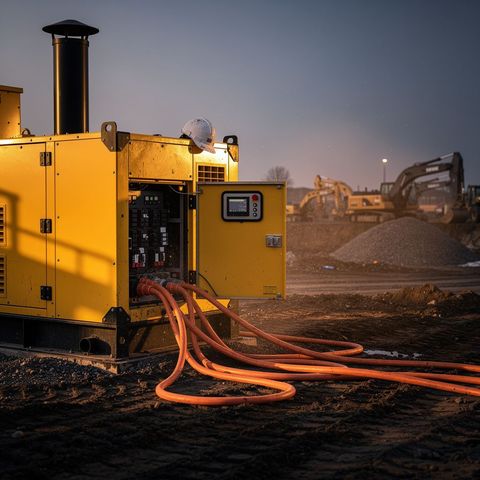
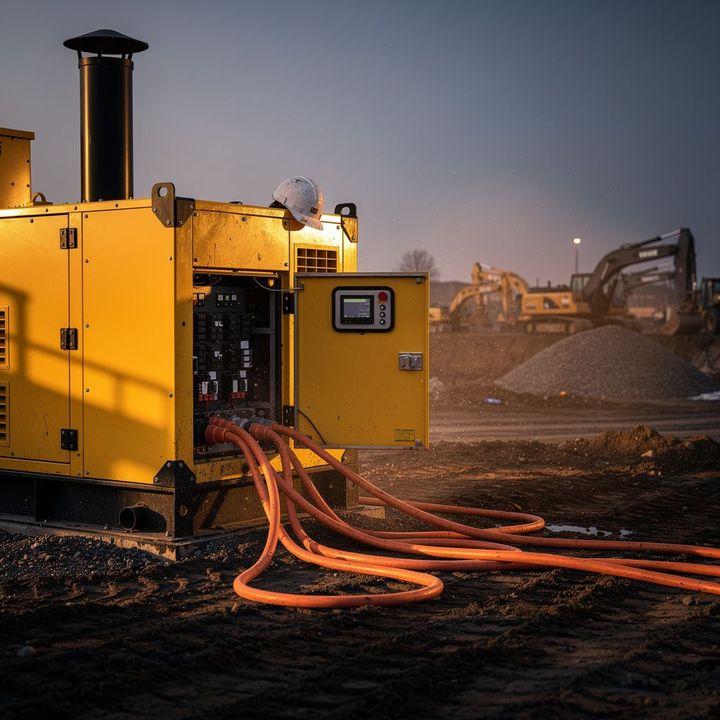
Construction and Infrastructure represents the largest rental market segment, with generators powering cranes, compressors, lighting systems, and temporary facilities. Construction sites require rapid deployment, frequent relocations, and variable power demands, making rentals ideal.
Special Events and Entertainment utilize generators for outdoor concerts, festivals, sporting events, and temporary installations. These applications demand portable units (20-100 kVA) with low noise profiles and aesthetic considerations.
Emergency and Disaster Response relies on generator rentals for hospitals, emergency shelters, water treatment facilities, and critical infrastructure during utility outages. These applications prioritize reliability, rapid deployment, and extended runtime capability.
Industrial Manufacturing uses generators during facility maintenance, equipment upgrades, or utility supply disruptions. Manufacturing applications require precise power quality, frequency stability, and continuous operation capability.
Data Centers and Telecommunications employ generators as backup power systems, protecting critical infrastructure from outages. These applications demand exceptional reliability, automatic transfer capabilities, and fuel efficiency for extended runtime scenarios.
Generator Selection and Decision-Making Framework
Selecting appropriate industrial generators requires systematic evaluation of power requirements, operational constraints, and cost factors.
Step 1: Calculate Total Power Requirements
Document all equipment requiring power, including nameplate ratings (kW or horsepower). Sum connected loads and apply demand factors based on simultaneous operation patterns. Add 20-30% capacity margin for safety and future expansion. This calculation determines minimum generator kVA rating.
Step 2: Assess Operational Duration and Fuel Logistics
Determine required runtime duration. Short-term applications (hours to days) prioritize rapid deployment and portability. Extended operations (weeks to months) emphasize fuel efficiency and automated refueling logistics. Calculate total fuel consumption and verify fuel storage capacity or delivery logistics availability.
Step 3: Evaluate Environmental and Regulatory Constraints
Identify applicable emissions standards, noise restrictions, and environmental regulations. Urban construction sites may require low-noise (<85 dB) and low-emissions equipment. Rural industrial applications have fewer constraints but may require specific fuel types based on infrastructure availability.
Step 4: Compare Rental Terms and Total Cost of Ownership
Obtain quotes from multiple rental providers including base rental rates, fuel surcharges, transportation fees, delivery/pickup costs, and maintenance responsibilities. Calculate total cost for projected rental duration. Compare against equipment purchase prices for extended rentals exceeding 12-18 months.
Step 5: Verify Equipment Condition and Maintenance Protocols
Request maintenance records, service schedules, and equipment inspection documentation. Confirm rental agreements include regular maintenance, emergency support, and equipment replacement provisions. Verify fuel quality standards and contamination prevention measures.
Actionable Tips and Practical Best Practices
Conduct Load Testing before deployment by operating all equipment simultaneously to verify actual power consumption. Nameplate ratings often exceed actual consumption, and load testing prevents oversizing and unnecessary rental costs.
Implement Preventive Maintenance by following manufacturer schedules including oil changes, filter replacements, and inspections. Regular maintenance extends equipment lifespan, reduces failure risk, and maintains fuel efficiency.
Optimize Fuel Management by monitoring consumption rates, maintaining fuel quality standards, and preventing contamination. Clean fuel filters and water separators prevent equipment damage and ensure consistent performance.
Establish Clear Communication Protocols with rental providers regarding emergency support, equipment issues, and maintenance scheduling. Documented communication prevents service delays during critical operations.
Plan for Load Variations by identifying peak power demands and implementing load management strategies. Staggering equipment startup times reduces peak demand and prevents generator overloading.
Document Baseline Performance Metrics including fuel consumption, runtime, voltage output, and frequency stability. Regular monitoring identifies performance degradation indicating maintenance needs.
Comprehensive FAQ Section
What is the difference between kW and kVA generator ratings?
kW (kilowatts) measures real power delivered to equipment, while kVA (kilovolt-amperes) measures apparent power including reactive components. The relationship depends on power factor: kW = kVA × Power Factor. Most industrial equipment operates at 0.8-0.9 power factor, so a 100 kVA generator delivers 80-90 kW usable power. Understanding this distinction prevents undersizing generators for inductive loads like motors and transformers.
How do I calculate the correct generator size for my application?
Sum the power ratings of all equipment requiring simultaneous operation, apply demand factors (typically 60-80% for construction, 100% for continuous industrial), and add 20-30% safety margin. For example: 50 kW connected load × 0.75 demand factor × 1.25 safety margin = 47 kVA minimum generator rating. Consult equipment specifications or hire electrical professionals for complex installations with variable loads.
What are typical fuel consumption rates for industrial generators?
Diesel generators consume 0.05-0.15 gallons per kWh depending on engine efficiency and load level. A 100 kW diesel generator at 75% load consumes approximately 7-10 gallons per hour. Natural gas generators consume 0.25-0.35 cubic feet per kWh. Fuel consumption increases at partial loads due to engine inefficiency, so proper sizing prevents excessive fuel waste.
Should I rent or purchase a generator for my business?
Rent for temporary applications (less than 12-18 months), variable power needs, or when capital expenditure is constrained. Rental includes maintenance, equipment replacement, and operational support. Purchase for permanent installations, continuous operations, or when total rental costs exceed equipment purchase prices. Calculate total cost of ownership including purchase price, maintenance, fuel, storage, and insurance to make informed decisions.
What maintenance is required during generator rental periods?
Most rental agreements include regular maintenance performed by providers. However, site operators should monitor fuel quality, check oil levels weekly, inspect connections for corrosion, and verify cooling system operation. Report any performance changes, unusual noises, or warning lights immediately to rental providers. Preventive maintenance prevents equipment failure and maintains warranty coverage.
How do emissions standards affect generator selection?
Increasingly strict environmental regulations require generators meeting EPA Tier 3 or Tier 4 standards, reducing nitrogen oxide and particulate emissions by 50-95%. Urban construction sites and environmentally sensitive areas mandate low-emissions equipment. Natural gas and hybrid generators typically produce lower emissions than diesel. Verify applicable local regulations before selecting equipment to ensure compliance and avoid operational restrictions.
Conclusion and Actionable Key Takeaways
Industrial generator rentals provide flexible, cost-effective power solutions for temporary operations, emergency backup, and variable-demand applications. Success requires understanding power specifications (kW vs kVA), selecting appropriately sized equipment (connected load × demand factor × safety margin), and evaluating operational factors including fuel efficiency, emissions compliance, and maintenance protocols.
Key takeaways for effective generator rental management: (1) Calculate precise power requirements to prevent undersizing or oversizing; (2) Compare total rental costs including fuel, transportation, and maintenance against equipment purchase prices for extended rentals; (3) Verify emissions compliance with local regulations; (4) Establish clear maintenance protocols with rental providers; (5) Monitor fuel consumption and performance metrics to identify efficiency issues; (6) Plan for load variations and implement load management strategies; (7) Document baseline performance data for ongoing optimization.
By systematically evaluating power requirements, operational constraints, and cost factors, organizations can select industrial generators delivering reliable power continuity while optimizing operational efficiency and minimizing downtime.