Wind Turbine Blades: Design, Technology, Recycling and Trends
Wind turbine blades are engineered composite structures that capture wind energy and convert it into rotational motion. Learn about their design, importance, recent developments, regulations, recycling, and useful resources.
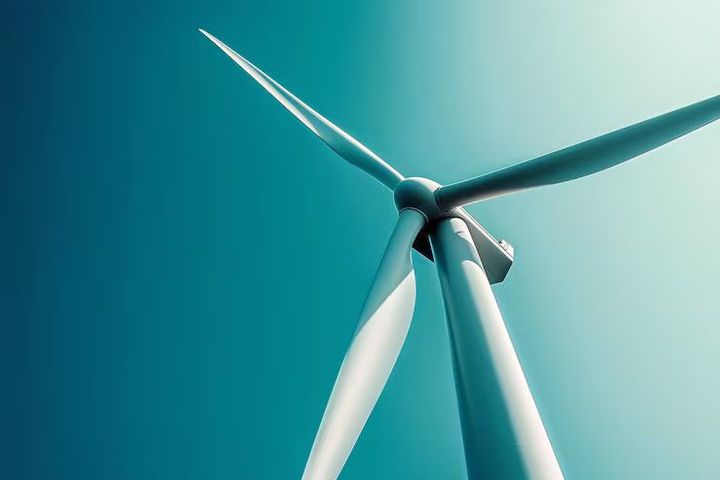
Wind turbine blades are long aerodynamic structures attached to a rotor. As wind moves across the blade surface, it creates aerodynamic lift that turns the rotor. The rotating motion is then transferred through the turbine's mechanical and electrical systems to generate electricity.
Modern blades are generally made from lightweight composite materials such as fiberglass, carbon fiber, resin, foam, and other structural materials. Their design must balance strength, flexibility, weight, aerodynamic performance, and resistance to environmental conditions.
Blade length has increased significantly as turbine technology has developed. Larger rotors can sweep a greater area and capture more available wind. The U.S. Department of Energy reported that the average rotor diameter of newly installed U.S. wind turbines exceeded 133.8 meters in 2023.
Basic Blade Characteristics
Important characteristics include:
- Aerodynamic profile and shape
- Blade length and rotor diameter
- Composite material selection
- Structural strength
- Lightning and erosion resistance
- Weight distribution
- Fatigue resistance
- Manufacturing and transportation requirements
Why Wind Turbine Blades Matter
Supporting Modern Wind Energy
Blade performance directly affects how effectively a turbine captures wind. Longer blades can increase the swept area and make it possible to capture energy from lower-wind conditions. This has helped drive continued development of larger wind turbine designs.
Blade engineering also affects turbine reliability. Exposure to rain, ice, lightning, temperature changes, ultraviolet radiation, and repeated mechanical loading can gradually affect blade materials.
Environmental and Lifecycle Considerations
End-of-life management is an important issue because composite materials are more difficult to recycle than metals. According to the U.S. Department of Energy, approximately 85%–90% of a wind turbine's mass consists of materials that can already be recycled commercially, while composite components such as blades remain more challenging.
| Blade Area | Main Consideration |
|---|---|
| Aerodynamic surface | Wind capture |
| Structural layers | Strength and durability |
| Resin system | Composite bonding |
| Blade root | Rotor connection |
| Leading edge | Environmental protection |
| Tip | Aerodynamic performance |
Recent Wind Turbine Blade Developments
Larger and More Advanced Blades
Recent wind technology has continued moving toward larger rotor diameters and advanced composite structures. Longer blades can capture more wind, but they also create engineering challenges involving transportation, manufacturing, structural loads, and installation.
Recycling Research
Blade recycling has received increasing attention in the United States. In December 2024, the U.S. Department of Energy announced a funding opportunity of up to $20 million focused on improving recycling technologies for wind energy materials, particularly fiber-reinforced composites and rare-earth-containing components.
In January 2025, DOE reported that existing U.S. infrastructure could process approximately 90% of the mass of decommissioned wind turbines, while the remaining materials require additional recycling strategies and technologies.
Current research includes mechanical processing, thermal decomposition, improved composite design, material recovery, and blade designs intended to support future recycling.
Repowering and End-of-Life Planning
The DOE's end-of-service guidance also highlights repowering, decommissioning, and blade processing as important parts of wind project planning. More than 14 gigawatts of U.S. wind projects had already been fully or partially repowered, with additional repowering expected through 2026.
Laws, Policies, and Regulatory Considerations
U.S. Regulatory Framework
Wind turbine blade projects can be affected by federal, state, and local requirements. Rules may address environmental review, land use, transportation, construction, waste management, and project decommissioning.
The treatment of retired blades can also depend on state and local waste-management requirements. The DOE notes that composite blade materials have historically presented challenges because recycling infrastructure has been less developed than infrastructure for metals.
Federal programs have also supported research into wind turbine recycling, recyclable materials, and domestic wind-energy supply chains. These programs are intended to improve material recovery and reduce lifecycle waste.
Tools and Resources for Learning
Helpful Resources
Useful educational resources include:
- Wind turbine blade sizing calculators
- Rotor diameter and swept-area calculators
- Wind-speed and energy-production models
- Blade inspection checklists
- Composite-material reference guides
- Lifecycle assessment templates
- Wind-resource assessment tools
- End-of-service planning worksheets
- Renewable-energy engineering textbooks
- Government wind-energy research databases
These resources can help students, researchers, engineers, educators, and general readers understand blade design and lifecycle management.
Frequently Asked Questions
How long do wind turbine blades last?
Blade lifespan varies according to design, operating conditions, maintenance, environmental exposure, and turbine usage. Many wind projects plan around an operational period of roughly 15–25 years, although individual components may have different lifecycles.
Why are wind turbine blades difficult to recycle?
Many blades contain fiber-reinforced composite materials in which fibers and resin are strongly bonded. Separating these materials while maintaining useful material properties can be technically challenging.
Can old wind turbine blades be reused?
Yes. Depending on their condition and composition, retired blades can potentially be repurposed or processed through mechanical or thermal recycling methods. Research is also investigating recovered materials for new composite applications.
Why are turbine blades becoming longer?
Longer blades increase rotor swept area, allowing turbines to interact with more wind. This can improve energy capture, particularly at locations with suitable lower wind speeds.
What happens to blades at the end of their operating life?
Possible pathways include continued use after inspection, repowering, repurposing, mechanical recycling, thermal processing, or disposal where permitted. The appropriate approach depends on the blade condition, available infrastructure, regulations, and material characteristics.
Conclusion
Wind turbine blades are central to modern wind-energy technology because their aerodynamic and structural characteristics influence how effectively turbines capture wind. Increasing blade size has expanded turbine performance possibilities while also creating new challenges involving materials, transportation, inspection, and end-of-life management.
Recycling is becoming an increasingly important area of research. U.S. programs are supporting technologies for recovering composite materials and developing blades that are easier to process at the end of their useful life. These developments show that blade engineering is increasingly concerned not only with performance during operation but also with the complete lifecycle of wind-energy equipment.
Disclaimer: This article is provided for general educational purposes. Regulations, technical requirements, project conditions, and waste-management rules can vary by location and may change over time. Readers should verify applicable requirements with the relevant government authority or qualified technical professional.