Industrial Process Pumps: Ultimate Guide and Best Practices
Learn how industrial process pumps operate, their types, applications, and selection criteria. Explore key features, industry trends, and best practices for optimal performance.
Industrial process pumps are fundamental equipment in countless manufacturing and processing operations worldwide. These mechanical devices move fluids—liquids, slurries, or gases—through pipelines and systems, enabling critical processes in chemical plants, refineries, water treatment facilities, power generation stations, and food processing operations. Understanding how industrial pumps work, their various types, and how to select the right pump for your application is essential for maintaining efficient operations and minimizing downtime.
Understanding Industrial Process Pumps
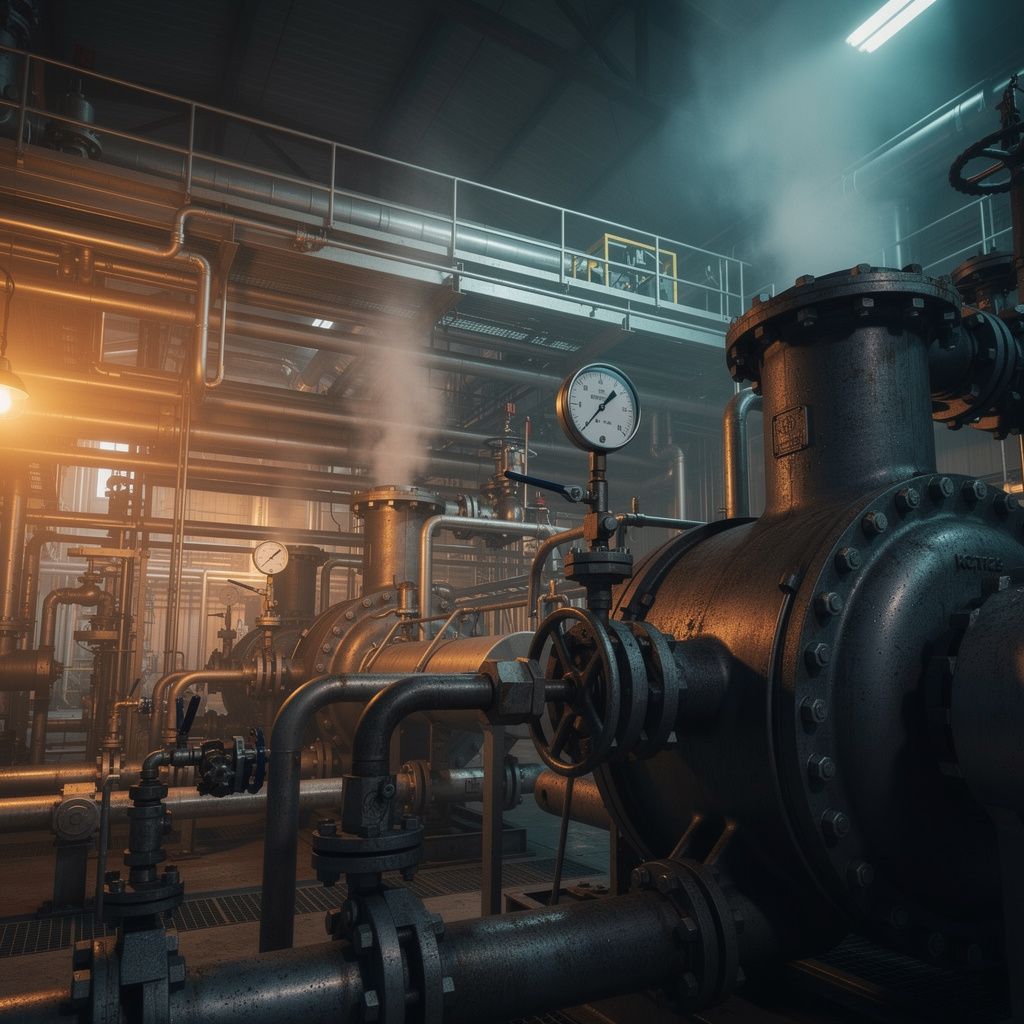
An industrial process pump is a mechanical device designed to move fluids from one location to another by converting mechanical energy into hydraulic energy. The pump creates pressure differences that force fluid through a system, overcoming resistance and elevation changes. Industrial pumps differ from consumer-grade pumps in their capacity to handle high pressures, corrosive materials, abrasive slurries, and continuous operation under demanding conditions.
The fundamental principle behind all pumps involves creating a pressure differential. When a pump operates, it removes fluid from the inlet, creating a low-pressure zone, while simultaneously pushing fluid out through the discharge, creating a high-pressure zone. This pressure difference drives fluid movement through the system, regardless of the pump type or design.
Benefits and Limitations of Industrial Process Pumps
Key Benefits
- Reliable fluid transfer in continuous industrial processes
- Ability to handle high pressures, temperatures, and corrosive materials
- Scalable capacity for small-scale operations to large industrial applications
- Improved efficiency through modern pump designs and materials
- Reduced manual labor and improved workplace safety
- Precise flow control for process optimization
Limitations to Consider
- High initial capital investment for quality equipment
- Ongoing maintenance and operational costs
- Energy consumption can be substantial in large-scale operations
- Cavitation and wear issues in certain applications
- Noise and vibration in some pump types
- Space requirements for installation and maintenance access
Types of Industrial Process Pumps
Centrifugal Pumps
Centrifugal pumps are the most widely used industrial pumps, accounting for the majority of pump installations globally. They operate by using a rotating impeller to accelerate fluid radially outward, converting kinetic energy into pressure. These pumps excel at handling large volumes of low-viscosity fluids at moderate to high pressures. Common applications include water circulation, cooling systems, and general fluid transfer in chemical plants.
Positive Displacement Pumps
Positive displacement pumps move fluid by trapping a fixed volume and forcing it through the discharge. This category includes gear pumps, screw pumps, piston pumps, and diaphragm pumps. These pumps maintain consistent flow rates regardless of pressure changes and excel at handling viscous fluids, slurries, and abrasive materials. They're ideal for applications requiring precise metering and high-pressure operations.
Specialty Pumps
Specialty pumps address specific industrial needs, including submersible pumps for deep well applications, peristaltic pumps for handling delicate or contamination-sensitive fluids, magnetic drive pumps for hazardous chemical transfer, and progressive cavity pumps for non-Newtonian fluids. Each specialty pump type solves particular challenges in unique industrial environments.
Comparison of Major Pump Types
| Pump Type | Flow Characteristics | Pressure Range | Best Applications | Maintenance Level |
|---|---|---|---|---|
| Centrifugal | Variable with pressure | Low to moderate | Water, cooling, general transfer | Moderate |
| Gear | Constant flow | High | Viscous fluids, lubrication | Moderate to high |
| Piston | Constant flow | Very high | Hydraulic systems, high pressure | High |
| Peristaltic | Constant flow | Low to moderate | Sensitive fluids, food, pharma | Low |
| Screw | Constant flow | Moderate to high | Slurries, abrasive materials | Moderate |
Current Industry Trends
Energy Efficiency Focus
Modern industrial operations prioritize energy efficiency to reduce operational costs and environmental impact. Variable frequency drives (VFDs) are increasingly paired with pumps to adjust motor speed based on system demands, significantly reducing energy consumption compared to fixed-speed operation.
Smart Pump Technology
IoT sensors and monitoring systems integrated into pump installations enable real-time performance tracking, predictive maintenance, and remote diagnostics. These smart systems help identify potential failures before they occur, reducing unplanned downtime and extending equipment lifespan.
Sustainable Materials
Industrial pumps now incorporate advanced materials designed for corrosion resistance, reduced environmental impact, and extended service life. Innovations in coating technologies and material science enable pumps to operate in increasingly challenging environments.
Modular and Flexible Designs
Manufacturers are developing modular pump systems that adapt to changing production requirements without complete system replacement, supporting lean manufacturing principles and reducing capital expenditures.
Essential Features of Industrial Process Pumps
Pressure and Flow Rating
Every industrial pump has specified maximum pressure and flow rate capabilities. These ratings determine whether a pump suits a particular application. Operating outside these specifications leads to premature failure and safety hazards.
Material Compatibility
Pump materials must resist corrosion, erosion, and chemical degradation from the fluids being pumped. Cast iron, stainless steel, bronze, and specialized alloys are selected based on fluid properties and operating conditions.
Seal Systems
Mechanical seals prevent fluid leakage at the pump shaft penetration point. Seal selection depends on fluid type, temperature, pressure, and environmental requirements. Common options include single mechanical seals, double seals, and cartridge seal systems.
Coupling and Drive Systems
Pumps connect to motors through flexible couplings that accommodate minor misalignment while transmitting rotational force. Drive systems may include direct motor coupling, belt drives, or gear reducers depending on speed and torque requirements.
Leading Industrial Pump Manufacturers
The industrial pump market includes numerous established manufacturers known for reliability and innovation. Major companies span from global equipment manufacturers to specialized pump designers serving niche applications. These organizations invest heavily in research and development to advance pump technology, improve efficiency, and expand application capabilities.
When evaluating pump suppliers, consider factors including warranty coverage, technical support availability, spare parts accessibility, and local service infrastructure. Established manufacturers typically offer comprehensive documentation, training resources, and responsive customer service.
Selecting the Right Industrial Process Pump
Selection Checklist
- Define Application Requirements: Identify the fluid type, required flow rate, pressure, temperature, and operating duration
- Assess Fluid Properties: Evaluate viscosity, specific gravity, particle size, corrosiveness, and temperature stability
- Calculate System Head: Determine static head, friction losses, and pressure requirements throughout the system
- Evaluate Pump Types: Compare centrifugal, positive displacement, and specialty pump options against requirements
- Consider Efficiency: Select pumps with high efficiency ratings to minimize operational costs
- Review Material Compatibility: Ensure pump materials resist degradation from the fluid being pumped
- Plan for Maintenance: Select pumps with accessible components and available service support
- Budget for Installation: Include costs for piping, valves, instrumentation, and integration with existing systems
Best Practices for Industrial Pump Operation
Proper Installation
Correct installation significantly impacts pump performance and longevity. Ensure proper alignment between pump and motor, use flexible couplings to accommodate minor misalignment, and install isolation valves to enable maintenance without system shutdown. Proper piping design minimizes pressure losses and cavitation risk.
Regular Monitoring
Establish monitoring routines that track pressure, flow rate, temperature, and vibration. Abnormal readings often indicate developing problems such as cavitation, seal degradation, or bearing wear. Early detection enables preventive maintenance before catastrophic failure occurs.
Preventive Maintenance
Develop maintenance schedules based on manufacturer recommendations and operational history. Regular seal inspections, bearing lubrication, alignment checks, and performance verification extend pump lifespan and maintain system reliability.
Operator Training
Ensure operators understand proper startup procedures, normal operating parameters, alarm conditions, and emergency shutdown protocols. Well-trained operators identify problems early and prevent damage from improper operation.
Frequently Asked Questions
What causes pump cavitation and how can it be prevented?
Cavitation occurs when pressure drops below the vapor pressure of the pumped fluid, causing vapor bubbles to form and collapse. This damages pump components and reduces efficiency. Prevention involves maintaining adequate inlet pressure, reducing inlet friction losses, avoiding excessive pump speed, and using appropriate pump designs for the application.
How often should industrial pumps be serviced?
Service intervals depend on pump type, application severity, and operating hours. Typical recommendations range from quarterly inspections for critical applications to annual maintenance for standard industrial pumps. Monitoring systems can optimize service schedules based on actual condition data.
What is the difference between pump displacement and flow rate?
Pump displacement refers to the volume of fluid moved per revolution, measured in cubic inches or cubic centimeters per revolution. Flow rate is the actual volume delivered per unit time, measured in gallons per minute or liters per minute. Displacement multiplied by rotational speed approximates flow rate, adjusted for mechanical and volumetric efficiency.
How do variable frequency drives improve pump efficiency?
Variable frequency drives adjust motor speed to match system demands. When system resistance decreases, the VFD reduces motor speed, consuming significantly less energy. This approach is more efficient than throttling valve control, which wastes energy as heat.
What should be included in a pump spare parts inventory?
Critical spare parts typically include mechanical seals, bearing assemblies, coupling components, gaskets, and wear rings. Maintaining inventory of commonly replaced items reduces downtime during maintenance. Consult manufacturer recommendations for your specific pump model and application.
How can pump noise and vibration be reduced?
Excessive noise and vibration often result from cavitation, misalignment, bearing wear, or improper piping support. Solutions include improving inlet conditions to prevent cavitation, ensuring precise pump-motor alignment, replacing worn bearings, and adding vibration isolation mounts to reduce transmission to surrounding structures.
Conclusion
Industrial process pumps are indispensable equipment in modern manufacturing and processing operations. Selecting the appropriate pump type, ensuring proper installation, and implementing preventive maintenance practices are essential for reliable performance and cost-effective operation. The diversity of available pump types—from centrifugal pumps for general applications to specialized designs for unique challenges—enables engineers to find optimal solutions for virtually any industrial fluid handling requirement. As technology advances, smart monitoring systems and energy-efficient designs continue to improve operational efficiency while reducing environmental impact. By understanding pump fundamentals, evaluating application requirements carefully, and following best practices for operation and maintenance, industrial facilities can maximize equipment lifespan, minimize downtime, and achieve superior performance in their fluid handling systems.